Quick Answer: No, not in the restrictive sense. A healthy Halloween doesn’t mean swapping candy for kale chips or banning sugar for a night. It means keeping a few better options on the table alongside the candy, not instead of it, and a plan for the aftermath that doesn’t turn into a week of negotiating. Research on how children eat shows that restricting treats backfires and makes kids want them more.
ADVERTISEMENT
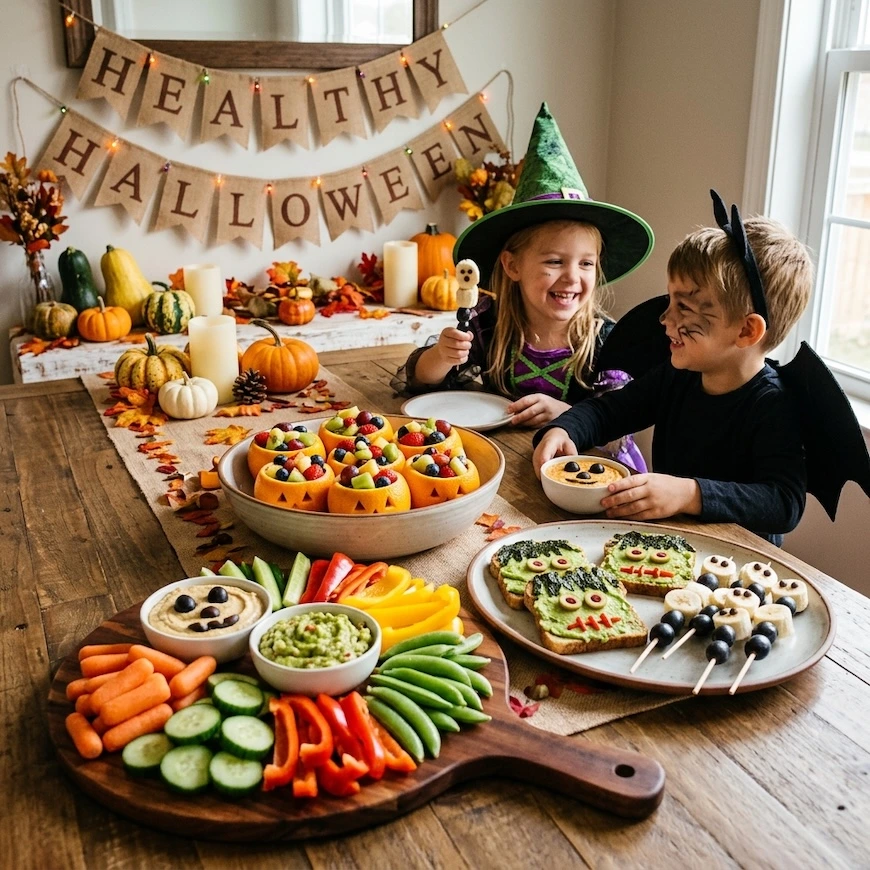
Halloween puts a pressure on parents that most holidays don’t. An entire evening, plus the week after, is built around a food most wellness writing treats as the enemy. That tension is where a lot of healthy Halloween advice falls apart, either by pretending candy doesn’t belong in the picture or by loading kids up with fruit-leather treat bags nobody wants.
This healthy Halloween guide takes a different angle. A few better treat options for your own table, some non-candy ideas that don’t feel like a consolation prize, and an honest plan for the leftovers, which is usually where the real stress lives.
Why a Healthy Halloween Doesn’t Have to Be All or Nothing
Quick Answer: Treating Halloween as one night of allowed indulgence, rather than a slippery slope needing damage control, is less stressful and better supported by the research. One night of candy doesn’t meaningfully affect a child’s health. The stress of policing it usually disrupts daily life more than the candy does.
Two approaches dominate healthy Halloween content, and both backfire. One treats the night as a health emergency requiring a reworked, candy-free evening. The other skips moderation and lets Halloween spiral into a three-week free-for-all out of guilt over having said no to anything.
The research points somewhere in between. Controlling or restrictive feeding doesn’t reliably reduce how much of a forbidden food a child eats. It tends to interfere with their ability to read their own hunger and fullness, and it can raise their preference for whatever is being restricted, according to Birch and Fisher’s 1998 review in Pediatrics.
So Halloween itself isn’t the risk. Tight, anxious control around food is more likely to cause trouble long-term than one night of trick-or-treating ever will. That’s the premise a healthy Halloween approach should start from.
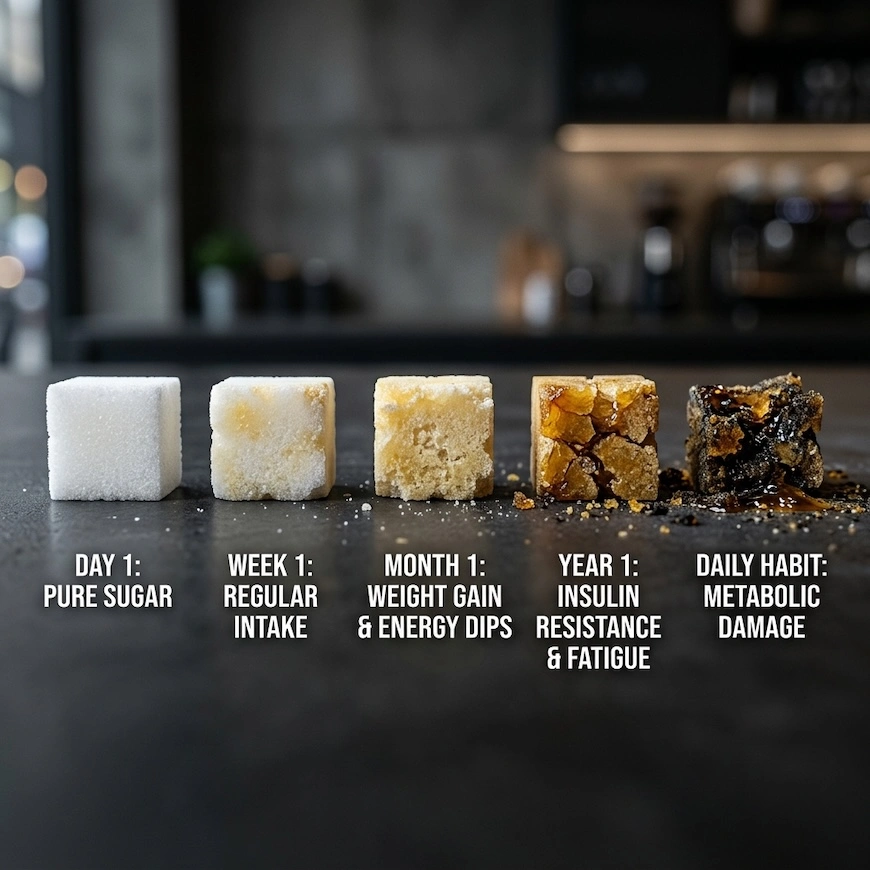
For context: the American Heart Association’s 2017 statement on added sugars in children suggests capping added sugars at about 25 grams a day. That number describes habitual intake, not a single holiday. Trick-or-treating isn’t what pushes a child’s average over the line. Everyday sugary drinks are.