For years my energy strategy was caffeine and willpower. Coffee at 7am. Another at 10am. A third, slightly desperate one at 2pm. By 4pm I was jittery, exhausted, or somehow both at once. I told myself this was just what busy adulthood felt like.
It isn’t.
Real energy doesn’t come from a mug. It comes from what you eat across the whole day. Once I started paying attention to which foods for energy actually delivered steady fuel and which ones sent me into the 3pm crash zone, the difference was obvious within about a week. Less coffee. Better focus. No afternoon wall.
This isn’t an anti-coffee article. Coffee is fine. But coffee is a stimulant, and a stimulant borrows energy you’ll pay back later. The foods for energy below work the other way around: they give your body the raw materials to produce steady fuel on its own.
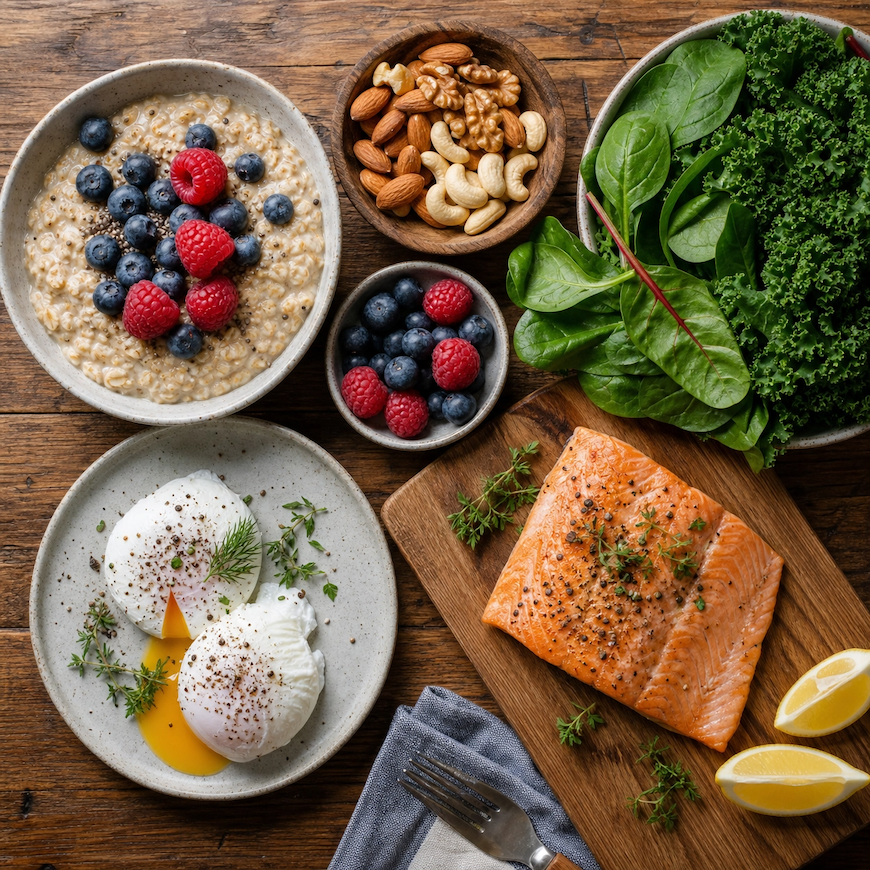
Here are the 12 foods for energy worth building your week around, and how I actually use them.
Why coffee alone won’t fix your energy
A quick honest note on caffeine before we get into the food. Coffee doesn’t create energy. It blocks adenosine, the brain chemical that signals tiredness, so you don’t feel how tired you are. The energy you feel is already in you. When the caffeine wears off, the adenosine floods back, often harder than before. That’s your afternoon crash.
The foods for energy below work on a different mechanism. They give your cells the substrates they need to actually generate energy at the mitochondrial level. You don’t feel “energized” the way caffeine makes you feel. You just stop feeling drained.
That’s the goal.
Related: 7 reasons you’re always tired (and how to fix them)
What actually makes a food give you energy
Three things separate a food that gives you sustained energy from one that puts you on the blood sugar rollercoaster.
Slow-release carbohydrates. Your brain and muscles run primarily on glucose. The question isn’t whether to eat carbs. It’s whether your carbs release steadily or hit you all at once. Complex carbs with fibre release slowly. Refined carbs don’t.
Adequate protein. Protein slows the absorption of carbohydrates, prevents blood sugar spikes, and supplies the amino acids your body needs to make the neurotransmitters that regulate alertness.
Key micronutrients. Iron, magnesium, B vitamins, and omega-3 fatty acids are essential for the biochemical pathways that turn food into ATP, which is the energy your cells actually use. Without enough of these, you can eat plenty of calories and still feel wrecked. That’s a big part of why the best foods for energy are nutrient-dense, not just calorie-dense.
Most of the 12 foods below check all three boxes. None check fewer than two.
1. Oats: the original slow-release carb
Oats are one of the most reliable foods for energy because they release glucose into your bloodstream slowly. The fibre in oats, particularly beta-glucan, slows digestion enough to give you several hours of stable fuel from a single bowl.
Steel-cut and rolled oats are far better than instant. Instant oatmeal is processed enough that your body absorbs it nearly as fast as refined cereal, which defeats the point.
My default: overnight oats with Greek yogurt, berries, and a tablespoon of nut butter. Slow carbs, protein, and a bit of fat in one bowl.
2. Eggs: the most complete breakfast for sustained energy
Eggs are almost the perfect morning fuel. Two of them give you about 12 grams of high-quality protein, vitamin B12 (needed to convert food into energy), choline (for brain function), and fat that keeps you full.
Research consistently shows that high-protein breakfasts reduce mid-morning cravings and keep energy levels steadier for hours longer than carb-heavy ones. Eggs are also among the cheapest and easiest foods for energy on this list to keep on hand. A dozen eggs covers a week of breakfasts for under $5.
I scramble them with spinach. Or hard-boil six on a Sunday for the week.
3. Bananas: the fairest pre-workout there is
Bananas have a reputation as a sugar bomb. They shouldn’t. A medium banana gives you natural carbohydrates, potassium (which prevents muscle fatigue), and vitamin B6, which is involved in over 100 enzymatic reactions, many of them tied to energy metabolism.
Athletes have eaten bananas for decades because they deliver fast-but-not-spiky energy. Paired with a protein source they’re one of the most practical pre-workout snacks you can grab.
Banana plus a tablespoon of almond butter. That’s the entire recipe. Hard to beat.
4. Avocado: steady fuel from healthy fats
Fat gets a bad reputation in the energy conversation. The truth is the opposite. Healthy fats are some of the most sustained fuel your body can produce, and avocados give you monounsaturated fats, fibre, potassium, and B vitamins in one package.
What makes avocado interesting and be one the foods for energy is what it does to whatever you eat with it. Add it to a salad, your toast, or your eggs and it slows the digestion of the whole meal. You’re fuelled for hours instead of 90 minutes.
I default to avocado on whole-grain toast with a poached egg and chilli flakes. Sliced into salads. Mashed onto wraps with hummus. It works almost anywhere.
5. Sweet potatoes: complex carbs done right
Sweet potatoes are one of the most nutritionally dense foods for energy you can eat. Complex carbohydrates that release glucose slowly, plus beta-carotene, vitamin C, manganese, and B6. All of those play a role in cellular energy production.
The fibre means they fill you up without spiking your blood sugar, which is why they’re a staple in almost every serious athlete’s nutrition plan.
Roast a tray on Sunday and you have a base for the week: in grain bowls, alongside eggs, or just as a snack with salt and olive oil. Honestly, roasted sweet potato cubes next to scrambled eggs is one of my favourite breakfasts, and I almost never see anyone else do it.
6. Salmon: the omega-3s your brain actually notices
Salmon gives you two things in abundance that matter for energy: high-quality protein and omega-3 fatty acids. The omega-3s (particularly EPA and DHA) are essential for brain function, mood regulation, and reducing inflammation. Research from Harvard has consistently linked omega-3s to better mood and cognitive performance, both of which directly affect how energetic you feel.
It’s also rich in B12 and selenium, two nutrients tied closely to the pathways that convert food into usable energy.
Wild-caught when I can afford it. Baked with lemon and herbs takes about 12 minutes. And don’t overlook tinned salmon. It’s sustainable, cheap, and you can flake it onto a salad or into pasta with olive oil and lemon for a five-minute lunch.
7. Spinach and leafy greens: the iron and magnesium story
If you feel tired all the time, leafy greens are non-negotiable. Spinach, kale, swiss chard, and other dark greens are some of the best dietary sources of iron and magnesium, two nutrients deeply involved in energy production and oxygen transport.
Iron deficiency is one of the most common causes of unexplained fatigue, particularly in women. Even sub-clinical low iron (not full anemia) is enough to leave you exhausted.
Leafy greens are quiet performers. You don’t feel a buzz after eating spinach, the way you might after coffee. But three weeks of getting greens into at least one meal a day, and you’ll notice your baseline lift. I genuinely didn’t believe this until I tracked it.
A handful into eggs, smoothies, pasta, soup, whatever. One meal a day, minimum.
8. Nuts and seeds: concentrated, portable energy
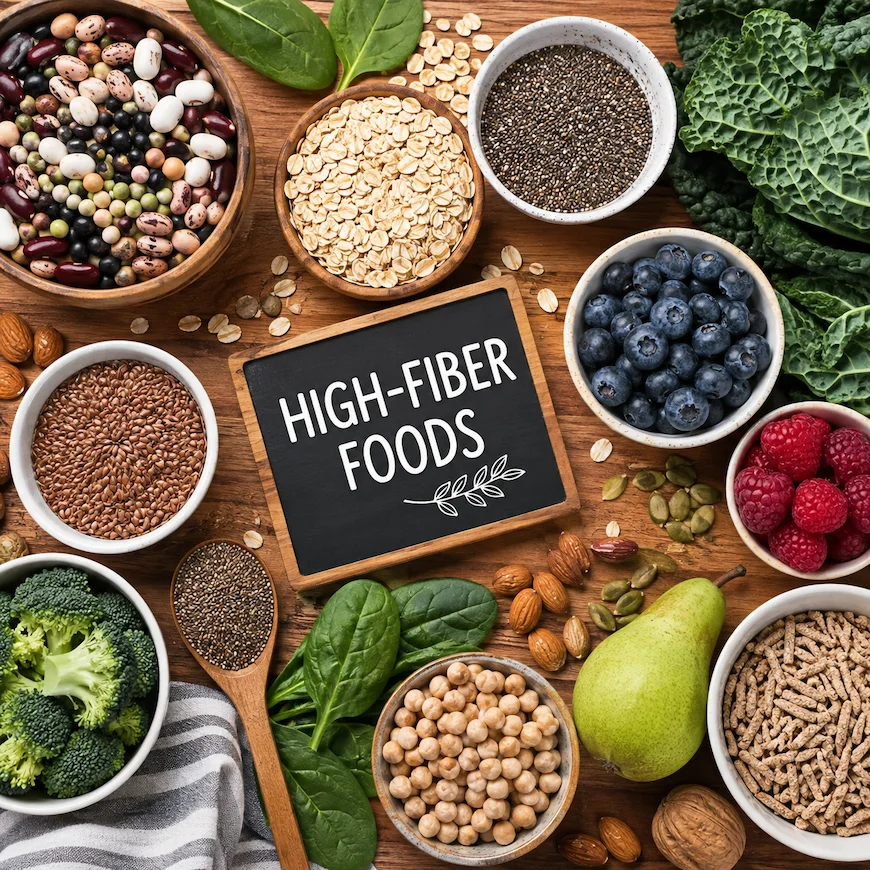
Almonds, walnuts, pumpkin seeds, sunflower seeds, chia seeds. All dense foods for energy in the small-portion category. They give you healthy fats, plant protein, magnesium, zinc, and B vitamins in a form that survives in your bag all day.
Pumpkin seeds are the underrated one. They’re one of the best dietary sources of magnesium, which most adults in Western diets are short on, and which directly affects both energy levels and sleep quality.
Around 30g as a snack, mid-morning or afternoon. Pumpkin seeds get sprinkled on yogurt and salads. Chia seeds go into overnight oats.
9. Greek yogurt: protein that travels well
Plain Greek yogurt is one of the highest-protein foods for energy options you can buy off a regular supermarket shelf. A cup contains 17 to 20 grams of protein, plus calcium, B12, and probiotics that support gut health, which the research increasingly links to mood and energy via the gut-brain axis.
The word that matters here is plain. Flavoured Greek yogurt often contains as much sugar as ice cream, which turns a steady-energy food into a sugar crash in a tub. Add your own fruit and honey if you want it sweet.
I eat it as a breakfast base with berries and nuts, as an afternoon snack with cinnamon, and as a swap for sour cream in savory dishes.
10. Quinoa: the complete-protein grain
Quinoa is unusual among grains in that it contains all nine essential amino acids. That makes it a complete protein, which is rare for plant foods. It also gives you fibre, magnesium, iron, B vitamins, and manganese.
Among grains, quinoa stands out because it fuels you without the heavy, sluggish feeling that white rice or pasta can leave behind. It works for breakfast, lunch, or dinner, which is why I always have a batch cooked in the fridge.
Big batch on Sunday, then grain bowls all week. Or stir a few spoonfuls into soup for extra substance.
11. Berries: steady carbs with a brain bonus
Blueberries, strawberries, raspberries, blackberries. The best fruit-based foods for energy because they give you carbohydrates with enough fibre and antioxidants to keep blood sugar steady.
Blueberries in particular have been studied extensively for their effects on cognitive performance. The anthocyanins (the pigments that make them blue) are associated with better focus, memory, and overall brain function.
A quick note worth knowing: frozen berries are nutritionally identical to fresh and roughly half the price. I haven’t bought fresh blueberries in years. Into smoothies, oats, or yogurt. A handful as a snack is also one of the easiest things you can do for your afternoon energy.
12. Dark chocolate, yes really
A small amount of high-quality dark chocolate (70% cacao or higher) is genuinely one of the better afternoon foods for energy snacks on this list. It contains iron, magnesium, and small amounts of caffeine and theobromine, a milder, gentler stimulant that won’t crash you the way coffee does.
It also contains flavonoids, which have been shown to support cognitive function and circulation. Portion matters: 20 to 30 grams (about two squares) is the sweet spot. More than that and the sugar starts to outweigh the benefits.
A couple of squares with a few almonds at 3pm has replaced most of my afternoon coffees. I genuinely don’t miss the espresso.
How to combine these foods through the day
Knowing the foods for energy is one thing. Building them into your day is what actually moves the needle. Here’s a template I use. Not a rule, just a shape to adapt.
Breakfast (protein, slow carbs, fat): overnight oats with Greek yogurt, berries, and almond butter. Or scrambled eggs with spinach and avocado on toast.
Mid-morning snack: a handful of almonds or pumpkin seeds. Add a banana if you trained that morning.
Lunch (protein, leafy greens, complex carbs): a grain bowl with quinoa, roasted sweet potato, greens, tinned salmon or grilled chicken, olive oil. Or a big salad with eggs, avocado, and seeds.
Mid-afternoon snack: Greek yogurt with berries. Or dark chocolate with almonds.
Dinner (protein, vegetables, moderate carbs): baked salmon with sweet potato and greens. Or a quinoa bowl with roasted vegetables and chicken.
This kind of structure, built around real foods for energy instead of around convenience, naturally kills the blood sugar swings that cause your afternoon crash. Most people who switch over feel steadier within a week or two.
Related: How to build a healthy routine you’ll actually stick to
What to avoid if you want steady energy
Just as important as what to eat: what to limit. The foods most likely to drain you:
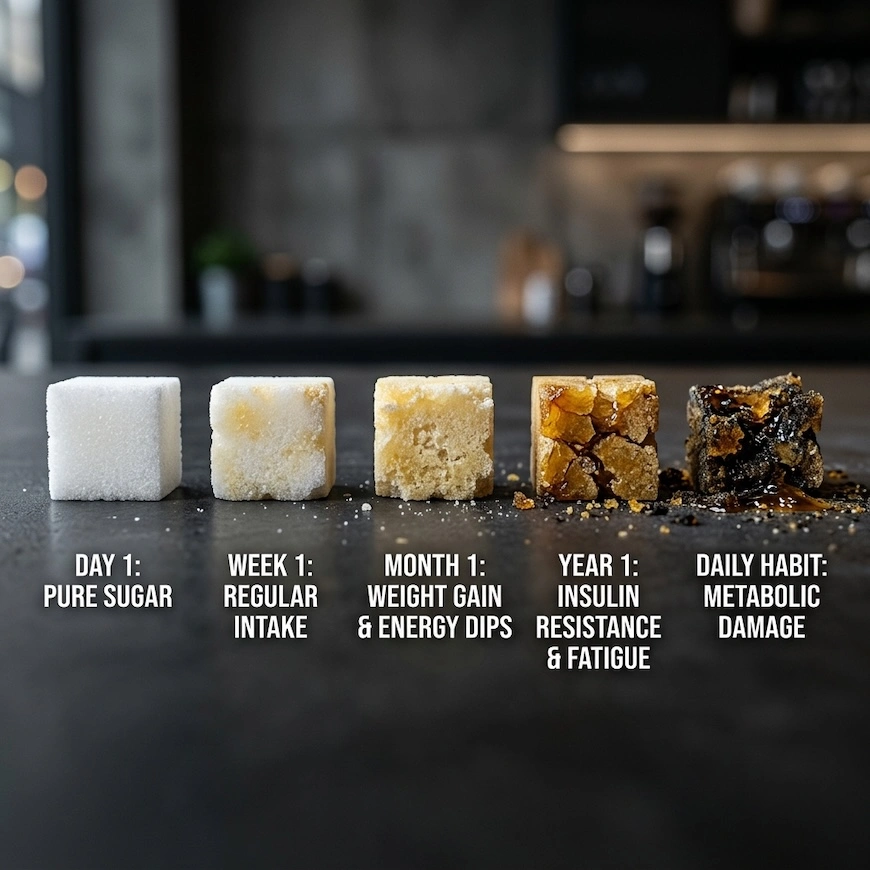
- Refined sugar and sugary drinks. The sharpest spike-crash combo there is.
- White bread, pasta, and pastries. Fast carbs with no protein to slow them down.
- Processed snacks. Usually refined carbs plus inflammatory seed oils.
- Excessive caffeine after midday. Wrecks your sleep, which wrecks the next day.
- Alcohol. Even one drink reduces deep sleep quality. You’ll feel it tomorrow.
You don’t need to eliminate any of these completely. But start noticing the link between what you ate and how you feel two hours later. That awareness is where the whole thing actually starts.
Frequently asked questions
Can I get sustained energy without eating breakfast?
Yes. Intermittent fasting works well for some people. If you skip breakfast, your first meal becomes critical, so anchor it in protein, healthy fat, and fibre.
Are bananas really good for energy, or are they too sugary?
Good for energy when paired with protein or fat. Eaten alone they cause a faster glucose rise, but combined with almond butter or yogurt they release energy steadily. Don't fear the banana.
How quickly will I notice a difference?
Most people feel a difference within 5 to 7 days, especially if they also cut refined sugar and white carbs. Bigger changes in baseline energy show up within 3 to 4 weeks.
Do I have to give up coffee?
No. Coffee in moderation (1 to 2 cups, before noon) is fine for most people. The shift these foods create is that you stop needing caffeine to function. It becomes a choice, not a survival strategy.
The takeaway
You can drink coffee and still feel exhausted. You can skip coffee and feel great. The variable isn’t the caffeine. It’s whether your body is being given the raw materials it needs to produce real, sustained energy.
The 12 foods for energy on this list are the foundation: eggs, oats, salmon, leafy greens, quinoa, berries, nuts, seeds, avocado, sweet potato, Greek yogurt, dark chocolate. Build your meals around them. Not all at once, just one meal at a time. Two weeks in, the change you feel will be harder to argue with than any cup of coffee ever was.
All content on LifestyleMine is for informational and educational purposes only. It is not a substitute for advice from a qualified healthcare provider.

Mimo Karam is the founder and writer at LifestyleMine. She writes about daily habits, nutrition, sleep, and emotional wellness, turning research into practical advice for people who want to live healthier without making it complicated.