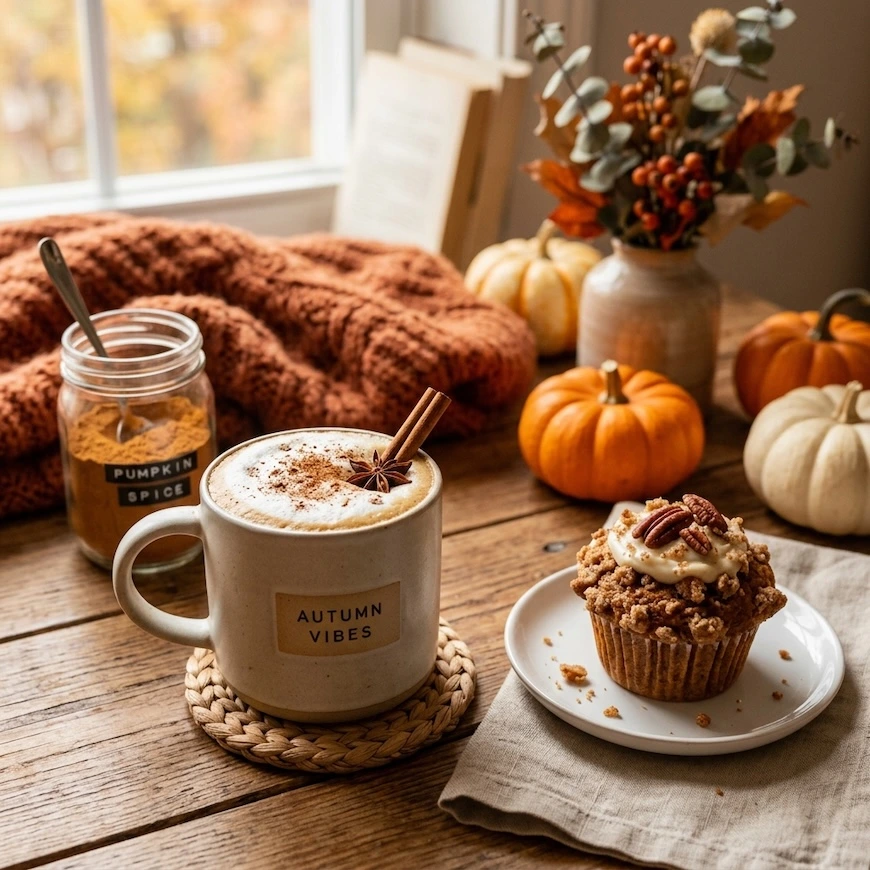
Quick Answer: It depends entirely on the format. Real pumpkin is nutritious, rich in beta-carotene, fiber, and potassium. A traditional pumpkin spice latte gets most of its calories and sugar from milk and syrup, not from pumpkin, and often contains little or no actual pumpkin. The 2026 shift toward real-pumpkin, high-protein pumpkin spice products is closing that gap for the first time in the flavor’s history.
Every fall, the flavor gets treated as either the most beloved thing in food or a punchline for empty calories. Both reputations miss the more interesting story. The squash behind the flavor is one of the more nutritious fall foods available, and it has historically been the least present ingredient in most pumpkin spice products.
That’s changing. Pumpkin spice products in 2026 are increasingly built around real pumpkin and real protein rather than a spice blend and a caramel-colored syrup. This guide covers what’s in the traditional version, what pumpkin itself brings nutritionally, and how to get more of the real thing without giving up the flavor everyone actually wants in October.
What’s Actually in a Pumpkin Spice Latte
Quick Answer: A traditional pumpkin spice latte’s calories and sugar come almost entirely from steamed milk and flavored syrup, not from pumpkin. Many pumpkin spice syrups historically contained no pumpkin at all, just a blend of cinnamon, nutmeg, clove, and ginger designed to evoke the flavor. The “pumpkin spice is unhealthy” reputation is really a syrup-and-milk reputation that got attached to a nutritious vegetable by association.
This distinction sits at the root of most confusion about whether pumpkin spice is healthy. The squash isn’t the problem. The delivery system built around it has been.
A standard large from a typical coffee chain runs somewhere between 350 and 430 calories with 45 to 55 grams of sugar, depending on size and milk. Almost all of that comes from syrup and dairy. For years the syrup itself often contained caramel coloring and a flavor blend formulated to taste like pumpkin without containing any.
That has started to shift. Demand for “real pumpkin” labeling has pushed both coffee chains and packaged food companies to include actual puree rather than relying on flavoring alone. It’s a verifiable difference: check the ingredient list for “pumpkin puree” or “pumpkin,” not just “natural flavors.”
Real Pumpkin Nutrition: Fiber, Beta-Carotene, and What the Research Shows
Quick Answer: Pumpkin itself is nutritionally strong. It’s one of the richest dietary sources of beta-carotene, which converts to vitamin A in the body, and it provides meaningful fiber and potassium at roughly 50 calories per cup of cooked, cubed pumpkin. Research confirms beta-carotene as the dominant carotenoid in most pumpkin species.
Set aside anything flavored or processed. Plain pumpkin is worth taking seriously as a fall staple in its own right.
Beta-carotene and vitamin A. A 2023 review of pumpkin’s carotenoid profile found that beta-carotene is the major carotenoid in most pumpkin species, alongside alpha-carotene, lutein, and zeaxanthin. Exact totals vary quite a bit by species, cultivar, growing conditions, and which part of the plant you’re measuring, so treat any single number with some caution. See Ninčević Grassino and colleagues in Molecules, 2023. Beta-carotene converts to vitamin A, which supports immune function and vision, and pumpkin’s orange color is a direct visual signal of that density.
Fiber and other nutrients. A broader review of pumpkin’s nutritional and phytochemical profile found the flesh, seed, and peel to be meaningful sources of fiber, carotenoids, tocopherols, tryptophan, and unsaturated fatty acids, per Batool and colleagues in Plants, 2022. Fiber supports satiety and digestive regularity, and pumpkin delivers roughly 3g of it per cup at about 50 calories.
Low calorie density. That combination, real fiber and micronutrient content at a low calorie cost, is what makes pumpkin a strong choice for fall cooking whether or not a latte is involved. The carotenoids also put it in the same broad category as the anti-inflammatory foods worth eating regularly, though the evidence there is about dietary patterns rather than any single vegetable.
The 2026 Shift Toward High-Protein Pumpkin Spice Products
Quick Answer: Pumpkin spice protein products are a new and growing category in 2026: cottage cheese with real pumpkin and 15g of protein per serving, pumpkin seed protein bars, and protein-forward oatmeal cups. This matters because it addresses the actual nutritional gap in most pumpkin spice products, which has always been protein rather than pumpkin content.
This is a current shift in the market, not a projection. Brands are launching organic, lower-sugar, and higher-protein pumpkin spice products this fall, explicitly marketed around real pumpkin as a differentiator from the syrup-based products that have run the category for years.
What’s worth looking for:
- Cottage cheese. Several brands now make versions with real puree and autumn spices, delivering 12 to 15g of protein per serving alongside actual pumpkin. A different nutritional profile than a latte or a muffin.
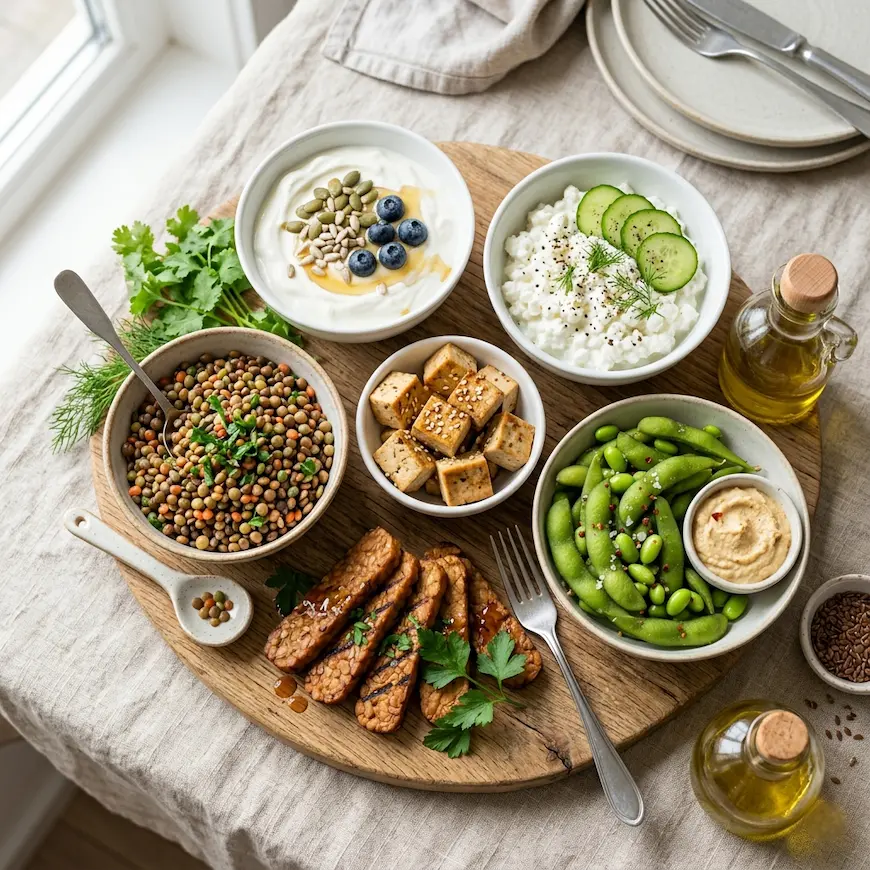
- Pumpkin protein bars. The better ones use pumpkin seed protein rather than only whey or soy, and carry meaningful fiber. Pumpkin seed protein also shows up on most lists of high-protein vegetarian foods, which is part of why it’s turning up in this category.
- Protein-forward pumpkin oatmeal. Real puree plus a protein boost, usually powder or a Greek yogurt swirl, for a more balanced breakfast than a plain muffin.
- Collagen creamers. A smaller but growing corner of the pumpkin spice aisle. Worth noting the protein here is collagen, which isn’t a complete protein, so it doesn’t replace a proper protein source. More on that in our guide to collagen benefits.
What connects all of these is pairing pumpkin’s existing strengths, fiber and beta-carotene, with the protein that traditional pumpkin spice products have always lacked.
Healthy Pumpkin Spice Recipes That Don’t Taste “Healthy”
Quick Answer: The best healthy pumpkin spice recipes use real puree as a flavor and texture ingredient, not a health-halo add-in, paired generously with the warm spice blend most people are actually craving when they say pumpkin spice. Recipes that lean hard on the spices taste more authentic than ones relying on puree alone.
A common mistake in this genre is under-seasoning in an attempt to be virtuous, which produces something closer to plain squash. The spice blend has essentially no calories or sugar, so there’s no reason to hold back.
A few approaches that deliver the flavor without the syrup baseline:
- Homemade pumpkin spice latte. A tablespoon or two of real puree, the full spice blend, a sweetener of your choice, and steamed milk. No commercial syrup needed.
- Pumpkin spice overnight oats. Puree stirred into oats with milk, the spice blend, and a protein boost from Greek yogurt or powder, set overnight.
- Energy bites. Puree, oats, nut butter, and spices. No baking, and portable.
- A smoothie. Puree, milk, a banana or a couple of dates for sweetness, the spice blend, and a scoop of protein powder.
The pattern is consistent: real puree plus a generous spice blend, with the sugar coming from a controlled ingredient rather than a syrup pump.
Pumpkin Spice Cottage Cheese and Other Protein-Forward Fall Snacks
Quick Answer: Pumpkin spice cottage cheese deserves its own mention. It pairs cottage cheese’s naturally high protein, typically 12 to 15g per half cup, with real puree and warm spices, producing a high-protein snack rather than a dessert-adjacent one. It’s the clearest example of the 2026 shift toward substantive pumpkin spice products.
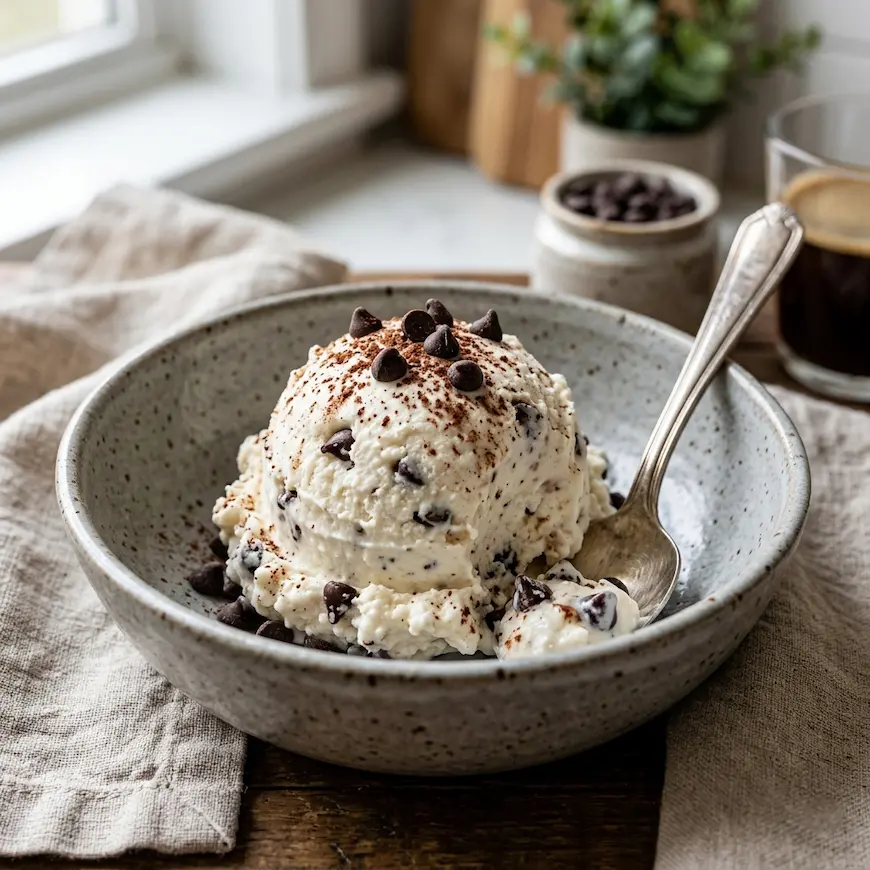
Cottage cheese has had its own resurgence as a high-protein staple over the past few years, and the pairing works rather than reading as a forced mashup. The mild, slightly tangy base holds up against warm fall spices the same way it does in cottage cheese ice cream and other sweet applications.
Making it at home is straightforward and cheaper than buying it: cottage cheese, a spoonful of puree, the spice blend, and a drizzle of honey or maple syrup, blended smooth if you want a creamier texture. It comes close to the store-bought versions for a fraction of the cost.
Other protein-forward fall snacks built the same way: Greek yogurt with puree and spice, a pumpkin spice protein shake, or puree stirred into high-protein oatmeal.
How to Make Your Own Pumpkin Spice Blend at Home
Quick Answer: A homemade pumpkin pie spice blend of cinnamon, nutmeg, ginger, clove, and often allspice contains no sugar at all. Sugar only enters a pumpkin spice product through whatever the blend gets added to: syrup, sweetened milk, baked goods. Mixing a batch at home is cheap, keeps for months, and gives full control over how much sweetener ends up in the final thing.
The spice blend is worth separating conceptually from the sugar that usually accompanies it, since the two get conflated constantly in “is pumpkin spice healthy” arguments.
A basic blend: 3 parts ground cinnamon, 2 parts ground ginger, 2 parts ground nutmeg, 1 part ground cloves, and 1 part allspice if you want it. Mixed and stored airtight, it keeps for several months and goes into coffee, oatmeal, smoothies, or baking with zero added sugar. That leaves the sweetener, or the absence of one, as a separate decision.
Cinnamon and ginger both carry their own modest research bases, which is a small bonus rather than the point. The spice blend is worth making because it tastes good and costs almost nothing.
Pumpkin Seeds: The Most Overlooked Part of the Pumpkin
Quick Answer: Pumpkin seeds, or pepitas, are an underused nutritional resource, which matters every fall given how many pumpkins get carved and discarded. Compositional analysis confirms meaningful mineral content, including magnesium and zinc, alongside protein and unsaturated fats, making roasted seeds one of the most nutrient-dense parts of the whole pumpkin.
Every carved jack-o’-lantern is a small missed opportunity. The seeds scooped out and thrown away are significant on their own, separate from the flesh most recipes focus on.
A detailed analysis of pumpkin seeds collected in Niger found them to be 58.8% protein and 29.8% fat on a dry weight basis, with useful amounts of potassium, magnesium, zinc, manganese, and selenium, though low calcium and iron. See Glew and colleagues in Plant Foods for Human Nutrition, 2006. Worth flagging that the same paper found the lysine score of that protein was only 65% against the FAO/WHO standard, so pumpkin seed protein is useful but not complete on its own. Zinc supports immune function, which is a convenient thing to have going into cold season.
Roasting them is simple. Rinse off the pulp, pat dry, toss with a little oil and salt (or the homemade spice blend from the previous section for a sweet-spiced version), and roast at 300°F for 20 to 25 minutes until golden and crisp. A free byproduct of any carving or cooking project.
Pumpkin in Savory Cooking, Beyond the Sweet Stuff
Quick Answer: Pumpkin’s nutritional strengths, fiber and beta-carotene at a low calorie cost, apply equally to savory cooking, which sidesteps the added-sugar question entirely. Soup, roasted pumpkin as a side, and pumpkin folded into grain bowls all deliver the same core nutrition as any sweet pumpkin spice application, with no sugar decision to make.
Nearly all writing on this topic, healthy or otherwise, focuses on the sweet applications, which obscures how versatile the vegetable actually is.
A few savory directions worth a spot in a fall rotation:
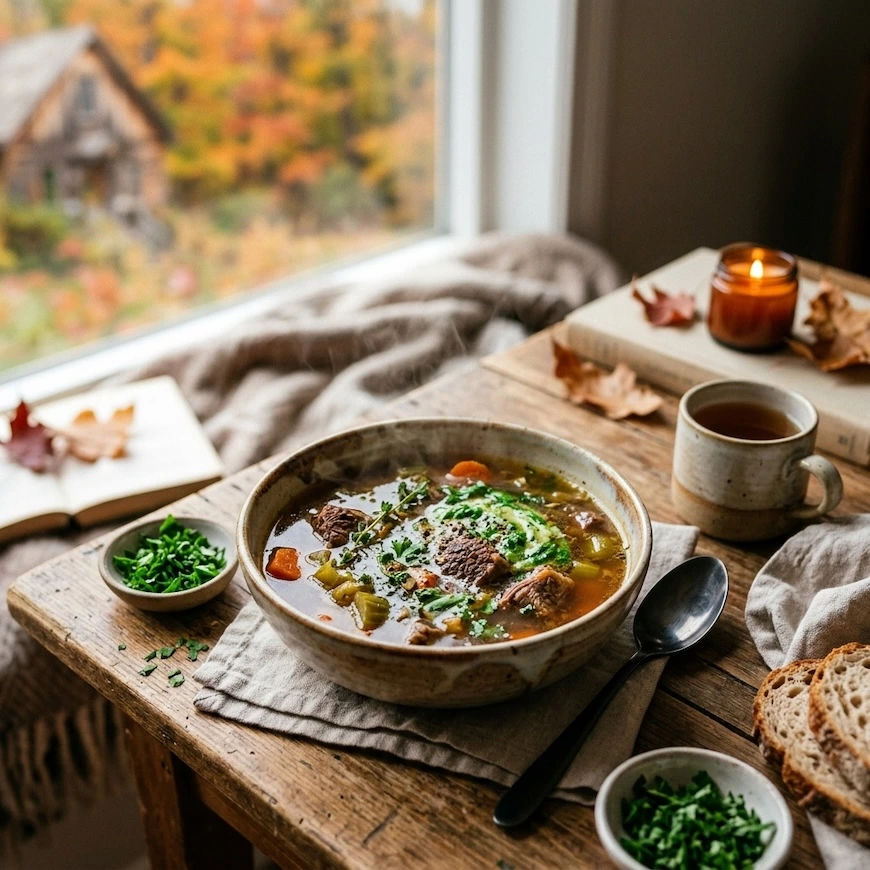
- Roasted pumpkin soup. Pumpkin, broth, onion, and a light seasoning of nutmeg or curry spices. No sugar required.
- Roasted pumpkin cubes. Olive oil, salt, pepper, treated like any other roasted fall vegetable.
- Pumpkin in a savory grain bowl or risotto. Adds creaminess and beta-carotene to something with no connection to the sweet category at all.
This isn’t a replacement for the sweet applications most people want in the fall. It’s a reminder that pumpkin’s nutritional value doesn’t depend on the spiced format.
A Realistic Take on Pumpkin Spice Season
Quick Answer: The realistic answer to whether pumpkin spice is healthy: enjoy the traditional syrup-based version occasionally as the treat it is, lean on the growing category of real-pumpkin, higher-protein products for regular eating, and don’t feel obligated to give the flavor up. Pumpkin is a nutritious food. The unhealthy reputation belongs to specific delivery formats, not the ingredient.
A simple approach for the season:
- The traditional latte, muffin, or pastry. Fine as an occasional seasonal treat. No need to eliminate it or feel bad about it.
- For regular eating. Lean on real-pumpkin, protein-forward products and homemade recipes using actual puree rather than making a syrup-based drink a daily habit.
- Homemade versions. These give the most control: real pumpkin, a generous spice blend, and a sweetener level that’s a decision rather than a default.
Pumpkin spice also sits inside the broader functional-beverage trend, where warm seasonal drinks get marketed on health claims. Some of those claims hold up better than others, which we’ve covered in our ranking of gut health drinks.
None of this requires eliminating pumpkin spice season or rebuilding it into something unrecognizable. It’s mostly about knowing which parts of the flavor are actually pumpkin.
Frequently Asked Questions
Can I make a healthy pumpkin spice latte at home?
Yes. Real puree, the spice blend, milk of your choice, and a controlled amount of sweetener gets you close to the commercial version without the syrup base.
Is pumpkin good for you nutritionally?
Yes. It's a strong source of beta-carotene, which converts to vitamin A, provides meaningful fiber and potassium, and is low in calories relative to its nutrient density.
What’s the difference between pumpkin puree and pumpkin pie filling?
Puree is cooked, pureed pumpkin with nothing added. Pie filling already contains sugar and spices. Recipes aiming for a lower-sugar result should specify puree.
Are pumpkin spice protein products actually worth it?
Generally yes, if the protein content and real-pumpkin labeling check out on the nutrition panel. It's a new and improving category in 2026, worth choosing over the sugar-and-syrup versions when it's an option.
Can I use canned pumpkin the same as fresh?
Yes. Plain canned puree, checking that it's puree and not pie filling, is nutritionally comparable to fresh cooked pumpkin and far more convenient for most home cooking.

Mimo Karam is the founder and writer at LifestyleMine. She writes about daily habits, nutrition, sleep, and emotional wellness, turning research into practical advice for people who want to live healthier without making it complicated.