✦
THE LIFESTYLEMINE NEWSLETTER
Simple wellness tips, healthy recipes, and
everyday inspiration delivered to your inbox.
Your Email Address
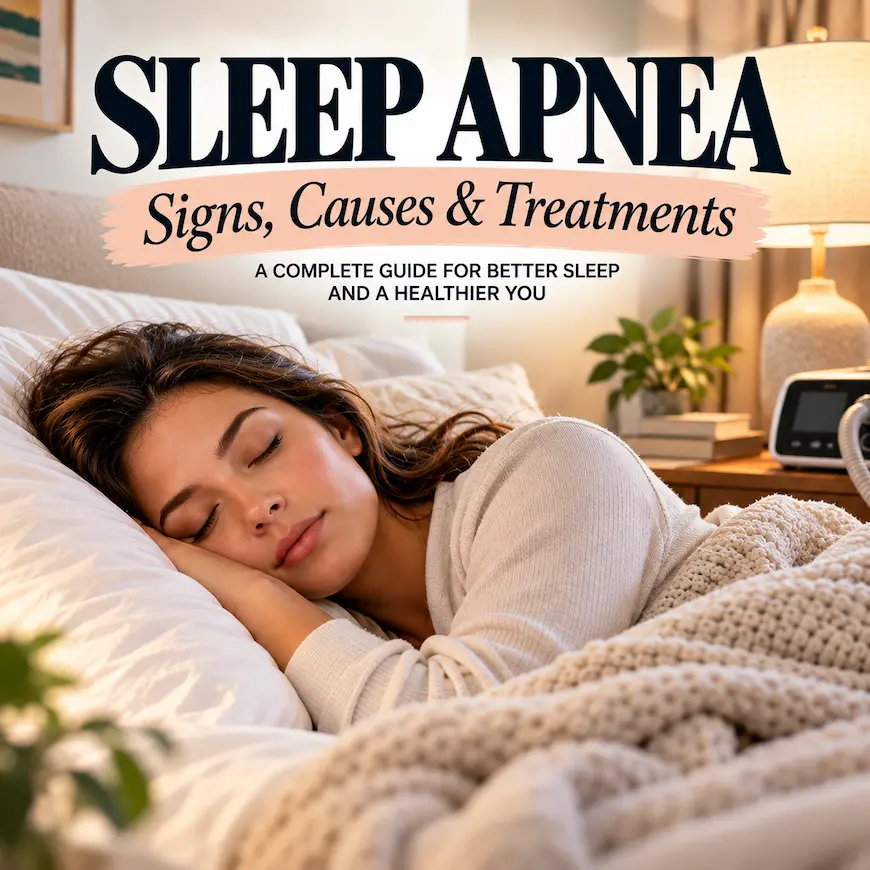
Sleep apnea causes breathing to repeatedly stop and restart while you are asleep. There are different forms of the condition, but the most common is obstructive sleep apnea (OSA). With obstructive sleep apnea, the muscles and soft tissues around the throat relax during sleep and the upper airway becomes narrowed or blocked. Airflow can decrease or temporarily stop. Your brain responds to the breathing disruption by briefly waking you enough to reopen the airway.
These awakenings may be so short that you don’t remember them the next morning. But when they happen repeatedly, they can interfere with restorative sleep and contribute to daytime symptoms such as fatigue and sleepiness. According to the National Heart, Lung, and Blood Institute , sleep apnea can also prevent the body from getting enough oxygen during sleep.
When people picture sleep apnea, they often imagine extremely loud snoring followed by dramatic pauses in breathing. That can happen. But women may experience a less obvious collection of symptoms. The NHLBI specifically reports that women with sleep apnea more often experience:
anxiety
daytime sleepiness
depression
morning headaches
insomnia
tiredness
frequent waking during sleep
Women may therefore initially interpret their symptoms as stress, hormonal changes, poor sleep, or simply being overworked. And although snoring is an important warning sign, not everyone with sleep apnea snores. This is one reason persistent unexplained sleep problems deserve attention even when loud snoring isn’t part of the picture.
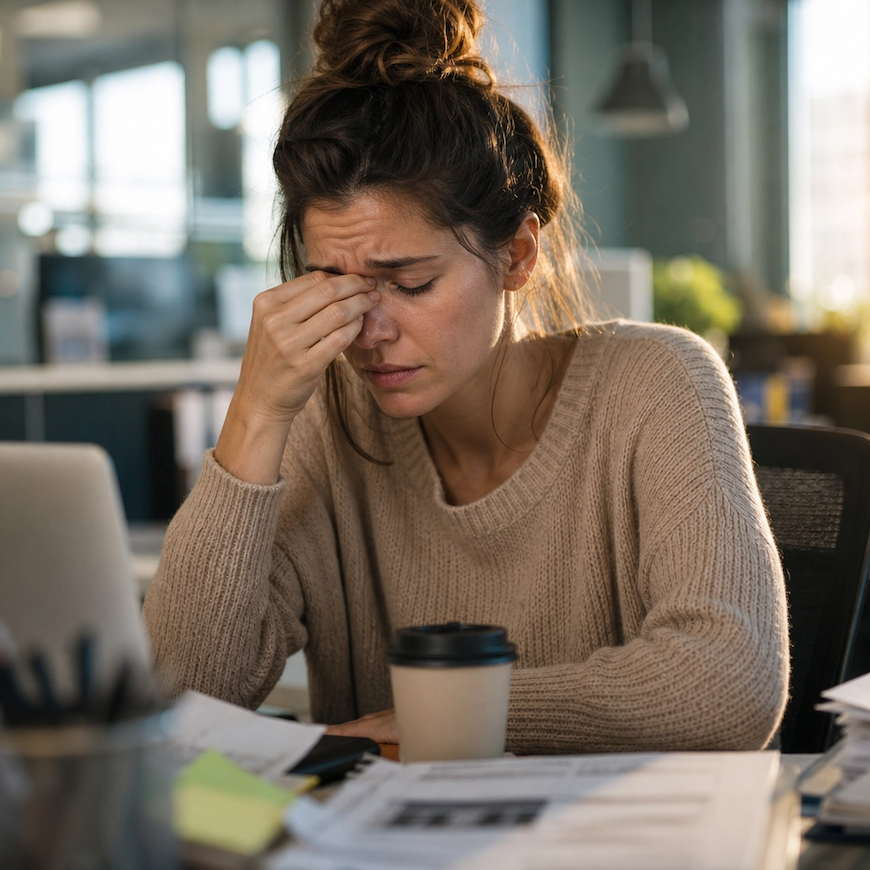
One of the easiest symptoms to dismiss is simply feeling tired. Sleep apnea can repeatedly interrupt normal sleep, meaning you may spend plenty of time in bed without getting the restorative sleep your body needs. You might notice that:
you wake up exhausted
your energy crashes during the afternoon
you depend heavily on caffeine
ordinary activities feel unusually draining
sleeping longer doesn’t seem to solve the problem
Fatigue is particularly important in women because the NHLBI identifies it as a symptom reported more commonly by women with sleep apnea. Of course, fatigue is extremely nonspecific. Iron deficiency, thyroid disorders, medications, insufficient sleep, depression, and many other conditions can cause similar symptoms. If tiredness is becoming your normal, don’t automatically assume you simply need more coffee or an earlier bedtime. You may also want to read our guide to why you’re always tired and simple ways to improve your energy .
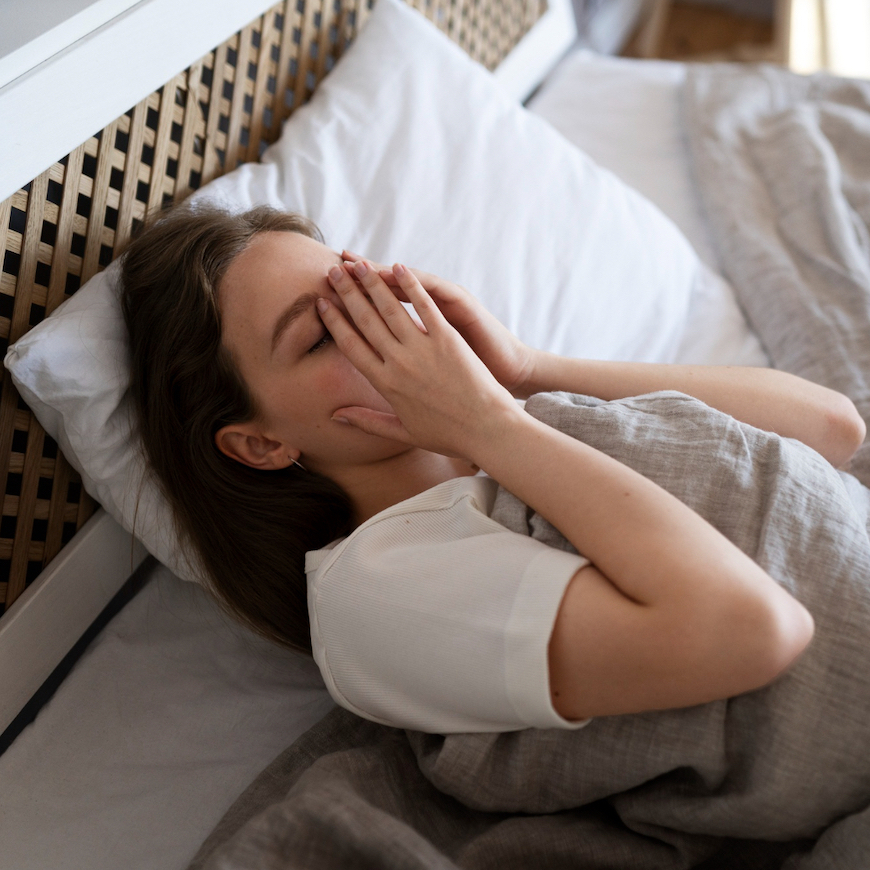
Sleep apnea and insomnia can appear to be complete opposites. One involves breathing problems while you’re sleeping. The other involves difficulty sleeping. But they can coexist. Women with sleep apnea may report difficulty staying asleep or repeated awakenings rather than immediately recognizing breathing-related symptoms. The NHLBI specifically lists insomnia among symptoms that occur more often in women.
You may:
struggle to fall asleep
wake repeatedly
have trouble falling back asleep
feel that your sleep is unusually light
wake much earlier than intended
If difficulty falling asleep is your main problem, our guide to how to fall asleep faster explains evidence-informed strategies for improving sleep onset. However, persistent insomnia shouldn’t automatically be treated as a sleep-hygiene problem, particularly when it occurs alongside daytime sleepiness, snoring, gasping, or morning headaches.
Regularly waking with a headache is another potential sleep apnea symptom. Morning headaches can have numerous causes, so having one occasionally doesn’t mean you have sleep apnea. But recurring headaches become more noteworthy when they appear alongside other symptoms such as:
snoring
poor-quality sleep
daytime fatigue
witnessed pauses in breathing
waking up gasping
The NHLBI identifies headaches as another symptom reported more commonly among women with sleep apnea.
Do you repeatedly wake up during the night without understanding why? Sleep apnea may cause brief awakenings as your body responds to disrupted breathing. Sometimes you’ll remember waking up. Other times, the interruptions can be so brief that you have no memory of them. The result can be a frustrating experience: you appear to have slept through most of the night, yet wake feeling unrefreshed.
Frequent waking can have many causes, including insomnia, environmental disturbances, menopause, medications, pain, and urinary problems. Sleep apnea is one possibility worth considering when other warning signs are present.
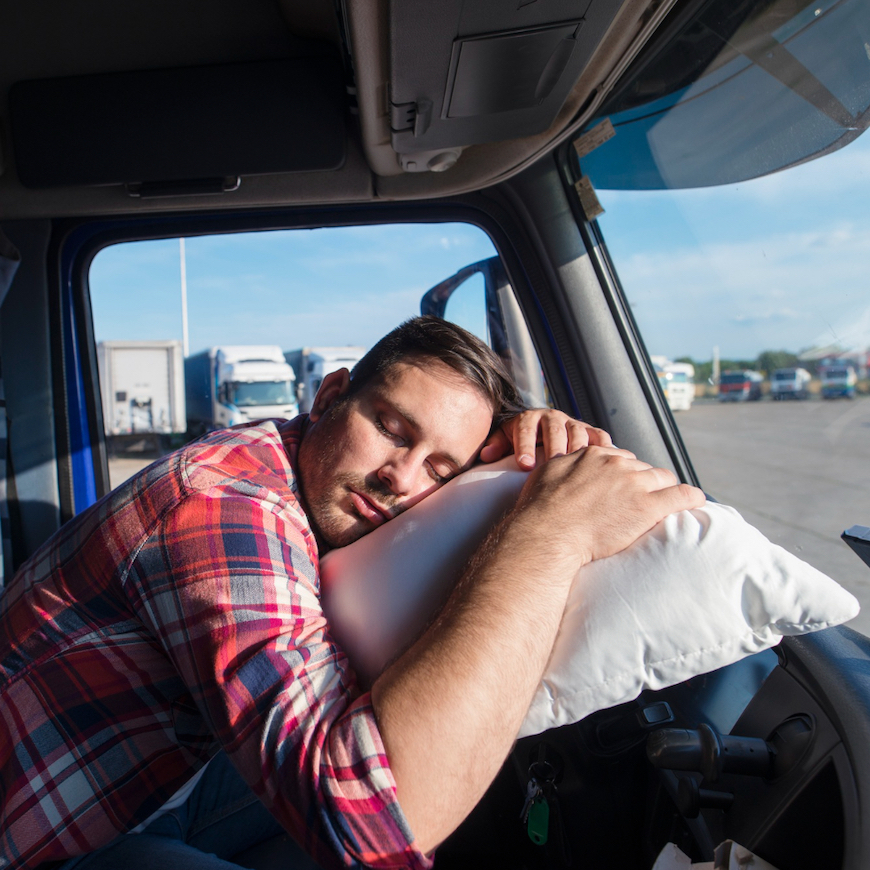
Fatigue and sleepiness aren’t exactly the same thing. Fatigue may feel like having no energy. Sleepiness means you actually feel as though you could fall asleep. You might find yourself becoming drowsy while:
watching television
reading
sitting quietly
riding as a passenger
working at your desk
Excessive daytime sleepiness can become dangerous if you become sleepy while driving. If you are struggling to stay awake while driving, don’t try to push through it. Avoid driving and discuss significant unexplained daytime sleepiness with a healthcare professional.
Snoring is probably the symptom most people associate with sleep apnea. And it remains an important one. Obstructive sleep apnea commonly causes snoring because airflow is restricted through the upper airway. A partner might describe: snoring → silence → gasp/snort → snoring again
That pattern is more concerning than occasional mild snoring. However, snoring alone does not prove that you have sleep apnea, and the absence of obvious snoring does not completely rule it out. Mayo Clinic notes that not everyone who snores has obstructive sleep apnea and not everyone with sleep apnea necessarily snores.
Suddenly waking because you feel like you cannot breathe is one of the more recognizable warning signs. You may wake:
gasping
choking
snorting
feeling short of breath
with your heart racing
With obstructive sleep apnea, the airway can become narrowed or blocked while you sleep. Your brain briefly wakes you so that breathing can resume. Repeated episodes of waking gasping or choking should be discussed with a healthcare professional rather than treated simply as “bad sleep.”
You can’t easily observe your own breathing while you’re asleep. Sometimes a partner notices the most important clue. They may see periods in which:
your breathing stops
snoring suddenly becomes silent
you begin breathing again with a gasp or snort
Witnessed breathing pauses are an important reason to seek medical evaluation. Mayo Clinic lists pauses in breathing observed by another person among the major symptoms of obstructive sleep apnea.
Poor-quality sleep doesn’t only affect your energy. It can affect how sharp you feel during the day. You may experience:
trouble concentrating
forgetfulness
slower thinking
difficulty staying focused
reduced productivity
The NHLBI notes that sleepiness and tiredness associated with sleep apnea can interfere with learning, focusing, and reacting. But brain fog is another nonspecific symptom. Sleep deprivation, stress, medications, hormonal changes, and numerous medical conditions can produce similar problems. Think of it as one piece of the puzzle rather than proof of sleep apnea.
Sleep and mental health are closely connected. Women with sleep apnea may experience mood-related symptoms, and the NHLBI lists both anxiety and depression among symptoms reported in women. That doesn’t mean anxiety or depression usually indicates sleep apnea. They are common conditions with many potential causes.
The reason they’re worth mentioning is that mood symptoms occurring alongside persistent poor sleep, morning headaches, snoring, or daytime sleepiness may provide another reason to discuss your overall sleep quality with your healthcare provider.
Frequently waking with a dry mouth or sore throat may occur in obstructive sleep apnea. This can happen alongside mouth breathing and snoring. Again, dry mouth has plenty of other explanations, including dehydration, medications, nasal congestion, and sleeping with your mouth open. It’s more meaningful when several sleep apnea symptoms appear together.
Getting out of bed repeatedly to urinate is called nocturia. There are many potential causes, particularly as people get older. But frequent nighttime urination can also occur in people with obstructive sleep apnea. Mayo Clinic includes needing to urinate often during the night among nighttime symptoms of OSA.
If nocturia has become a regular problem, especially alongside snoring or daytime sleepiness, mention both symptoms when talking to your healthcare provider.
There is considerable overlap between symptoms in women and men. However, the presentation can differ. Women may be more likely to report symptoms such as:
More commonly highlighted in women
Classic sleep apnea signs
Fatigue
Loud snoring
Insomnia
Witnessed breathing pauses
Morning headaches
Gasping or choking
Anxiety
Excessive daytime sleepiness
Depression
Disrupted sleep
Frequent nighttime waking
Morning dry mouth
These aren’t strict male-versus-female categories. A woman can have extremely loud snoring and witnessed breathing pauses, while a man can present with insomnia and headaches. The important point is that sleep apnea doesn’t always look like its stereotype.
Yes.
The NHLBI specifically cautions that women may not have classic symptoms such as snoring and therefore may not realize they could have sleep apnea. Snoring can be an important clue, but it isn’t a requirement for you to discuss possible sleep apnea with your healthcare provider. Consider the bigger pattern. For example: persistent fatigue + insomnia + morning headaches + frequent waking may deserve investigation even if nobody has complained about your snoring.
Menopause deserves particular attention. Women generally have a lower risk of obstructive sleep apnea earlier in adulthood than men, but that difference becomes smaller after menopause. The NHLBI states that women’s risk of sleep apnea increases during and after menopause, in part because hormonal changes can affect risk. Weight changes that occur during menopause may contribute as well.
The situation becomes complicated because menopause itself can cause problems such as insomnia, fatigue, and headaches. In other words, some symptoms can overlap. It may therefore be easy to attribute every new sleep problem to menopause when another sleep disorder could also be contributing.
If you’re approaching or past menopause and your sleep quality has changed significantly, particularly if you have snoring, breathing pauses, gasping, or significant daytime sleepiness, bring those symptoms to your healthcare provider’s attention.
Symptoms alone cannot diagnose sleep apnea. If a healthcare professional suspects sleep apnea, they may evaluate your symptoms, medical history, physical findings, and risk factors.
A sleep study may then be recommended. Testing can sometimes be performed at home, while other situations require an overnight study in a sleep center. During sleep testing, healthcare professionals can monitor breathing and other physiological measurements to determine whether breathing interruptions are occurring and how severe they are.
You shouldn’t rely on a smartwatch or online symptom checker to diagnose yourself. Wearable data can sometimes prompt useful questions, but a formal diagnosis requires appropriate medical evaluation and testing.
Consider discussing your sleep with a healthcare professional if you regularly experience several symptoms from this article, especially:
loud persistent snoring
witnessed breathing pauses
waking up gasping or choking
significant daytime sleepiness
unexplained persistent fatigue
recurring morning headaches
insomnia combined with other sleep apnea symptoms
repeatedly waking despite spending enough time in bed
A particularly important warning sign is excessive sleepiness that interferes with activities requiring alertness, such as driving. Don’t wait for every symptom to appear. Sleep apnea can present differently from one person to another.
Many of the symptoms discussed here aren’t unique to sleep apnea. Fatigue, insomnia, headaches, poor concentration, and mood changes can also be associated with:
insufficient sleep
iron deficiency or anemia
thyroid problems
depression or anxiety
menopause
medication side effects
restless legs syndrome
circadian rhythm disorders
other sleep disorders
That’s precisely why self-diagnosis isn’t a good approach. If poor sleep is the main problem, start by examining your overall sleep routine. LifestyleMine’s evening routine for better sleep and guide to recovering from sleep deprivation can help you understand some of the behavioral factors that influence sleep. But good sleep hygiene isn’t a substitute for medical evaluation when symptoms suggest a breathing-related sleep disorder.
Sleep apnea symptoms in women aren’t always obvious. The classic combination of extremely loud snoring and dramatic breathing pauses can occur, but some women experience a less recognizable pattern of fatigue, insomnia, headaches, frequent waking, daytime sleepiness, difficulty concentrating, anxiety, or mood changes. Risk also increases during and after menopause. None of these symptoms alone proves you have sleep apnea.
But if you’re consistently sleeping enough and still waking exhausted, or if you have symptoms such as loud snoring, gasping, choking, or witnessed breathing pauses, it’s worth discussing them with a healthcare professional. Better sleep starts with figuring out what is actually disrupting it.
There isn't one universal first symptom. Women may notice persistent fatigue, daytime sleepiness, insomnia, morning headaches, frequent waking, mood changes, snoring, or waking up gasping. A partner may notice breathing pauses before the person experiencing them does.
Some women describe feeling persistently tired despite spending enough time in bed. Others may notice insomnia, headaches, daytime sleepiness, poor concentration, or frequent waking. Because these symptoms have many possible causes, sleep apnea requires proper medical evaluation.
Yes. Although snoring is a common symptom of obstructive sleep apnea, not everyone with sleep apnea has obvious snoring. The NHLBI notes that women may not have classic symptoms such as snoring.
Risk of obstructive sleep apnea increases during and after menopause. Hormonal and body-composition changes may contribute, while overlapping symptoms such as insomnia and fatigue can make sleep apnea more difficult to recognize.
Yes. Excess weight increases the risk of obstructive sleep apnea, but people without overweight or obesity can also develop it. Age, airway anatomy, family history, menopause, nasal congestion, and certain medical conditions can also influence risk.
Symptoms can raise suspicion, but they cannot confirm the diagnosis. Healthcare professionals may recommend a sleep study, either at home or in a sleep center depending on the situation.
It can be, particularly when persistent tiredness occurs with other signs such as loud snoring, breathing pauses, morning headaches, gasping, or excessive daytime sleepiness. However, waking tired has many other possible causes.
This article is for educational purposes and is not a diagnosis. Symptoms such as fatigue, insomnia, headaches, and mood changes have many possible causes. A healthcare professional can determine whether sleep apnea or another condition may be responsible.
Mimo Karam is the founder and writer at LifestyleMine. She writes about daily habits, nutrition, sleep, and emotional wellness, turning research into practical advice for people who want to live healthier without making it complicated.