ADVERTISEMENT

How to Fall Asleep Faster: 12 Methods That Work

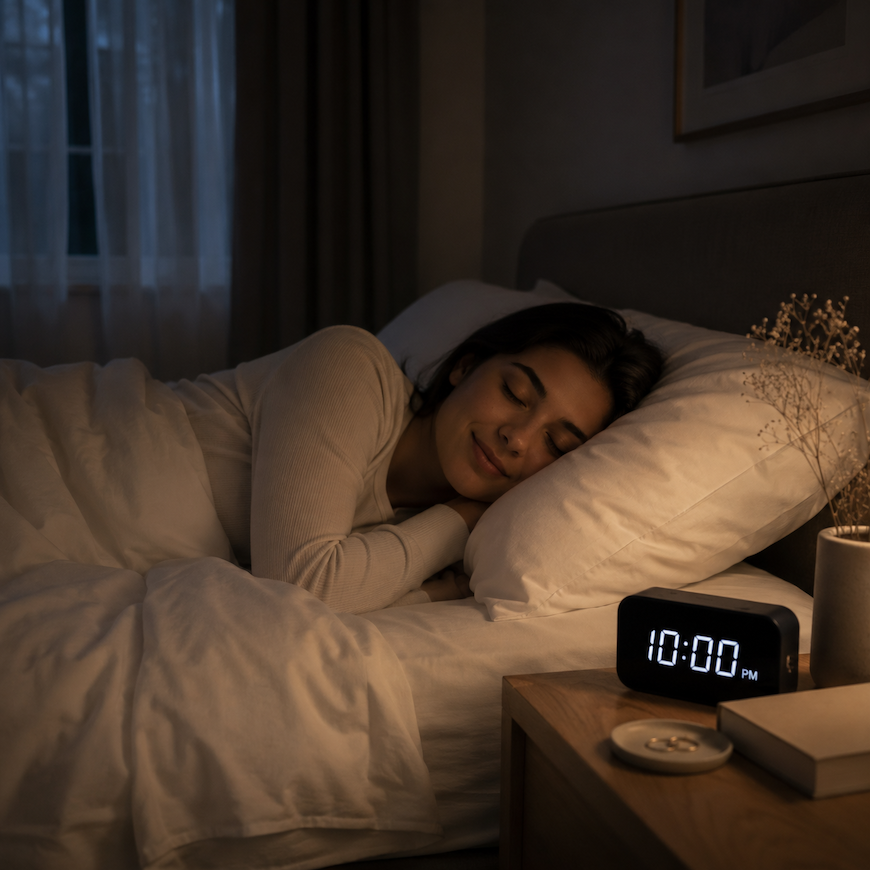
person lying in dark peaceful bedroom with white bedding soft light through curtains and digital clock showing 10pm - how to fall asleep faster

Why Can’t You Fall Asleep Even When You’re Tired?

Quick Answer: Inability to fall asleep despite tiredness results from a mismatch between two systems that must synchronize for sleep onset: sleep drive (adenosine accumulation: the biochemical tiredness signal) and the circadian alarm (the suprachiasmatic nucleus’s body temperature and cortisol rhythms). Being tired doesn’t automatically activate the circadian sleep signal. High cortisol, bright light after dark, and a core body temperature that hasn’t dropped sufficiently all delay sleep onset regardless of how tired you feel. The 12 methods below target these specific mechanisms, not just relaxation, which addresses neither.

ADVERTISEMENT


There’s a particular frustration that hits around 11:30pm. You’ve been trying to fall asleep for 45 minutes, you’re genuinely tired, and your brain is still narrating everything you did that day. I know it firsthand. For most of 2022 my average sleep onset ran 35 to 40 minutes, going by my sleep tracker.

My mistake was treating tiredness and sleepiness as the same thing. They’re different biological states. Adenosine is what makes you tired; it builds up in the brain over the hours you’re awake. The circadian alarm that opens the sleep gate runs on body temperature and cortisol rhythms instead, and mine were badly calibrated from late-night screens and an irregular wake schedule. If you’ve been searching how to fall asleep faster and nothing sticks, this mismatch is usually why.

Three changes fixed it: a consistent wake time no matter how I’d slept, a bedroom cooled to 18°C, and a physiological sigh as I got into bed. Within three weeks my average sleep onset dropped under 12 minutes. What follows is the same set of methods, the practical answer to how to fall asleep faster, organized from the fastest physiological resets to the slower circadian fixes.

Why You Can’t Sleep: The Biological Explanation

Quick Answer: Falling asleep needs two things to line up: enough adenosine (the sleep pressure that builds from the moment you wake) and an open circadian gate (set off by a falling core body temperature, usually between 10pm and 2am for most chronotypes, along with declining cortisol). Being tired just means your adenosine is high. If cortisol is still up (from stress, late exercise, or bright light at night), or if your core temperature hasn’t dropped enough (a warm room, a hot shower too close to bed, or hard activity will keep it high), the gate stays shut and sleep is delayed no matter how tired you are. That gap between tired and sleepy is the whole reason how to fall asleep faster is a real question and not just going to bed earlier.

Adenosine, the sleep pressure signal: Adenosine is a byproduct of neural activity that builds up through the day in the basal forebrain. As it rises, so does sleep pressure, and you feel tired. Caffeine works by blocking adenosine receptors, not by adding energy. That’s also why it stops working: once it clears (half-life of 5 to 6 hours), all the adenosine that piled up behind those blocked receptors lands at once. Adenosine drives the desire for sleep, but it doesn’t control when the gate opens. It explains why you’re tired, not how to fall asleep faster on a given night.

Core body temperature, the gate: The brain starts sleep when core temperature falls about 1 to 1.5°C from its afternoon peak. That heat leaves through the hands and feet, whose blood vessels dilate before sleep to release it. A warm room blocks that release. It’s why the ideal sleeping temperature (65 to 68°F, or 18 to 20°C) is noticeably cooler than what most people like during the day. It’s also why a warm bath or shower one to two hours before bed helps; the rapid heat loss from your skin afterward speeds the core temperature drop. Temperature is one of the few levers for how to fall asleep faster that you can change tonight.

Cortisol and the HPA axis: Falling asleep when you’re wired but tired is often a cortisol question, and it’s where most of the advice on how to fall asleep faster actually applies. Cortisol runs on its own circadian rhythm: a peak early in the morning (the cortisol awakening response), a slow decline through the day, and a low point around midnight. Anything that spikes it in the evening, like stressful thoughts, bright light (blue wavelengths suppress melatonin and keep cortisol up), intense exercise, or an argument, pushes the gate later and holds off sleep. The relaxation techniques article goes through the cortisol half-life mechanism in detail.
Methods 1-4: Breathing and Active Relaxation

Quick Answer: Breathing techniques that lengthen the exhale switch on the parasympathetic nervous system through vagal afferents, which slows the heart, lowers cortisol, and brings down physiological arousal. The physiological sigh (a double nasal inhale plus a long exhale) is the quickest way to reset your CO2/O2 balance and tip you from sympathetic (alert) to parasympathetic (rest). It takes one breath. The military method and the cognitive shuffle deal with the other big obstacle, a mind that keeps replaying problems. Between them, these four methods cover both the physical and mental sides of sleep latency. If you only try one approach to how to fall asleep faster, start with the physiological sigh.

ADVERTISEMENT


Method 1: The Physiological Sigh (Stanford 2023) A 2023 study in Cell Reports Medicine by Yilmaz Balban et al. (Stanford) compared cyclic sighing (the physiological sigh repeated for 5 minutes), box breathing, and mindfulness meditation for stress and mood. Cyclic sighing came out ahead. Here’s the mechanism: in normal breathing, some of your alveoli (the air sacs) collapse, which cuts the surface area for gas exchange.

A double inhale, one breath in through the nose and then a short top-up, reopens those collapsed sacs so the long exhale that follows can offload more CO2. That fast shift in the CO2/O2 ratio triggers the parasympathetic system right away. You feel it on the first breath, a wave of physical relaxation.How to do it: breathe in through your nose for 3 to 4 seconds, take a second short top-up inhale to fully expand the lungs, then exhale slowly and completely through the mouth for 6 to 8 seconds. Repeat one to three times, right as you get into bed. It’s the single fastest method here for how to fall asleep faster.

Method 2: The Military Sleep Method The progressive muscle relaxation part works through the tension-and-release contrast: deliberately relaxing each muscle group raises parasympathetic tone and dials down the physical side of anxiety. Practice it during the day so it takes less mental effort at night, when you actually need it. Done well, it’s a solid answer to how to fall asleep faster under stress.

Method 3: 4-7-8 Breathing Inhale through the nose for 4 counts, hold for 7, exhale through the mouth for 8. The long exhale does the work; it stimulates the vagus nerve and slows your heart rate (respiratory sinus arrhythmia). The hold can create mild hypercapnia (raised CO2), which is sedating on its own. If 7 seconds of holding feels rough, shorten it. The ratio matters more than the exact counts, so a 3-5-7 pattern gets you the same effect with an easier hold. Paired with the sigh, it’s a dependable route to how to fall asleep faster on an anxious night.

Method 4: The Cognitive Shuffle The cognitive shuffle, developed by cognitive scientist Luc Beaudoin, interrupts the default mode network (DMN), the system that runs during self-referential thought, worry, and planning ahead. Rather than trying to “clear your mind” (close to impossible), it hands the DMN random, unconnected things to chew on. Pick an emotionally neutral word, say “market.” Then picture random images: an apple, a horse, a blue gate, a cup. After 5 to 8 of them, switch to a new random word. The deliberate incoherence imitates the hypnagogic imagery of early sleep and tells the brain it’s safe to let go.

Methods 5-8: Environment and Timing

Quick Answer: Your environment and timing handle the circadian side of falling asleep. The four with the biggest effect: cool the room to 65 to 68°F (18 to 20°C) to help core temperature fall; keep a consistent wake time regardless of how you slept (the most evidence-backed sleep hygiene habit there is, because it builds sleep pressure and anchors the circadian rhythm); cut blue light for 90 minutes before bed (the melatonin suppression from blue wavelengths is well measured, and 90 minutes of bright screens delays melatonin onset by about 1.5 hours in studies); and take a warm bath or shower one to two hours before bed to speed heat loss from skin to core. These four are the backbone of how to fall asleep faster over the long run, since they fix the clock rather than just the moment.

Method 5: Consistent Wake Time This is the most effective sleep tip in the clinical literature and the least followed. The circadian clock needs steady anchoring. Sleeping in on weekends to make up for a short week wrecks your Monday-night sleep, a pattern called “social jet lag.” A fixed wake time (within 15 minutes, seven days a week) anchors the rhythm and builds sleep pressure steadily through the day. It’s uncomfortable at first, especially after a short night, but it leads to much faster sleep onset within two to three weeks. If you adopt one habit for how to fall asleep faster, make it this one.

Method 6: Cool the Room (65-68°F / 18-20°C) Polysomnography studies put the best sleep temperature at 65 to 68°F (18 to 20°C). Above 72°F (22°C), core temperature takes longer to fall and sleep efficiency drops. No AC? Try a cooling mattress pad, breathable cotton or bamboo bedding (polyester traps heat), a fan aimed at the bed, and light sleepwear or none.

Method 7: Warm Bath or Shower 1-2 Hours Before Bed It sounds backwards, since warm water should heat you up, not help you sleep. But the warm water dilates the blood vessels in your skin and pulls blood to the surface. When you get out, heat pours off that warmed skin, and your core temperature drops in a way that mirrors and speeds up the natural pre-sleep decline. The one-to-two-hour window matters, because the cooling peaks about an hour after the bath, which should land near your target sleep time.

Method 8: Eliminate Blue Light 90 Minutes Before Bed Blue wavelengths (480nm) suppress melatonin through the intrinsically photosensitive retinal ganglion cells (ipRGCs), which wire straight to the suprachiasmatic nucleus. In controlled studies, 90 minutes of bright screen time before bed delays melatonin onset by 1.5 hours and cuts the melatonin peak by half. In practice: wear blue-light-blocking glasses (they filter 480nm) or switch to red-tinted lighting in the evening. Screen dimmers like Night Mode and f.lux lower the intensity but don’t fully remove the 480nm wavelength. Cutting evening light is one of the most underrated parts of how to fall asleep faster.

Methods 9-10: Mental Techniques

Quick Answer: Rumination, those repetitive negative thought loops, is the most common reason otherwise healthy adults take a long time to fall asleep. Two mental techniques have specific evidence behind them: paradoxical intention (deliberately trying to stay awake, which lowers sleep anxiety and removes the performance pressure that keeps you up) and stimulus control (getting out of bed after more than 20 minutes awake and going back only when sleepy, which breaks the link between bed and wakefulness). Both belong to cognitive behavioral therapy for insomnia (CBT-I), which beats sleep medication in long-term trials. For chronic cases, these are closer to how to fall asleep faster for good than any quick fix.

ADVERTISEMENT


Method 9: Paradoxical Intention Anxiety about falling asleep (“I have to be up in 6 hours, I need to sleep now”) switches on the sympathetic nervous system and makes sleep less likely. Paradoxical intention flips it: instead of trying to fall asleep, you try to stay awake while lying still in the dark. That removes the performance anxiety, lowers cortisol, and lets sleep arrive on its own. It’s used in CBT-I protocols and backed by RCT evidence. The irony is well documented: actively trying to sleep is often the very thing keeping you awake. Letting go of the effort is, paradoxically, part of how to fall asleep faster.

Method 10: Stimulus Control (Get Out of Bed) If you’ve been lying awake for more than 20 minutes, get up and move to a dimly lit room. Do something quiet and low-stimulation (read a paper book, stretch lightly, listen to calm audio) until you’re genuinely sleepy, then go back to bed. The point is to break the learned link between “in bed” and “awake and frustrated.” After enough nights lying there awake, the brain starts to associate the bed itself with wakefulness, and stimulus control retrains that. It’s a core part of CBT-I, which the European guideline for insomnia names as the first-line treatment for chronic insomnia, ahead of any sleep medication.

Methods 11-12: Nutrition and Supplements

Quick Answer: Two nutrition tweaks have steady clinical evidence for falling asleep. Magnesium glycinate (200 to 400mg at night) activates GABA receptors and lowers neuronal excitability, and it produced measurable sleep gains in adults with insomnia across several RCTs. Low-dose melatonin (0.5 to 1mg) taken 5 to 6 hours before your target sleep time, not right before bed, resets the circadian phase for people with delayed sleep phase or jet lag. The common move of taking 3 to 10mg right before bed doesn’t use melatonin’s phase-shifting mechanism at all; it just makes you drowsy for a bit rather than actually resetting the clock. Supplements are a smaller piece of how to fall asleep faster than timing and environment, though they help at the margins.

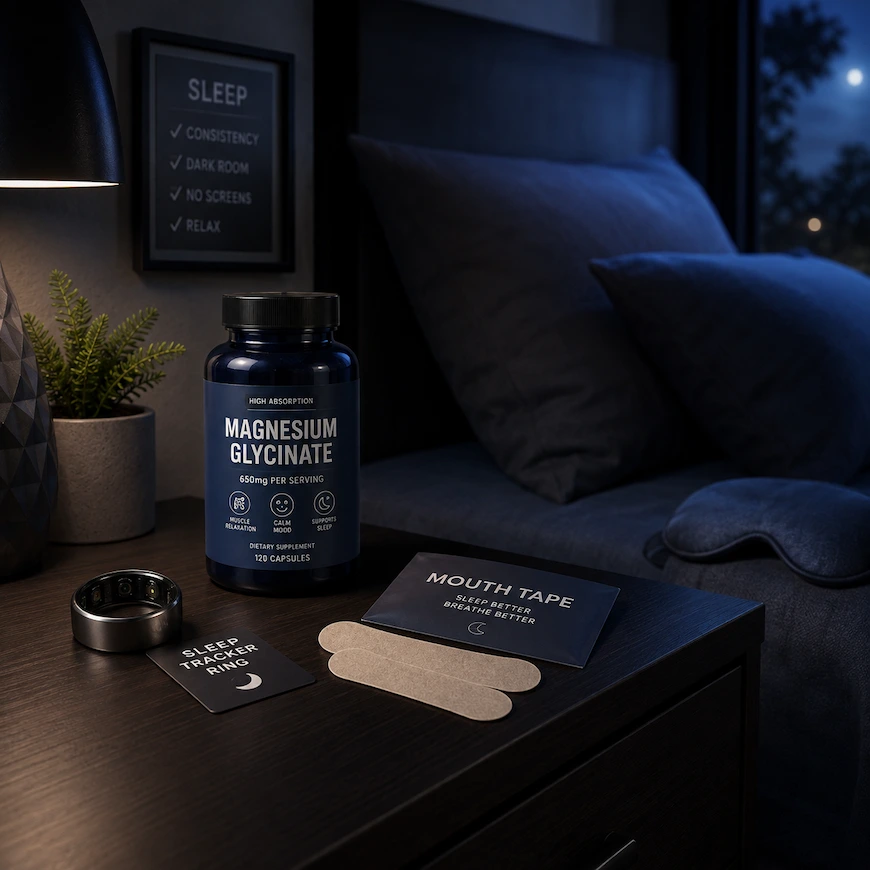
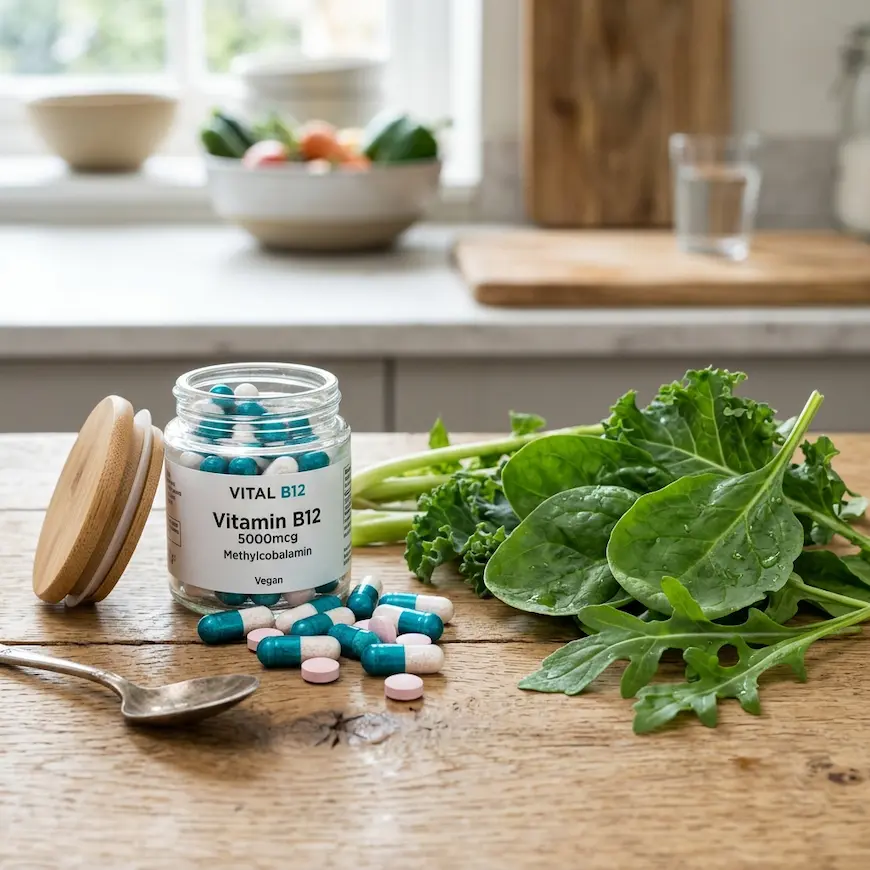
Method 11: Magnesium Glycinate Magnesium is the fourth most abundant mineral in the body and a cofactor in more than 300 enzymatic reactions, including ones that regulate GABA (gamma-aminobutyric acid) receptors, the brain’s main inhibitory system. Low magnesium tracks with insomnia in epidemiological data. A 2012 RCT in older adults found that 500mg a day improved sleep efficiency from 77% to 84%, shortened sleep onset, and lowered cortisol against placebo.

Glycinate is the form to reach for: it’s bound to glycine (a sleep-promoting amino acid in its own right), absorbs well, and causes far less of a laxative effect than oxide or citrate. Typical protocol is 200 to 400mg of glycinate, 30 to 60 minutes before bed. The signs of magnesium deficiency article covers the full deficiency picture and dietary sources.

Method 12: Low-Dose Melatonin (Timing Matters More Than Dose) Melatonin is a chronobiotic, meaning it shifts the circadian phase. It isn’t a sedative. The protocol that uses its real mechanism is 0.5 to 1mg taken 5 to 6 hours before your desired sleep time, which nudges the clock earlier and moves your sleep window forward over several days. That’s the right use for delayed sleep phase (chronically falling asleep after midnight), jet lag (eastward travel), or adjusting to shift work.

Taking 3 to 10mg right before bed, which is what most people do, brings on drowsiness pharmacologically but doesn’t reset the phase, and higher doses may blunt your own melatonin production over time. A 0.5mg dose is plenty for the phase shift. The coffee and caffeine article covers the caffeine-adenosine interaction that shapes evening alertness and how well melatonin lands.

What Doesn’t Work: Overrated Sleep Advice

Quick Answer: Counting sheep has been tested and lost to mental imagery; it doesn’t engage the mind enough to keep it from drifting back to rumination. Alcohol shortens sleep onset but badly disrupts REM, which lowers sleep quality and brings on early-morning waking. “Catching up” by sleeping in on weekends throws off the circadian rhythm and doesn’t deliver fully restorative deep sleep anyway. Chamomile tea has no controlled evidence for faster sleep onset in healthy adults. And high-dose melatonin right before bed works partly through placebo and drowsiness, not through the chronobiotic mechanism that actually matters. Most of the popular shortcuts for how to fall asleep faster don’t hold up to testing.

The alcohol point is the one worth sitting with, because it feels like the clearest exception. A nightcap genuinely does shorten the time it takes to drift off, which is exactly why people trust it. The cost shows up in the back half of the night. As the alcohol metabolizes, REM rebounds and sleep fragments, so you wake at 3am or 4am and struggle to settle again. Faster onset, worse night, and you usually feel it the next morning.

ADVERTISEMENT


Frequently Asked Questions About Falling Asleep Faster

That's a classic sign of circadian misalignment. Your sleep drive (adenosine) is high, so you're genuinely tired, but your clock's sleep gate isn't lined up with the hour you're trying to sleep. The usual contributors: delayed sleep phase (a late chronotype), inconsistent wake times, bright light in the evening that delays melatonin, and high evening cortisol from stress. The two highest-leverage fixes, and the core of how to fall asleep faster here, are a consistent wake time and less evening light. The why you're always tired article covers the overlap between circadian misalignment and daytime fatigue.

Yes, though timing matters. Regular exercise increases slow-wave (deep) sleep and total sleep time. But intense exercise within 2 hours of bed raises cortisol and core temperature and delays sleep onset. Morning and afternoon workouts line up with the best sleep results. If evening is your only option, keep it lower intensity (yoga, a walk, light resistance work), which affects cortisol and temperature far less than intervals or heavy lifting.

Eight hours is a population average, not a rule for everyone. Your actual need varies with age, genetics (the DEC2 short-sleeper gene lets some people do well on 6 hours), and health. The National Sleep Foundation recommends 7 to 9 hours for adults aged 18 to 64. What matters more than a number: waking without an alarm and feeling rested, steady energy through the day without leaning on caffeine, and no heavy daytime sleepiness. A consistent wake time plus tracking your sleep onset helps you find your own optimum.

No. Lying awake for long stretches trains the brain to associate the bed with being awake, a conditioned arousal response. Stimulus control (Method 10) handles it: get up after about 20 minutes awake, and go back only when you're sleepy. It feels backwards and is uncomfortable at first, especially if your sleep is already rough, but it's the behavioral approach with the best long-term track record for sleep onset problems. Counterintuitive as it is, getting up is often how to fall asleep faster.

Not in the physical-dependence sense; melatonin doesn't cause the receptor downregulation or withdrawal you see with habit-forming medications. That said, steady high-dose use may lower your own melatonin production over time, since the pineal gland's feedback system notices the extra coming in. The clinical consensus is that low doses (0.5 to 1mg) for circadian phase management are safe for short-to-medium-term use. Nightly high doses (5 to 10mg) are less studied and less supported.

This article provides general information about sleep hygiene and sleep onset techniques. It does not constitute medical advice and is not a treatment for sleep disorders. If you have chronic insomnia (difficulty falling or staying asleep three or more nights per week for three or more months), sleep apnea symptoms (snoring, gasping, or waking unrefreshed), or excessive daytime sleepiness, consult a physician or sleep specialist.

Scroll to Top