✦
THE LIFESTYLEMINE NEWSLETTER
Simple wellness tips, healthy recipes, and
everyday inspiration delivered to your inbox.
Your Email Address
This one has to come first. Not because it’s the most interesting, but because the evidence is overwhelming and no other lung habit comes close.
Smoking is the leading cause of preventable death globally and the primary cause of chronic obstructive pulmonary disease (COPD), lung cancer, and most other serious lung conditions. The CDC keeps a clear overview of how smoking drives COPD CDC on COPD and smoking . Every cigarette delivers thousands of chemicals into the airway tissue, including nicotine, carbon monoxide, tar, formaldehyde, benzene, and roughly 70 known carcinogens.
The mechanism matters. Smoking doesn’t just “damage lungs” in the abstract. It paralyzes and eventually destroys the cilia lining the airways, the lung’s primary self-cleaning system. Without functioning cilia, mucus and debris accumulate. Inflammation becomes chronic. Scar tissue builds in the alveoli walls and reduces their elasticity. Cells that were normal start mutating.
What most people don’t realize is how fast the body recovers once smoking stops. The timeline is well documented:
20 minutes after quitting: Blood pressure and pulse rate drop toward normal.8 hours: Carbon monoxide in the blood drops to normal and oxygen levels increase.24 hours: Risk of heart attack begins to decrease.72 hours: Bronchial tubes begin to relax, making breathing easier.1 month: Cilia begin to regrow in the airways and lung congestion decreases.1 year: Risk of coronary heart disease is half that of a continuing smoker.10 years: Risk of dying from lung cancer is roughly half that of someone who kept smoking.
If you have been smoking for years, those statistics still apply. The body’s ability to begin repairing lung health after quitting is one of the more remarkable things about respiratory biology. The recovery isn’t complete, since some structural damage is permanent, but the risk reduction is real at every point on the timeline. One thing worth knowing going in: if you’re quitting smoking, fatigue in the first weeks is common and temporary .
If quitting feels impossible alone, the most effective approach is combination therapy (nicotine replacement plus a medication like varenicline) paired with behavioral support. Neither willpower nor patches alone works as well as both together. The American Lung Association keeps a practical guide to the process American Lung Association quitting guide.
Lung tissue doesn’t distinguish between cigarette smoke and any other inhaled toxin. Particulate matter, nitrogen dioxide, ozone, radon, asbestos, and VOCs (volatile organic compounds) from cleaning products and synthetic materials all cause inflammatory damage over time when exposure is chronic. Reducing that exposure is one of the more overlooked healthy habits for lungs, mostly because the sources are invisible.
Two environments matter:
Outdoor air quality: On days when your area has poor air quality ratings (often reported as AQI, the Air Quality Index), reduce outdoor activity and keep windows closed. Avoid exercising near heavy traffic, where diesel particulate concentration is much higher. If you exercise outdoors regularly, checking AQI takes 30 seconds and cuts the toxin load you inhale over years.
Indoor air quality: This is where most people slip, because indoor air is typically 2 to 5 times more polluted than outdoor air, according to EPA research EPA on indoor air quality . We spend roughly 90 percent of our time indoors, so indoor exposure often outweighs outdoor exposure even in polluted cities.
Practical steps that genuinely move the needle on indoor lung health:
Open windows regularly, even in winter. Short ventilation periods sharply reduce indoor pollutant concentration.
Replace synthetic air fresheners and scented candles with ventilation. Most synthetic fragrances emit VOCs including benzene and formaldehyde.
Run exhaust fans during and after cooking. Cooking, especially on gas stoves, generates nitrogen dioxide and particulate matter at concentrations that exceed outdoor pollution standards.
Reduce carpet and textile surfaces where possible. They trap allergens, mold spores, and dust mites.
Consider a HEPA air purifier in the bedroom, where you spend 7 to 8 hours per night.
If you work around chemicals, sawdust, paint, or industrial materials, use the correct respirator, not just a dust mask.
Respiratory infections, whether a common cold, influenza, or pneumonia, aren’t just unpleasant events that pass. Repeated respiratory infections cause cumulative airway inflammation. Serious infections can leave permanent scarring in lung tissue. In people with asthma or existing lung conditions, infections speed up decline. Protecting against them is one of the healthy habits for lungs that pays off quietly, year after year.
The habits that most consistently reduce infection risk:
Handwashing: The single most effective infection-prevention measure. Wash with soap and water for at least 20 seconds, particularly before eating, after touching shared surfaces, and after being in healthcare settings.
Oral hygiene: This one surprises people. The mouth and lungs are connected through the airways, and bacteria from poor oral health can be aspirated into the lungs during sleep, causing aspiration pneumonia. Brushing twice daily and keeping up with dental care is a genuine healthy habit for lungs, not just for your teeth.
Sleep and morning routine: Infection resilience tracks closely with sleep. Your morning routine affects immune resilience more than most people realize, and small consistent morning habits change how you feel across the day.
Vaccination: Annual influenza vaccination reduces both flu incidence and the risk of influenza-associated pneumonia. The pneumococcal vaccine is recommended for adults over 65 and those with lung conditions. If you are immunocompromised or have COPD or asthma, talk through your vaccination schedule with your doctor.
Crowd and season awareness: Respiratory viruses spread mostly through droplets in enclosed, crowded spaces. During peak virus season, small adjustments help: skipping crowded indoor spaces when transmission is high and improving ventilation cut your exposure without much disruption.
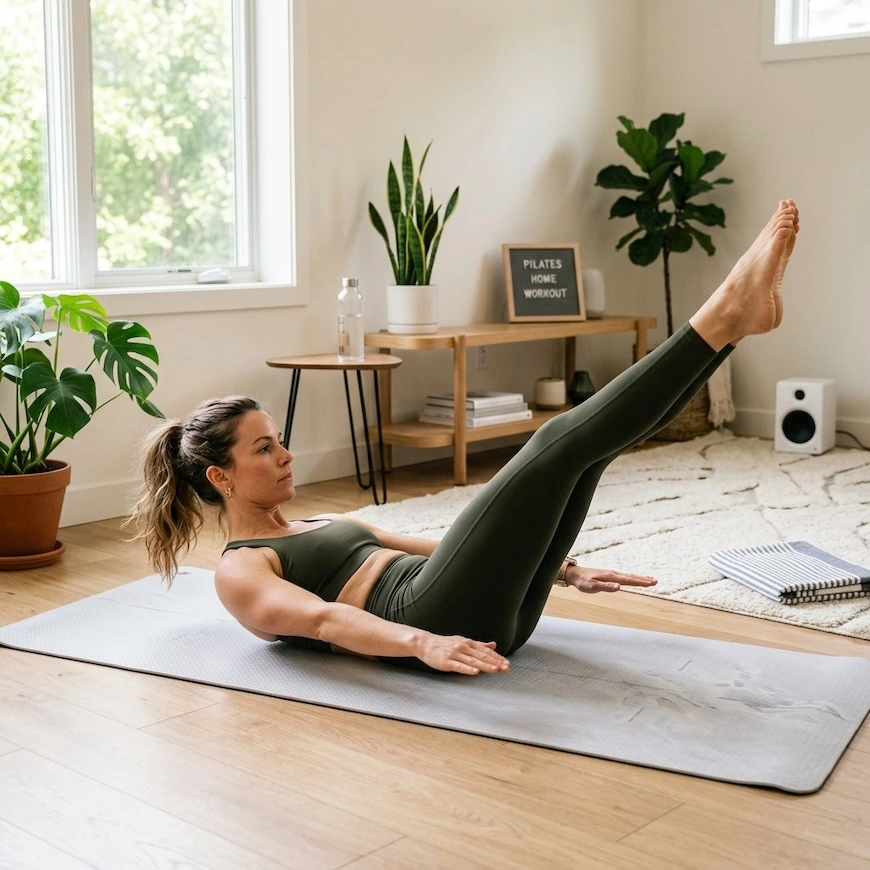
Exercise doesn’t only strengthen your cardiovascular system. It also strengthens the respiratory muscles that drive breathing and keeps the lung tissue itself active and well perfused. Of all the healthy habits for lungs, this is the one with the most immediate carryover into how you feel day to day.
During exercise, your lungs and heart work together to feed oxygen to muscles that want more than usual. Over time, that training improves how efficiently your lungs transfer oxygen and how strong the breathing muscles get. Trained people tend to have better lung health markers, including a higher FEV1 (forced expiratory volume in one second) and better lung capacity as they age.
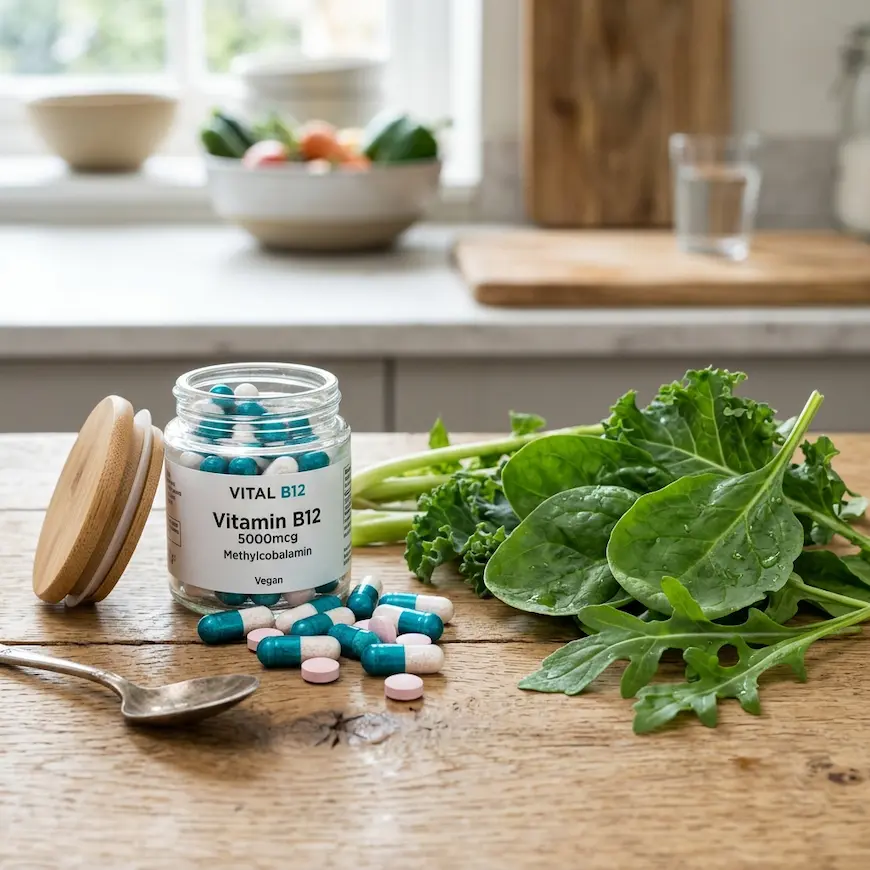
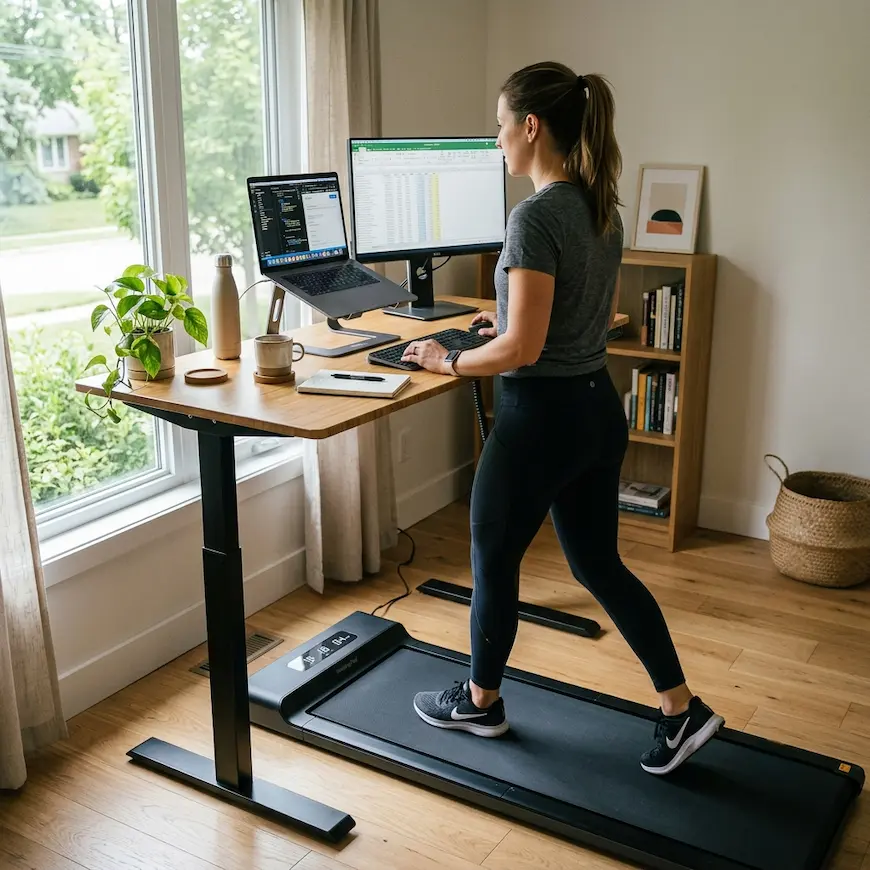
For general healthy habits for lungs, aerobic exercise is the foundation: walking, swimming, cycling, dancing. Thirty minutes most days is the target. Swimming is especially good: breathing against water resistance gives the respiratory muscles a mild workout. One nutritional note: magnesium also supports muscle function including the respiratory muscles, so it’s worth knowing the signs of magnesium deficiency if exercise leaves you crampy or flat. And if energy makes exercise difficult in the first place, these supplements have evidence behind them .
Diaphragmatic breathing: A technique worth adding on its own. Most people breathe shallowly from the upper chest, using only a fraction of their lung volume. Diaphragmatic breathing (belly breathing) engages the full lung capacity. To practice, lie on your back with one hand on your chest and one on your stomach. Breathe in slowly through the nose for 4 counts; your stomach should rise while your chest stays relatively still. Exhale through pursed lips for 6 counts. Repeat 5 to 10 times daily.
Pursed-lip breathing: Useful for people with COPD or asthma, and helpful for everyone else too. Inhale through the nose for 2 counts. Exhale slowly through lips pursed as if you’re blowing out a candle, for 4 counts. This slows your breathing rate, raises airway pressure, and helps keep the small airways open longer.
Both techniques take under 10 minutes and address one of the most neglected healthy habits for lungs: actively using the capacity you already have.
Lung disease is sneaky because symptoms tend to show up late. By the time someone notices persistent breathlessness, reduced exercise tolerance, or a chronic cough, significant lung function may already be gone.
A routine physical doesn’t include lung function testing unless you ask or your doctor has a reason to add it. If you have any of these risk factors, ask specifically about a lung function assessment:
Current or former smoker (any amount, any duration)
History of asthma or childhood respiratory infections
Occupational exposure to dust, chemicals, or fumes
Family history of COPD or lung disease
Regular exposure to indoor or outdoor air pollution
The primary test is spirometry: you blow as hard and fast as you can into a device that measures how much air you move and how quickly. It gives two key numbers: FVC (forced vital capacity, the total air you can exhale) and FEV1 (how much you can exhale in the first second). Compared against expected values for your age and height, these numbers give your doctor a precise picture of lung health that symptom-checking can’t match.
Early detection of lung conditions like COPD, asthma, and pulmonary fibrosis dramatically improves outcomes. It’s one of the most evidence-based healthy habits for lungs, because it turns a reactive problem into one you can catch early.
Food doesn’t get discussed enough in lung health conversations, but the connection is real.
Chronic inflammation damages lung tissue over time. Anti-inflammatory eating (fatty fish, olive oil, leafy greens, berries, nuts) reduces the systemic inflammation that also affects your airways. Vitamin C, found in citrus, bell peppers, and kiwi, supports the structural collagen that keeps airways intact. Omega-3 fatty acids have evidence for reducing airway inflammation in asthma.
What to cut back on: ultra-processed foods, refined sugar, and excess saturated fat all raise systemic inflammatory markers. You don’t have to avoid them entirely, but the pattern over time matters for your lungs the same way it matters for your heart. Eating well belongs on any honest list of healthy habits for lungs.
Related: Anti-inflammatory foods to eat every week
Yes, with consistency. Regular aerobic exercise strengthens the respiratory muscles and improves how efficiently your lungs exchange oxygen. Specific breathing exercises like diaphragmatic and pursed-lip breathing help too. You can't push past the biological maximum set by your genetics, but you can use more of the capacity you have and slow the natural age-related decline, which is really what the healthy habits for lungs are for.
Faster than most people expect. Cilia in the airways begin regrowing within weeks of quitting. Lung congestion decreases within a month. By one year, the risk of coronary heart disease is half that of a continuing smoker. By ten years, the risk of lung cancer is roughly halved. That early recovery is one of the strongest reasons to quit at any age.
A persistent cough (especially one that produces mucus or blood), breathlessness during activities that didn't previously cause it, wheezing at rest or with mild exertion, frequent respiratory infections, or a noticeable drop in exercise tolerance. Any of these warrant a conversation with a doctor rather than just watching and waiting.
For most people in most environments, yes. The EPA estimates indoor air is typically 2 to 5 times more polluted than outdoor air, with common sources including cooking emissions, cleaning chemicals, synthetic fragrances, mold, and VOCs from furniture and building materials. The healthy habits for lungs tied to indoor air, like ventilation, HEPA filtration, and removing synthetic fragrances, are often the most immediately actionable.
Yes, particularly diaphragmatic and pursed-lip breathing. These techniques engage the full lung volume, strengthen the respiratory muscles, and, for people with COPD or asthma, help keep the small airways open during exhalation. Pulmonologists and respiratory therapists recommend them, not just wellness blogs.
Lung function peaks around age 25 and begins a gradual decline after that. The healthy habits for lungs, like not smoking, reducing pollutant exposure, and regular exercise, have the most impact when you start early. But studies consistently show that quitting smoking or starting exercise delivers real benefit at any age, including in older adults.
Your lungs work every second of your life without any effort from you. That reliability is easy to take for granted until it falters.
The healthy habits for lungs in this article are not exotic interventions. Not smoking, reducing pollutant exposure, preventing infections, exercising, and getting regular checkups are the five habits with the strongest evidence for preserving lung function over time. The breathing exercises are a sixth that most people have never been taught, and they address how well you’re using the capacity you already have.
The chest infection that started all this turned out to be nothing permanent. But it was the right prompt to stop treating lung health as a background assumption.
All content on LifestyleMine is for informational and educational purposes only. It is not a substitute for advice from a qualified healthcare professional. If you have breathing difficulties, a persistent cough, or any concern about your lung health, please consult a doctor.
Mimo Karam is the founder and writer at LifestyleMine. She writes about daily habits, nutrition, sleep, and emotional wellness, turning research into practical advice for people who want to live healthier without making it complicated.