I ate carefully for four months and didn’t lose a single kilogram.
I tracked my food. I bought low-fat products. I swapped soda for orange juice and snacked on fruit. I ate six small meals a day because I’d read it kept my metabolism up. Everything I did matched the standard advice.
The scale didn’t move.
Things only clicked when a nutritionist friend sat down with my food diary and started crossing things out. Most of what I believed about eating to lose weight was outdated, misapplied, or quietly working against me. The nutrition mistakes weren’t dramatic. That’s the whole problem. They look like good habits.
Here are nine nutrition mistakes for weight loss that I was making, what the research actually says about each, and what to do instead.
Choosing low-fat and diet foods
This is the most common one, and the one wrong the longest.
The low-fat movement took off in the 1970s, built on Ancel Keys’ research linking dietary fat to heart disease. By the 1980s, government guidelines pushed low-fat diets and food companies reformulated thousands of products to match. They pulled the fat out and, almost every time, put sugar in.
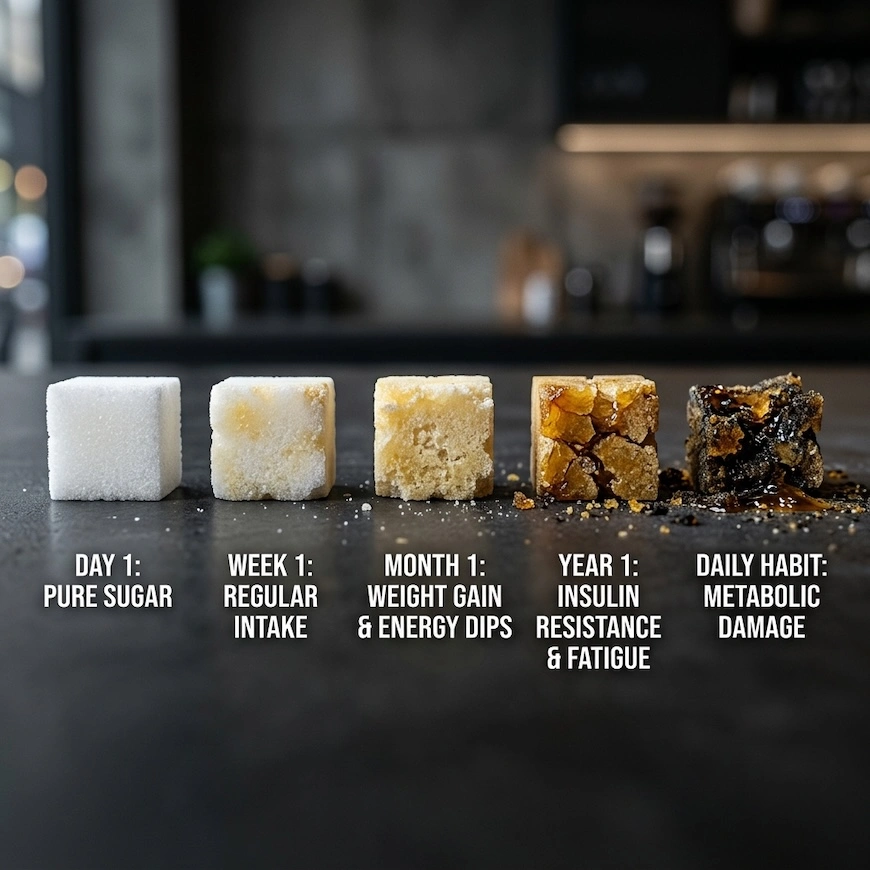
A standard full-fat yogurt (125g) has around 4g of fat and 8g of sugar. The low-fat version, reworked to taste fine without the fat, usually carries 0.5g of fat and 14 to 17g of sugar. Fewer fat calories, sure. But the extra sugar drives insulin up far more than the fat ever did.
Insulin is the hormone that matters for storage. When it’s elevated, your body holds onto fat instead of burning it, and a high-sugar low-fat yogurt keeps it raised longer than the full-fat one would.
A 2017 meta-analysis in the European Journal of Nutrition reviewed 29 studies and found no link between full-fat dairy and higher obesity risk. Some even pointed the other way, with full-fat eaters showing lower obesity rates than low-fat ones.
So read the sugar line before the fat line. If the “diet” product has more sugar than the original, that label is marketing. This is one of the nutrition mistakes for weight loss that keeps people stuck for years without knowing why.
Eating too little fiber
Fiber is the most underused tool you have, and nobody talks about it.
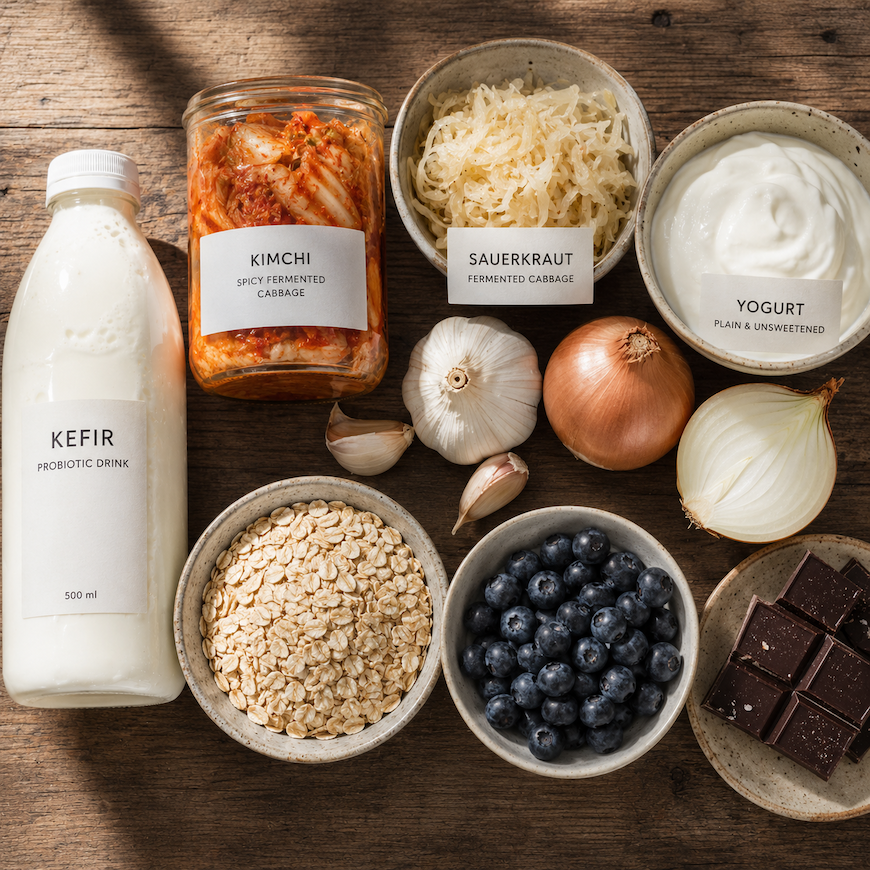
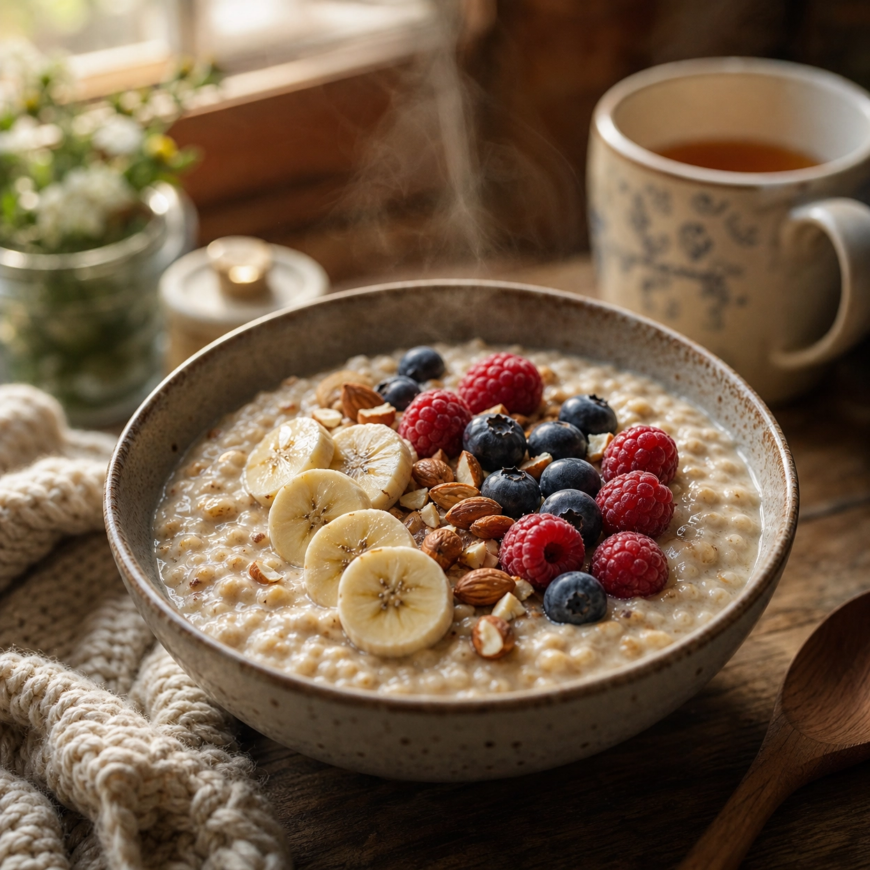
Soluble fiber, the kind in oats, legumes, flaxseeds, and apples, dissolves in water and turns into a gel in your gut. That gel slows how fast your stomach empties, so food trickles into the small intestine instead of flooding it. Slower transit means a gentler glucose rise, a smaller insulin spike, and longer-lasting fullness.
The calorie effect is real, too. A Wake Forest University study found that every extra 10g of daily soluble fiber lined up with a 3.7% drop in visceral fat over five years, independent of any other change. Other research suggests doubling your fiber means about 130 fewer calories absorbed a day, since fiber drags some fat and carbohydrate out before your body absorbs them.
The average American eats about 14 to 15g of fiber a day. The target is 25g for women and 38g for men. That’s a big gap, and closing it is simple: no counting, no cutting, you just add.
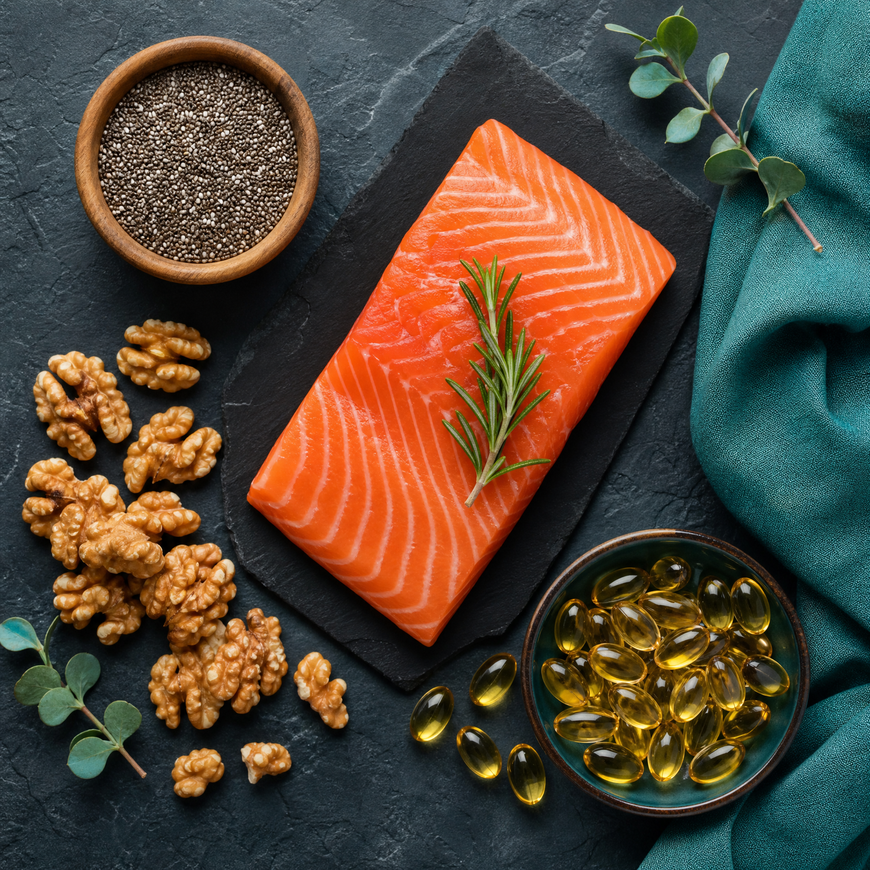
Good sources: lentils (15.6g per cooked cup), black beans (15g), chia seeds (10g per 28g serving), oats (4g per cooked cup), broccoli (5g per cup). Most of these also show up among the anti-inflammatory foods with the strongest evidence behind them.
Skipping protein at most meals
This is the most expensive nutrition mistakes, metabolically.
Protein has the highest thermic effect of any macronutrient. Your body burns 20 to 30% of protein’s calories just digesting it. Carbs cost 5 to 10%. Fat costs almost nothing, 0 to 3%. So 100 calories of chicken breast nets you about 70 to 75 once digestion takes its cut. 100 calories of sugar leaves you with 90 to 95.
Protein also flattens ghrelin, the hunger hormone, better than carbs or fat do. A high-protein breakfast keeps ghrelin lower for longer than a carb-heavy one of the same size.
The working target for weight loss is 0.6 to 0.8g of protein per pound of body weight a day. For someone at 150 pounds (68kg), that’s 90 to 120g. Most people on a standard diet land around 50 to 65g, and that gap drives a lot of the hunger that wrecks most attempts.
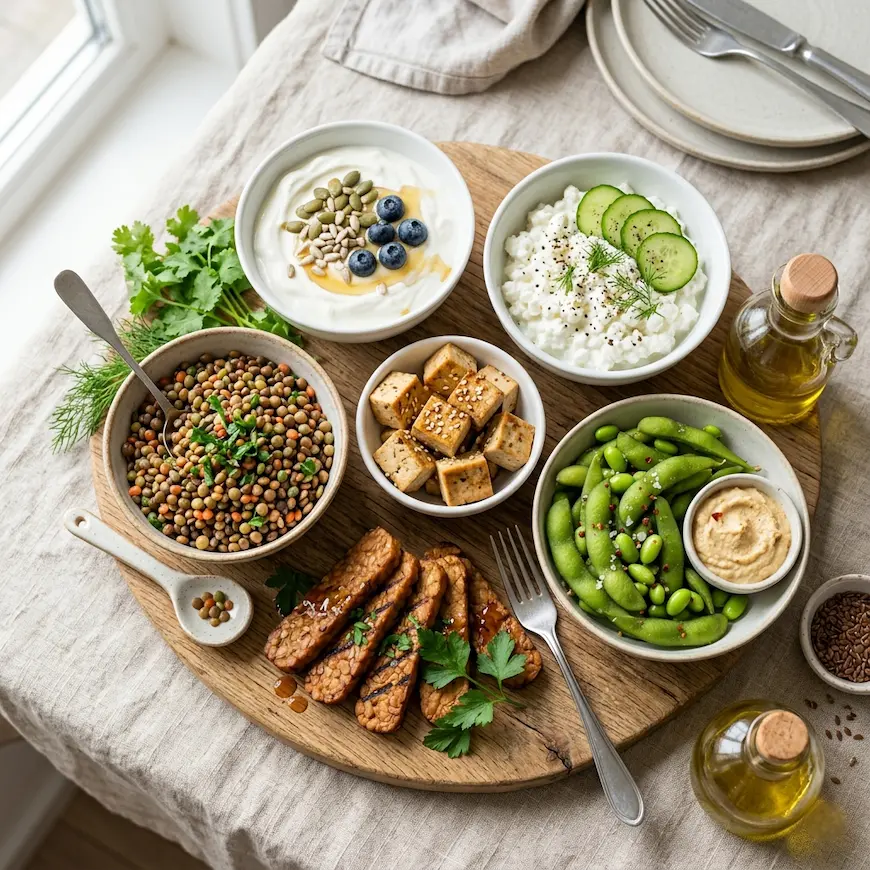
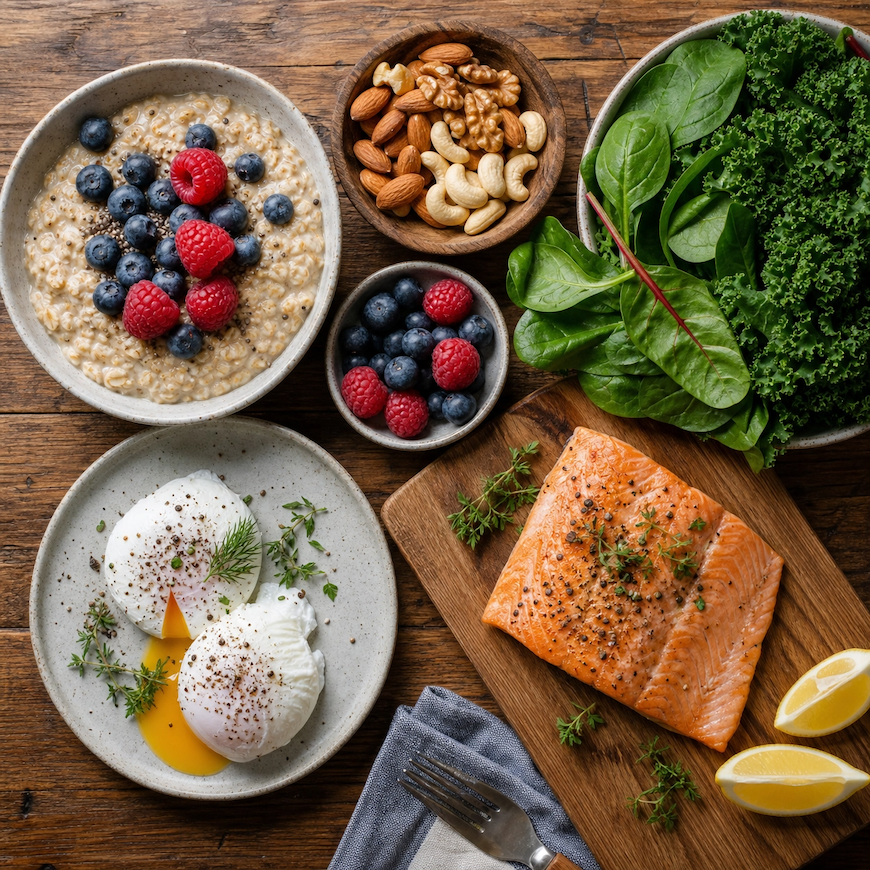
Sources: chicken breast (31g per 100g cooked), Greek yogurt (17g per 150g), lentils (18g per cooked cup), eggs (6g each), cottage cheese (14g per half cup). Aim for protein at every meal, not just at dinner.
Once you understand what your body actually needs from food, this gets easier. Protein does more than build muscle. It’s the most metabolically active macro on your plate, and the one most people skimp on.
Drinking fruit juice
This is the mistake that catches the most people, because juice wears a health halo it hasn’t earned.
A 350ml glass of 100% orange juice has roughly 36g of sugar and almost no fiber. Three whole oranges have about the same sugar but come with 9g of fiber. That fiber slows glucose absorption to a crawl, so blood sugar rises gradually. Strip it out and orange juice behaves a lot like a soft drink.
The reason sits in the liver. Fructose, whether from juice or the corn syrup in soda, gets processed there instead of in muscle or fat cells the way glucose does. Too much drives liver fat (hepatic steatosis) and raises triglyceride production, both their own metabolic risks, separate from any calorie math.
A study in the BMJ found that drinking fruit juice tracked with higher type 2 diabetes risk, while eating whole fruit tracked with lower risk, even when the sugar amounts matched. The fiber made the difference, along with the chewing.
So eat the fruit and drink water. Want flavor? Add cucumber or real lemon. That swap is among the simplest nutrition mistakes for weight loss to fix, and it drops 36g of sugar per glass without costing you a single nutrient.
Believing all calories are equal
This is the stubbornest myth in nutrition.
A calorie is a unit of energy. In a lab they all burn the same. In a body they don’t, because the response depends on what the calorie arrives with.
100 calories of almonds come packaged with 2.5g of fiber, 6g of protein, and 9g of fat. The fiber slows absorption, the protein triggers fullness hormones, and the fat delays stomach emptying. The result is slow, steady energy with barely any insulin response and a strong “I’m full” signal.
100 calories of gummy bears come as 25g of pure sugar and nothing else. Insulin spikes hard and fast. Ghrelin bounces back early. You’re hungry again in an hour or two, and your body sat in storage mode the whole time insulin stayed up.
Same calories, completely different aftermath. That’s why counting calories without looking at what’s in the food is one of the most maddening nutrition mistakes for weight loss going. People cut intake, hold the line, and still don’t lose, because they’re eating in a way that keeps insulin switched on.
The fix is to judge food by quality, not just quantity. Lean on whole foods that bring protein, fiber, and fat. They hold insulin steady and keep hunger in check, no logging required.
Skipping breakfast, or eating it on autopilot
“Breakfast is the most important meal of the day” started as a 1944 Grape-Nuts ad from the Nutritional Research Laboratories, funded by General Foods. It was never a research finding.
A 2022 Cochrane Review of randomized trials found no consistent evidence that skipping breakfast makes adults gain weight. In most studies, skippers didn’t overeat later, and several showed lower total daily intake.
The flip side is one of the sneakier nutrition mistakes for weight loss: eating breakfast out of habit when you’re not hungry, especially a breakfast built on refined carbs. A bowl of commercial cereal with skim milk runs 60 to 70g of carbohydrate, a lot of it fast-digesting, which sets up a glucose spike, a mid-morning crash, and snacking that starts earlier and runs bigger.
The principle is simple: eat when you’re hungry, stop when you’re full. Not hungry in the morning? Skipping breakfast isn’t a problem. Hungry? A high-protein start (eggs, Greek yogurt, cottage cheese) keeps you satisfied far longer than a pile of carbs will.
Drinking your calories without noticing
Liquids slip past the brain’s fullness system in a way solid food doesn’t, which makes this one of the easiest nutrition mistakes for weight loss to miss.
A 400-calorie smoothie won’t satisfy you the way a 400-calorie plate of food will. Research from Purdue University showed that chewing and swallowing solids fires off much stronger satiety signals than drinking the same calories. Chewing engages the stretch receptors in your stomach; liquids barely touch them.
The usual suspects: specialty coffee drinks (a large flavored latte runs 250 to 400 calories), smoothies and protein shakes (300 to 600), alcohol (7 calories a gram, zero fullness), sweetened sparkling waters, and “health” drinks like kombucha, coconut water, and vitamin water.
Alcohol deserves its own line because these lists usually leave it out. Beyond the 7 calories per gram, it stalls fat oxidation for up to a day afterward. Your liver handles the alcohol first, so fat burning pauses until it’s done.
Not sleeping enough
This one isn’t about food at all, which is exactly why it belongs on a list of nutrition mistakes for weight loss.
A 2018 meta-analysis from King’s College London pooled 11 randomized controlled trials and found that sleep-deprived people eat about 385 more calories a day than well-rested ones. The mechanism is blunt: short sleep raises ghrelin (hunger) and drops leptin (fullness) at the same time. You wake up hungry and never quite get full, no matter what you eat.
Poor sleep also dents insulin sensitivity. One week of six-hour nights instead of eight produces glucose changes in healthy young adults that look like early prediabetes. Treating sleep as separate from nutrition is the mistake. Sleep is when your body resets hunger hormones, settles cortisol, and keeps your metabolism running. If your food and training are dialed in and the scale still won’t budge, look at why you’re always tired and how well you’re sleeping before you change anything else.
Living on processed food instead of whole food
Ultra-processed food now makes up 58% of the calories in the average American diet, according to research in BMJ Open. The NOVA system doesn’t judge these foods by single ingredients but by how heavily they’re processed: additives, emulsifiers, flavor enhancers, and compounds built to stretch shelf life and crank up palatability.
Ultra-processed food is engineered to talk over your satiety signals. Refined carbs, industrial seed oils, salt, and lab-tuned flavor combine to push you past the point where you’d normally stop.
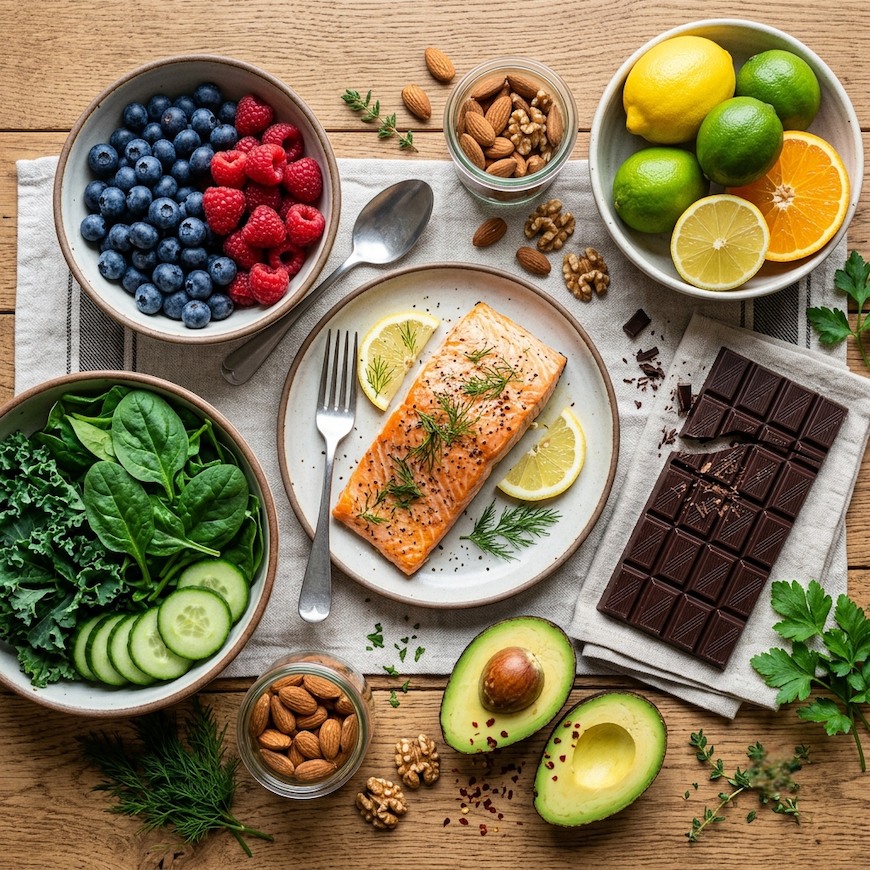
Whole, single-ingredient foods don’t pull that trick. An apple, a chicken breast, a bowl of lentils, a handful of walnuts, each one lets your fullness signals work the way they should. Research on the gut microbiome keeps showing that whole-food diets build healthier gut bacteria, steadier satiety hormones, and more stable blood sugar than processed diets with the same calories.
The biggest of all the nutrition mistakes for weight loss isn’t one food. It’s the overall ratio of whole to processed in your diet. Building a healthier approach to daily nutrition starts with shifting that ratio, the most durable change you can make whatever diet camp you’re in.
Frequently Asked Questions
Does eating less always cause weight loss?
Not reliably. Cut calories too hard and your resting metabolic rate drops; your body reads scarcity and burns less at rest. People call it metabolic adaptation, or "starvation mode." Dropping to 1,000 or 1,200 calories a day often works for a few weeks, then stalls. Eating enough protein and calories while raising food quality usually beats aggressive restriction over time.
Is skipping breakfast good or bad for weight loss?
Neither. The evidence doesn't make breakfast mandatory. What matters is your total daily food quality and quantity, not the timing. Some people do fine with breakfast, some without. The mistake is forcing a meal when you're not hungry, especially a refined-carb one. Eat when you're hungry, get protein when you do, and don't invent meals your body isn't asking for.
How much protein do I actually need to lose weight?
The research-backed range for weight loss is 0.6 to 0.8g per pound of body weight, a bit above general health advice. For a 140-pound (64kg) person, that's 84 to 112g a day, well above what most people on a standard diet eat. Hitting it usually takes a deliberate protein source at most meals rather than whatever happens to land on the plate.
Is fiber really that important?
Yes, and it's one of the most underused moves available. Soluble fiber slows stomach emptying, softens insulin spikes, feeds the gut bacteria that make short-chain fatty acids, and physically carries some calories out unabsorbed. You don't need to rebuild your diet. Add lentils, oats, or chia to meals you already eat and you'll close most of the gap. Worth checking the signs of magnesium deficiency too if you get constipated while ramping up fiber, since magnesium helps keep things moving.
What’s the single most important change?
Cut ultra-processed food and put whole, single-ingredient food in its place. That one move lifts your protein, your fiber, your calorie quality, and your satiety hormones at once, no tracking needed. It's the change that fixes the most nutrition mistakes for weight loss in a single stroke. People who shift from a mostly processed diet to a mostly whole-food one tend to eat less without trying.
This article is for general education, not medical or nutritional advice. Metabolic responses vary a lot from person to person. If you have a history of disordered eating, a metabolic condition, or serious concerns about your weight, work with a registered dietitian before making big changes to how you eat.

Mimo Karam is the founder and writer at LifestyleMine. She writes about daily habits, nutrition, sleep, and emotional wellness, turning research into practical advice for people who want to live healthier without making it complicated.