✦
THE LIFESTYLEMINE NEWSLETTER
Simple wellness tips, healthy recipes, and
everyday inspiration delivered to your inbox.
Your Email Address
Protein is what your body uses to build and repair almost everything structural. Muscle tissue, connective tissue, hair, skin, and nails are all largely protein. Enzymes, which drive chemical reactions in every cell, are protein. Antibodies, your immune system’s frontline fighters, are protein. Many hormones, including insulin, are protein.
The importance of healthy nutrition around protein comes down to amino acids. Protein is built from amino acids, and nine of them are “essential,” meaning your body can’t synthesize them. They have to come from food. A complete protein source contains all nine essential amino acids in adequate proportions.
Complete animal protein: chicken, beef, fish, eggs, dairy, all of which contain the essential amino acids.
Complete plant protein sources: soy, quinoa, buckwheat, hemp seeds. Most other plant proteins are “incomplete,” lacking one or more essential amino acids, which is why variety matters in plant-based diets. Combining beans and rice, for example, gives a complete amino acid profile even though neither does alone.
A general daily protein target is roughly 0.8 grams per kilogram of body weight for sedentary adults, rising to 1.2 to 2.0 grams per kilogram for physically active adults and older adults trying to hold onto muscle. Most people on typical Western diets get enough protein. Vegans and vegetarians need to be more intentional about variety.
Carbohydrates have a complicated reputation they don’t entirely deserve.
They’re the body’s preferred energy source. Your brain alone uses about 120 grams of glucose a day as its primary fuel, more than any other organ. Your muscles rely on glycogen (stored glucose) for any high-intensity activity. The digestive and immune systems both prioritize glucose metabolism.
The importance of healthy nutrition around carbohydrates isn’t about avoiding them. It’s about quality.
Whole-food carbohydrates like vegetables, fruits, legumes, whole grains, and root vegetables come packaged with fiber, vitamins, minerals, and phytonutrients. They metabolize more slowly, meaning steadier blood sugar and energy. Ultra-processed carbohydrates like white bread, sugary cereals, and packaged snacks have been stripped of fiber and micronutrients. They metabolize fast, spike blood sugar, and deliver calories with little nutritional return.
The practical rule: carbohydrates from foods that look close to their natural state are healthy nutrition. Carbohydrates from foods that need a paragraph of ingredients aren’t.
Low-carb diets can work for specific purposes, but treating all carbohydrates as the enemy ignores how the brain and body actually function. The goal isn’t fewer carbs. It’s better ones.
Dietary fat spent decades being treated as the problem. It isn’t.
Fat is required to absorb the fat-soluble vitamins (A, D, E, and K). Without enough fat in a meal, those vitamins pass through unabsorbed no matter how much of them you eat. That’s one reason low-fat diets, despite good intentions, often lead to micronutrient deficiencies, particularly vitamin D and K.
Fat also forms the structural membrane of every cell in your body. Hormones including estrogen, testosterone, and cortisol are made from cholesterol and fatty acids. The myelin sheath that lets nerve signals travel efficiently is largely fat. Your brain is about 60 percent fat by dry weight.
When it comes to the importance of healthy nutrition, what matters with fat is the type.
Beneficial fats (unsaturated): Monounsaturated fatty acids in olive oil, avocados, almonds, and cashews lower LDL cholesterol and cardiovascular risk, with consistent research behind them. Polyunsaturated fatty acids, including omega-3s (fatty fish, walnuts, flaxseed) and omega-6s (vegetable oils), are essential because your body can’t make them. Omega-3s in particular have strong evidence for reducing inflammation, supporting brain function, and protecting cardiovascular health.
Fats to limit: Trans fats (partially hydrogenated oils, mostly in heavily processed foods) raise LDL and lower HDL cholesterol, and they’re universally agreed to be harmful. Excess saturated fat (red meat, full-fat dairy, coconut oil) raises LDL cholesterol in most people, though individual response varies.
Fat from whole-food sources is almost always fine. Fat from ultra-processed and fried foods is the concern.
Vitamins are organic compounds your body needs in small amounts for the reactions that keep you alive.
There are 13 essential vitamins, in two categories with meaningfully different rules. The NIH keeps individual fact sheets for each one if you want to go deeper NIH Office of Dietary Supplements fact sheets .
Water-soluble vitamins (B vitamins and vitamin C): These dissolve in water and aren’t stored in the body for long. The excess leaves in your urine, so you need a steady daily intake from food, and deficiency develops within weeks to months. Vitamin C is needed for collagen synthesis, wound healing, and immune function. B vitamins (particularly B12, B6, and folate) are essential for energy metabolism, red blood cell production, and nervous system function. When the B vitamins run low, fatigue is one of the first things people notice, useful to know when you’re sorting out chronic fatigue from poor nutrition vs. fatigue from other causes .
Fat-soluble vitamins (A, D, E, K): These dissolve in fat and get stored in body tissue, so they can build to toxic levels if you over-supplement. They also need dietary fat at the meal to be absorbed at all. That’s why the importance of healthy nutrition around fat isn’t only about energy: it directly affects whether your fat-soluble vitamins work.
Vitamin D deserves its own mention. It’s technically made in the skin from sunlight, but most people in temperate climates are deficient for much of the year. It functions more like a hormone than a vitamin, affecting bone density, immune function, mood regulation, and cellular growth, and it’s one of the most commonly deficient nutrients in the Western world. The mood link is real enough that it’s worth knowing the specific foods that directly support mood through nutritional pathways .
Vitamin A (in liver, orange and yellow vegetables, and leafy greens) is critical for vision, immune function, and skin health. Vitamin K (in leafy greens) is essential for blood clotting and bone metabolism. Vitamin E (in nuts, seeds, and vegetable oils) works as an antioxidant that protects cell membranes.
Getting vitamins from whole food beats supplements, because food delivers them alongside the cofactors that help you absorb and use them. Supplements fill gaps. They don’t replicate what food does.
Minerals are inorganic elements the body can’t produce. They come from food and, historically, from soil. The mineral content of food depends heavily on the soil it grew in, an increasingly relevant concern given how much industrial agriculture has depleted topsoil.
Key minerals and what they do:
Calcium: Needed for bone and tooth structure, muscle contraction (including the heart), nerve signal transmission, and blood clotting. Found in dairy, leafy greens, tofu, almonds, and fortified foods. Vitamin D is required for calcium absorption, another reason D deficiency undermines bone health even when calcium intake is fine.
Iron: Needed for hemoglobin (the protein in red blood cells that carries oxygen) and myoglobin (its equivalent in muscle). Deficiency causes anemia: fatigue, weakness, breathlessness, and trouble concentrating. Found in red meat, organ meats, and shellfish (heme iron, well absorbed), plus legumes, tofu, and spinach (non-heme iron, absorbed better with vitamin C).
Magnesium: Involved in over 300 enzymatic reactions. It supports muscle and nerve function, blood sugar regulation, bone density, and sleep quality. Deficiency is surprisingly common and brings fatigue, muscle cramps, anxiety, poor sleep, and a lower threshold for stress.
Potassium: Regulates fluid balance and blood pressure, and supports nerve signaling and muscle contraction. Abundant in bananas, potatoes, avocados, and beans. Most Western diets run low on potassium and high on sodium, a combination that raises cardiovascular risk.
Related: Signs your body might be low on magnesium
Fiber doesn’t provide calories or build tissue, and for a long time got treated mainly as a digestive convenience. The research of the last two decades has upgraded its status considerably.
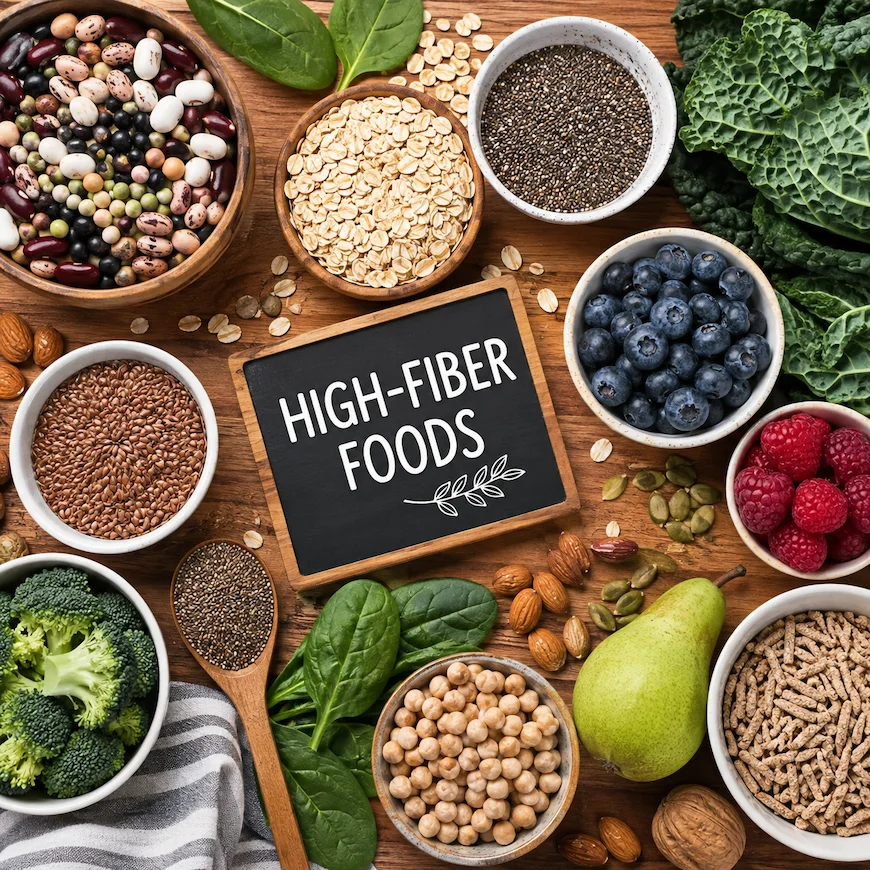
There are two types. Soluble fiber dissolves in water to form a gel in the digestive tract. It slows glucose absorption (which flattens blood sugar spikes), lowers LDL cholesterol, and feeds beneficial gut bacteria. Found in oats, apples, beans, barley, and flaxseed. Insoluble fiber doesn’t dissolve. It adds bulk to stool, speeds transit through the colon, and reduces constipation, and shows up in whole grains, nuts, and the skins of vegetables and fruits.
The bigger story in recent years is the gut microbiome. Your gut holds roughly 38 trillion bacteria, and fiber is their primary food source. These bacteria produce short-chain fatty acids that feed the cells lining the colon, regulate immune function, produce certain B vitamins and vitamin K2, and appear to influence inflammation and mental health through the gut-brain axis.
So the importance of healthy nutrition around fiber is less “prevents constipation” and more “feeds the ecosystem that runs your immune system and inflammation response.” Most adults in Western countries eat about half the recommended daily fiber (25 to 38 grams a day).
Practical tip: add fiber gradually rather than all at once. Big sudden increases cause real digestive discomfort. Add one high-fiber food per week over several weeks.
Water isn’t technically a nutrient in the biochemical sense, but every nutrient needs it to function. Every cellular reaction happens in an aqueous environment. Nutrients travel through the bloodstream, waste leaves through urine, temperature is regulated through sweat, and joints are lubricated with synovial fluid. All of it is water.
The importance of healthy nutrition around water gets underestimated because we picture dehydration as a dramatic event. It isn’t. Mild dehydration (1 to 2 percent of body weight in fluid) starts reducing cognitive performance, increasing fatigue, and impairing coordination before thirst even shows up for most people. By the time you feel thirsty, you’re already mildly dehydrated.
Practical target: pale yellow urine through most of the day means you’re well hydrated; consistently dark yellow means you’re behind. The “8 glasses” rule is just an approximation; actual needs vary with body weight, activity, heat, and diet, since fruits and vegetables contribute a fair amount of fluid.
Water also has no calories. Swapping even one or two sugary drinks a day for water cuts calorie intake substantially with no other change to your diet.
Poor nutrition doesn’t always announce itself with dramatic symptoms. More often it shows up as the low-grade problems most people accept as normal: persistent fatigue that sleep doesn’t fix, frequent colds and slow recovery, skin that doesn’t look quite right, concentration that drifts, mood that runs lower than it should.
Over time, sustained nutritional shortfall feeds the leading causes of death worldwide: cardiovascular disease (sodium, saturated fat, refined carbohydrates), type 2 diabetes (refined carbohydrates, excess calories, low fiber), certain cancers (low fiber, excess processed meat), and osteoporosis (calcium, vitamin D, protein). These aren’t diseases you catch suddenly; they develop over decades of daily nutritional patterns.
So the importance of healthy nutrition isn’t about perfection. It’s about the cumulative pattern over years, and how consistently you’re getting the seven categories above from whole-food sources.
Related: Anti-inflammatory foods to eat every week
The importance of healthy nutrition gets buried under the sheer volume of diet advice insisting that one specific eating system is the answer. Low-carb, high-fat, high-protein, plant-based, Mediterranean, intermittent fasting: each has evidence for specific populations and contexts.
The principle underneath them all is the same: eat mostly whole, minimally processed foods that together cover the seven categories above. Both the USDA’s dietary guidelines USDA Dietary Guidelines for Americans and the WHO’s healthy diet guidance WHO healthy diet fact sheet and in roughly the same place. In practice that means:
Protein at most meals (animal or plant-based)
Carbohydrates mostly from vegetables, fruits, legumes, and whole grains
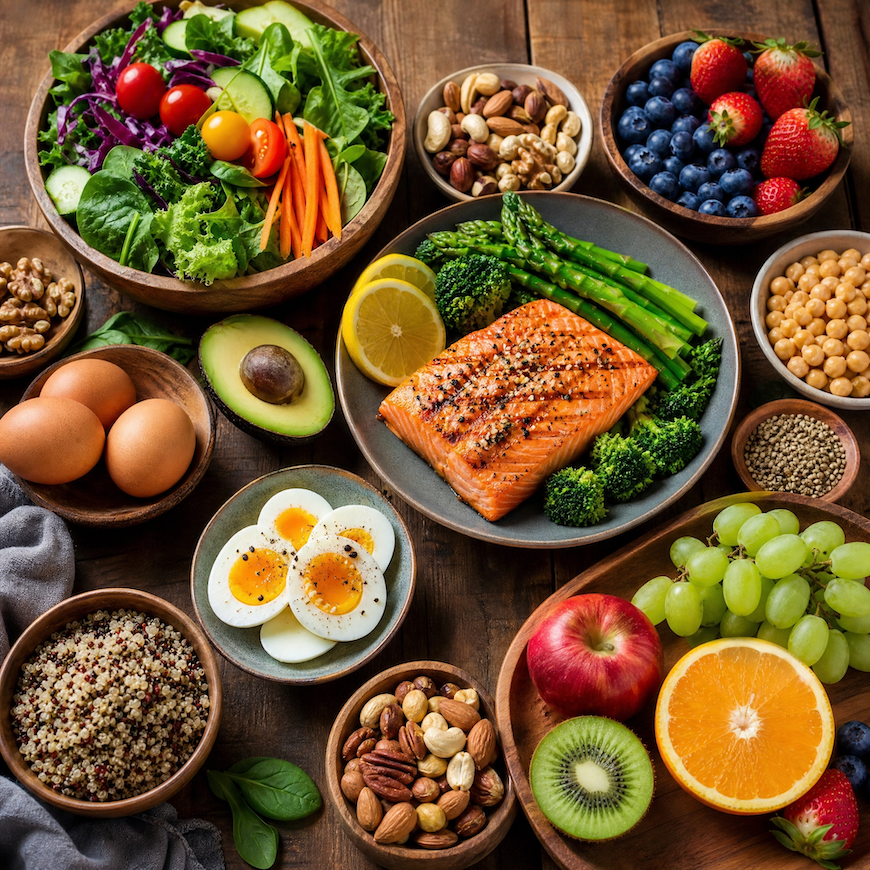
Fat from whole-food sources (fish, nuts, olive oil, avocado)
A variety of vegetables, especially dark leafy greens
Water as the primary beverage
Keeping ultra-processed foods to a minimum, not because any single product is poison, but because they crowd out the whole foods that deliver the nutrients above
You don’t need to count anything to do this. You shift the proportion of what fills your plate, which is where the importance of healthy nutrition turns into a daily practice instead of a project.
In practical terms, it means consistently consuming adequate amounts of all seven nutrient categories (protein, carbohydrates, fats, vitamins, minerals, fiber, water) primarily from whole, minimally processed food sources. The importance of healthy nutrition is not about eating perfectly or following a specific diet -- it's about the cumulative pattern of what your body receives over time.
For most people eating a varied, whole-food diet, yes. The exceptions are noteworthy: vitamin B12 is almost entirely absent from plant foods, making supplementation essential for vegans. Vitamin D is difficult to obtain from food alone in many climates, even with regular sun exposure. Iron, omega-3 fatty acids, and calcium can also be challenging to get adequately from plant-based diets without intentional planning.
Multiple ways simultaneously. Iron deficiency reduces oxygen delivery to tissues, causing fatigue. Magnesium deficiency impairs mitochondrial energy production. B12 deficiency reduces red blood cell production. Low carbohydrate intake (especially for the brain) creates mental fatigue and difficulty concentrating. Inadequate protein impairs recovery and muscle function. Poor nutrition doesn't just "feel bad" -- it has specific biochemical mechanisms for each type of fatigue.
Whole food is almost always better. Food delivers nutrients alongside cofactors, phytonutrients, and fiber that affect how those nutrients are absorbed and used. Supplements are standardized doses in isolation. They fill genuine gaps (vitamin D, B12, iron in deficiency) but don't replicate the synergistic benefits of eating a varied whole-food diet. The importance of healthy nutrition comes from the food, not from a multivitamin covering it.
Increasing vegetable variety and quantity. Most people eat two or three types of vegetables habitually. Expanding to six to eight varieties per week meaningfully increases exposure to different vitamins, minerals, fiber types, and phytonutrients. It's the change with the broadest nutritional return, doesn't require eliminating anything, and has strong consistent evidence across populations.
Some effects are fast: better energy within weeks of correcting a deficiency, improved gut function within days of increasing fiber (gradually). Long-term effects, reduced chronic disease risk, maintained bone density, preserved cognitive function with aging, operate over years and decades. The importance of healthy nutrition compounds over time the same way financial habits do.
Related: Best supplements for energy, when food alone isn’t closing the gap
The importance of healthy nutrition isn’t a trendy idea. It’s the basic fact that your body can’t manufacture the raw materials it needs to function. It gets them from what you eat, consistently, across the years you’re alive.
Protein builds and repairs. Carbohydrates fuel the work. Fats make absorption and hormones possible. Vitamins drive the reactions. Minerals hold structure and signaling together. Fiber feeds the ecosystem in your gut. Water makes all of it possible.
None of these seven requires a diet, a system, or a meal plan. They require attention to whether the food you eat actually delivers them, and most of the time the answer comes down to eating more things that look like food and fewer things that need an ingredient list.
All content on LifestyleMine is for informational and educational purposes only. It is not a substitute for advice from a qualified healthcare professional or registered dietitian. Consult a healthcare provider before making significant dietary changes, especially if you have a health condition.
Mimo Karam is the founder and writer at LifestyleMine. She writes about daily habits, nutrition, sleep, and emotional wellness, turning research into practical advice for people who want to live healthier without making it complicated.