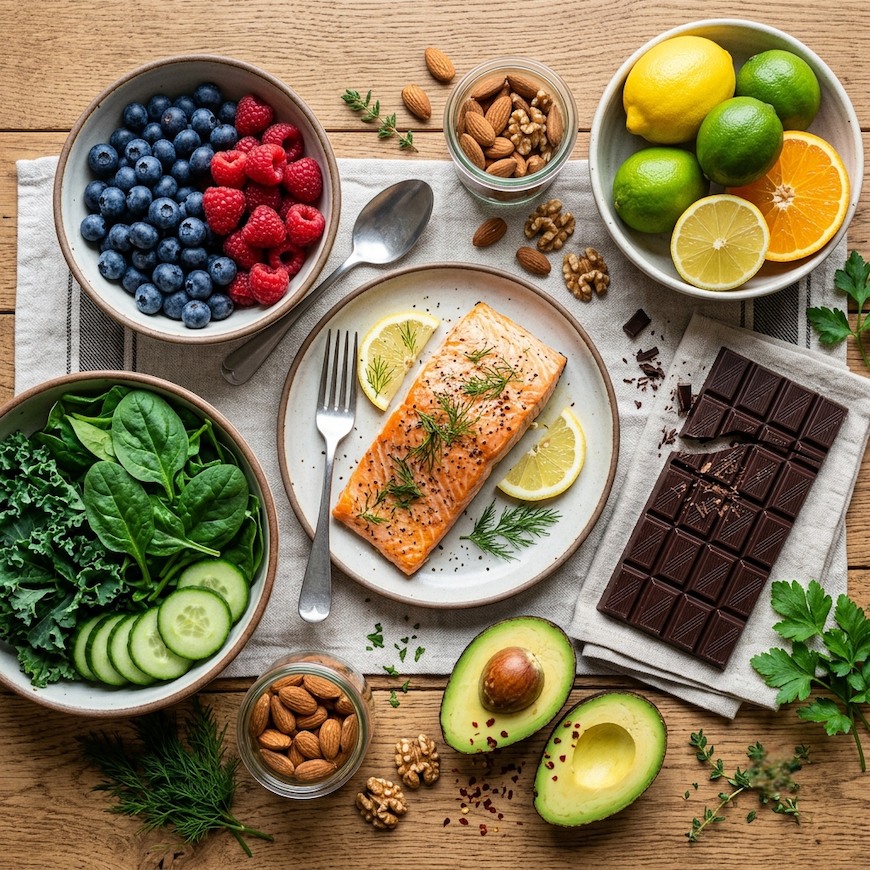
What Are the Best Mood-Boosting Foods?
Quick Answer: The best mood-boosting foods are fatty fish, berries, dark chocolate, fermented foods, leafy greens, oats, eggs, bananas, seeds, and walnuts. These mood-boosting foods lift serotonin and dopamine through the gut-brain axis, omega-3 fatty acids, a steady tryptophan supply, and nutrients like magnesium, folate, and B vitamins that the body needs to build neurotransmitters. Your diet shapes brain chemistry in a literal, measurable way, which is why mood-boosting foods are worth taking seriously.
What you eat today changes how your brain works tomorrow. The brain burns through roughly 20% of your daily calories, and every neurotransmitter it makes, from serotonin to dopamine to norepinephrine, gets built out of nutrients your diet either supplies or doesn’t, which is the whole premise behind mood-boosting foods.
Nutritional psychiatry is one of the fastest-growing corners of mental health research. A 2017 randomised controlled trial in BMC Medicine (the SMILES trial, Jacka et al.) found that dietary change on its own put 32% of people with major depression into remission, against 8% in the social support control group. That is a big number for an intervention that amounts to swapping in mood-boosting foods.
This article walks through the ten best-supported mood-boosting foods you can buy, why they work at the level of brain chemistry, and how to fit them into a normal week of eating.
How Nutritional Psychiatry Reframes the Food-Mood Connection
Quick Answer: Nutritional psychiatry studies how eating patterns affect mental health at the clinical level. Mediterranean-style eating built on mood-boosting foods like vegetables, fish, legumes, and olive oil is tied to roughly 25-35% lower rates of depression and anxiety. The SMILES trial was the first randomised controlled trial to show diet working as a treatment for major depression, with a 32% remission rate over 12 weeks.
“Eat well, feel better” is too vague to act on, and it doesn’t tell you which mood-boosting foods matter. Nutritional psychiatry asks a sharper question: how do specific mood-boosting foods, through their macronutrients, micronutrients, and effect on your gut microbiome, change neurotransmitter production, neuroinflammation, and levels of brain-derived neurotrophic factor (BDNF), the protein that keeps neurons growing and repairing.
The SMILES trial (Supporting the Modification of lifestyle In Lowered Emotional States), published by Jacka et al. in BMC Medicine, was the first randomised controlled trial to test diet as a standalone depression treatment. Sixty-seven adults with major depression got either dietary counselling on a Mediterranean pattern or a social support protocol. After 12 weeks, 32.3% of the diet group reached remission compared with 8% of the control group, and their depression scores on the MADRS scale dropped by about 11 points.
Three mechanisms cover most of why mood-boosting foods work:
- Neurotransmitter precursors. Serotonin is built from tryptophan, dopamine from tyrosine. Your body can’t make these out of nothing, so they have to come from food.
- Neuroinflammation. Chronic low-grade inflammation, often driven by diet, tracks closely with depression. Omega-3 fats, polyphenols, and fermented foods bring inflammatory cytokines down.
- BDNF. Omega-3s (especially DHA), curcumin, and exercise raise BDNF, which supports neuroplasticity. BDNF runs low in depression.
The Gut-Brain Axis: Why Your Stomach Has a Say in Your Mood
Quick Answer: The gut-brain axis is a two-way communication network linking the enteric nervous system, sometimes called your “second brain,” with the central nervous system through the vagus nerve. Around 95% of your serotonin is made in the gut rather than the brain. Gut health and mood are hard to separate, and most mood-boosting foods work here first, and a disrupted microbiome (dysbiosis) shows up again and again in people with depression and anxiety.
The gut-brain axis reshaped how researchers think about mood disorders, and it explains why so many mood-boosting foods start in the gut. The enteric nervous system, about 500 million neurons lining the digestive tract, talks to the brain through the vagus nerve, trading neurotransmitters and inflammatory signals in both directions.
Here’s the number that explains why mood-boosting foods matter so much: roughly 95% of serotonin is made in enterochromaffin cells in the gut, not in the brain. Gut microbes help regulate serotonin, GABA, dopamine precursors, and the short-chain fatty acids that cross into the brain.
A 2012 review by Cryan and Dinan in Nature Reviews Neuroscience (PMID 22968153) laid out the case that a disrupted gut microbiome turns up consistently in depression and anxiety, and that rebuilding microbial diversity tends to move mood markers in the right direction.
What wears the gut-brain axis down:
- Ultra-processed foods and excess added sugar, which thin out microbial diversity
- Repeated antibiotic courses with no probiotic support
- High cortisol from chronic stress, which loosens the gut barrier
What builds it back up, and where most mood-boosting foods earn their place:
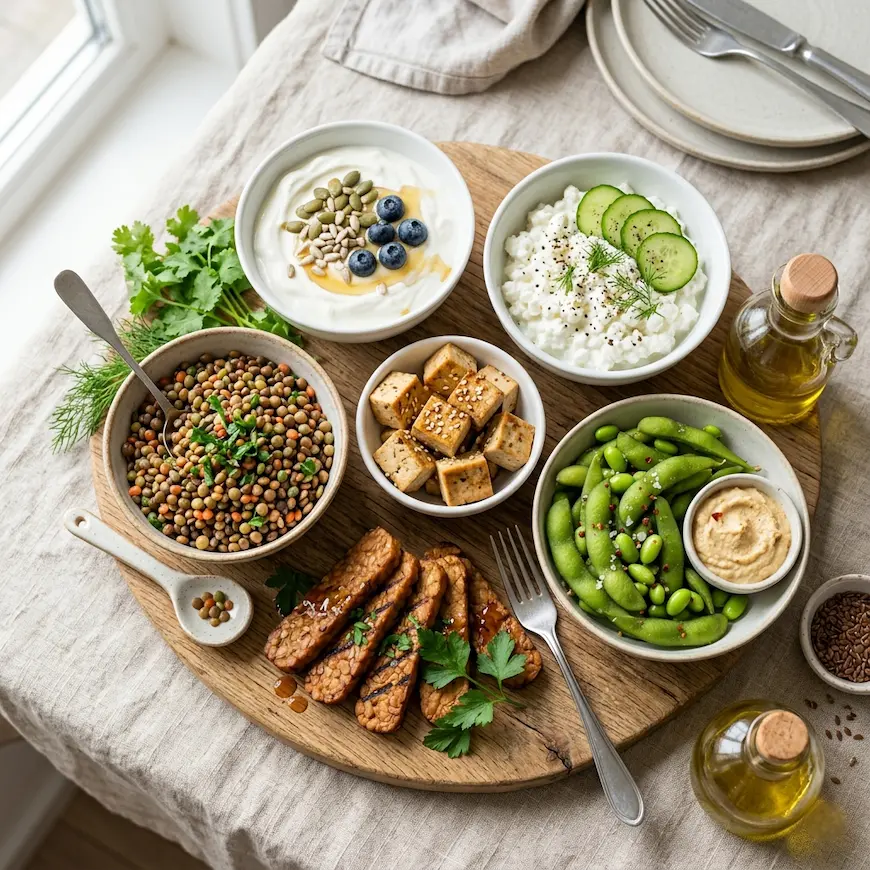
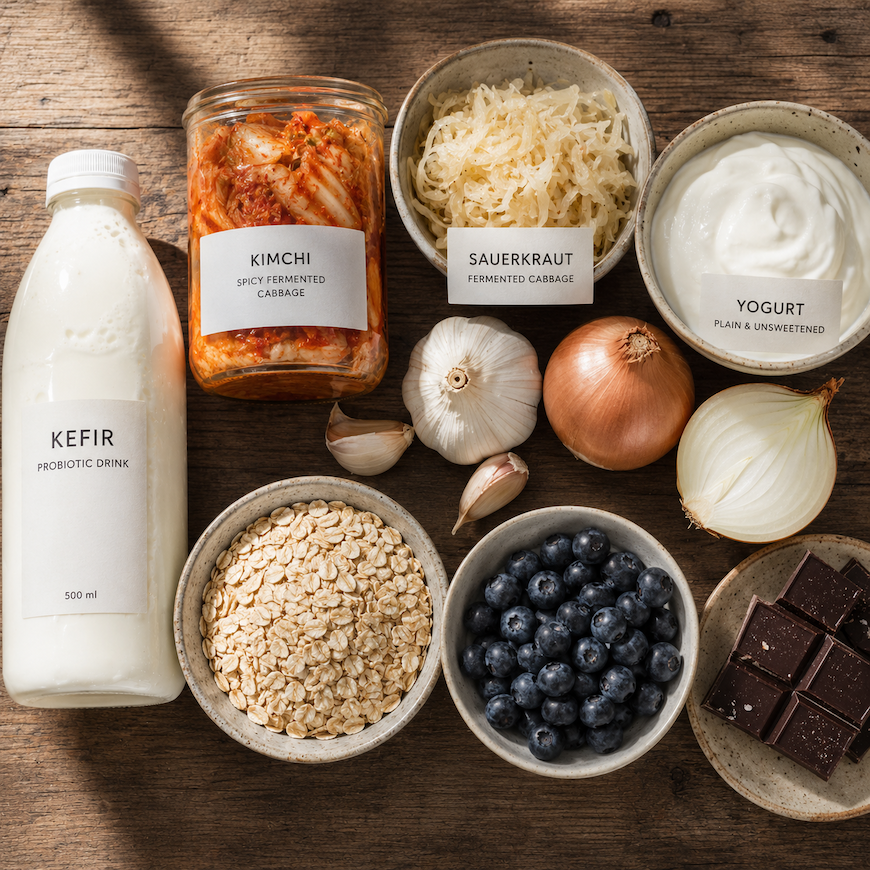
- Fermented foods like kefir, kimchi, sauerkraut, and kombucha
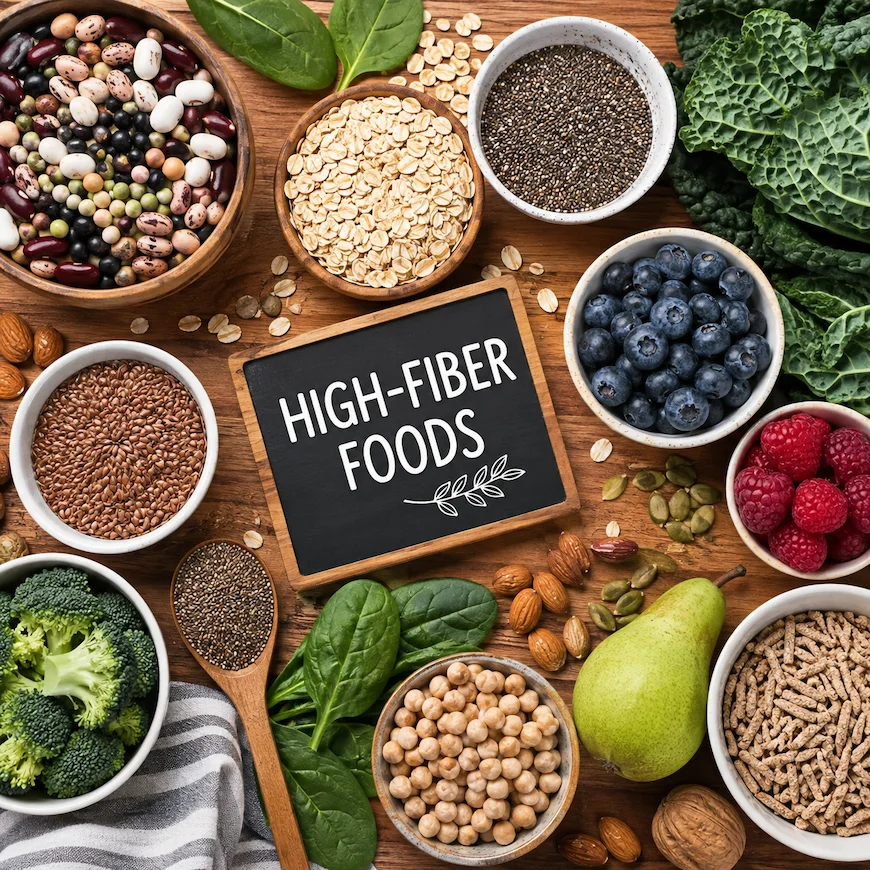
- Prebiotic fibre from oats, garlic, onions, bananas, and asparagus
- Polyphenol-rich foods like berries, dark chocolate, and green tea
Berries and Flavonoids: The Quickest Mood Lift on Your Plate
Quick Answer: Berries rank among the fastest-acting mood-boosting foods, loaded with anthocyanins, flavonoids that cross the blood-brain barrier, calm neuroinflammation, improve blood flow to the brain, and support BDNF. Among foods for depression, blueberries have the deepest evidence base. Frozen berries keep about 90-95% of their anthocyanins, so they work as a cheaper year-round option.
Blueberries, strawberries, raspberries, and blackberries are some of the most studied mood-boosting foods in brain health. The mechanism is direct: the anthocyanins in these mood-boosting foods cross the blood-brain barrier and act on several pathways at once.
In the brain, the anthocyanins in these mood-boosting foods:
- Slow monoamine oxidase (MAO), the enzyme that breaks down serotonin and dopamine
- Lower inflammatory cytokines like IL-6 and TNF-alpha that track with depression
- Improve blood flow to the hippocampus and prefrontal cortex
- Nudge BDNF expression upward
Fernando Gomez-Pinilla’s review in Nature Reviews Neuroscience (PMID 18568016) pulled together evidence across animal and human studies that diet shapes cognition and mood, with omega-3 fats and polyphenol-rich foods among the nutrients with the strongest support.
A few practical notes on getting these mood-boosting foods into your day:
- A cup of blueberries gives you roughly 163 mg of anthocyanins
- Frozen berries hold onto about 90-95% of that compared with fresh
- Pair berries with yogurt or oats and you feed the gut and the brain in the same bowl
Fatty Fish, Eggs, and Omega-3s: Building a Depression-Resistant Brain
Quick Answer: About 60% of the brain is fat, and DHA, an omega-3 found almost only in fatty fish and algae, is the most important structural fat in neuron membranes. Among mood-boosting foods, the omega-3 and depression research is the largest: populations eating the most fatty fish run 25-35% lower rates of depression, and EPA at 1-2g a day eases depressive symptoms about as well as some antidepressants in mild-to-moderate cases.
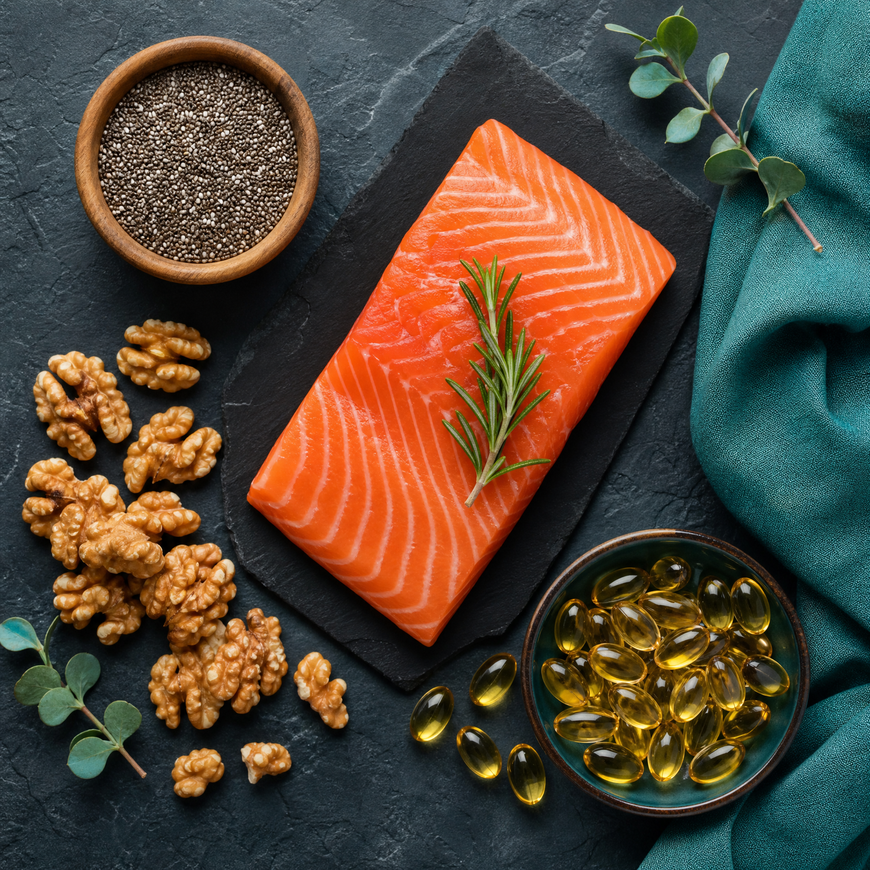
The single most useful fact behind fishy mood-boosting foods: by dry weight the brain is roughly 60% fat, and the most important of those fats is docosahexaenoic acid (DHA), an omega-3 you’ll find almost only in fatty fish and algae, which puts oily fish near the top of any list of mood-boosting foods. Without enough DHA, neuron membranes stiffen and receptors stop working as well.
Best dietary sources of omega-3s among mood-boosting foods:
| Food | Omega-3 Content (DHA+EPA) | Serving |
|---|---|---|
| Atlantic mackerel | 2,600 mg | 3 oz |
| Wild salmon | 1,800-2,200 mg | 3 oz |
| Sardines (canned in oil) | 1,400 mg | 3 oz |
| Anchovies | 951 mg | 2 oz |
| Walnuts | 2,570 mg (ALA only) | 1 oz |
| Chia seeds | 5,060 mg (ALA only) | 1 oz |
Eggs and choline. Eggs get left out of most mood-boosting foods lists, which is a shame. One large egg has about 150 mg of choline, the precursor to acetylcholine, which is involved in memory, mood, and focus. Eggs also carry vitamin B12 and vitamin D, both linked to higher depression risk when they run low. Four to six eggs a week alongside two or three servings of fatty fish is a reasonable target.
Fermented Foods and Probiotics: Feeding the Second Brain
Quick Answer: Fermented mood-boosting foods like kefir, kimchi, sauerkraut, miso, Greek yogurt, and kombucha bring live beneficial bacteria into the gut, improving microbiome diversity and tightening the gut barrier. The probiotics and mental health link is real: a 2021 Stanford study in Cell found that a high-fermented-food diet lowered inflammatory cytokines tied to depression within 10 weeks.
A 2021 Stanford study in Cell (Wastyk et al., PMID 34256014) put adults on a high-fermented-food diet for 10 weeks and saw their microbiome diversity climb and inflammatory markers fall, including IL-6, which runs high in clinical depression. The fermented-food group gained more diversity than a high-fibre comparison group.
The fermented mood-boosting foods with the best track record:
Kefir carries 30-plus strains of beneficial bacteria, a higher bacterial density than most yogurts, and GABA-producing Lactobacillus rhamnosus.
Kimchi, fermented cabbage with Lactobacillus plantarum, shows up in Korean population studies linked to lower anxiety scores.
Greek yogurt, the full-fat unsweetened kind with “live active cultures” on the label, also supplies tryptophan and protein.
Miso, the Japanese fermented soybean paste, brings Aspergillus oryzae along with B vitamins and zinc.
Sauerkraut, traditional fermented cabbage, is heat-sensitive, so eat it cold to keep the cultures alive. It also has vitamin K2 and short-chain fatty acids.
A simple way to add these mood-boosting foods: eat one fermented food a day and rotate them for variety. Eating them with prebiotic fibre, think garlic, oats, or bananas, feeds the bacteria you’re trying to establish.
Tryptophan-Rich Foods: The Serotonin Supply Line
Quick Answer: Tryptophan is the amino acid your body turns into serotonin, and it has to come from food. The top tryptophan-rich mood-boosting foods include pumpkin seeds, turkey, eggs, oats, bananas, and dark chocolate. The trick most people miss: pairing tryptophan with complex carbohydrates helps it reach the brain by clearing competing amino acids out of the way at the blood-brain barrier.
Here’s the counterintuitive part about serotonin-focused mood-boosting foods. Eating tryptophan on its own doesn’t reliably raise brain serotonin. Tryptophan has to compete with other large neutral amino acids for transport across the blood-brain barrier, and in a high-protein meal it usually loses.
The fix is to pair tryptophan-rich foods with complex carbs, which is the quiet rule behind most mood-boosting foods aimed at serotonin. Carbohydrates trigger insulin, insulin clears the competing amino acids out of the bloodstream, and tryptophan gets a cleaner run at the brain. That’s the actual physiology behind craving carbs when you’re stressed or low: the body is reaching for the tryptophan-insulin pathway.
Tryptophan content in common mood-boosting foods:
| Food | Tryptophan (mg per 100g) |
|---|---|
| Pumpkin seeds | 576 mg |
| Turkey breast (cooked) | 404 mg |
| Chicken breast (cooked) | 342 mg |
| Oats (raw) | 182 mg |
| Eggs (whole) | 167 mg |
| Dark chocolate (70%) | 67 mg |
| Banana | 13 mg (high B6 amplifies conversion) |
Bananas are worth a closer look. Their tryptophan content is modest, but they’re rich in vitamin B6, the cofactor that turns tryptophan into 5-HTP and then into serotonin. Run low on B6 and the conversion stalls no matter how much tryptophan you eat. Bananas also bring potassium and magnesium for nerve signalling, which is why they show up on so many mood-boosting foods lists.
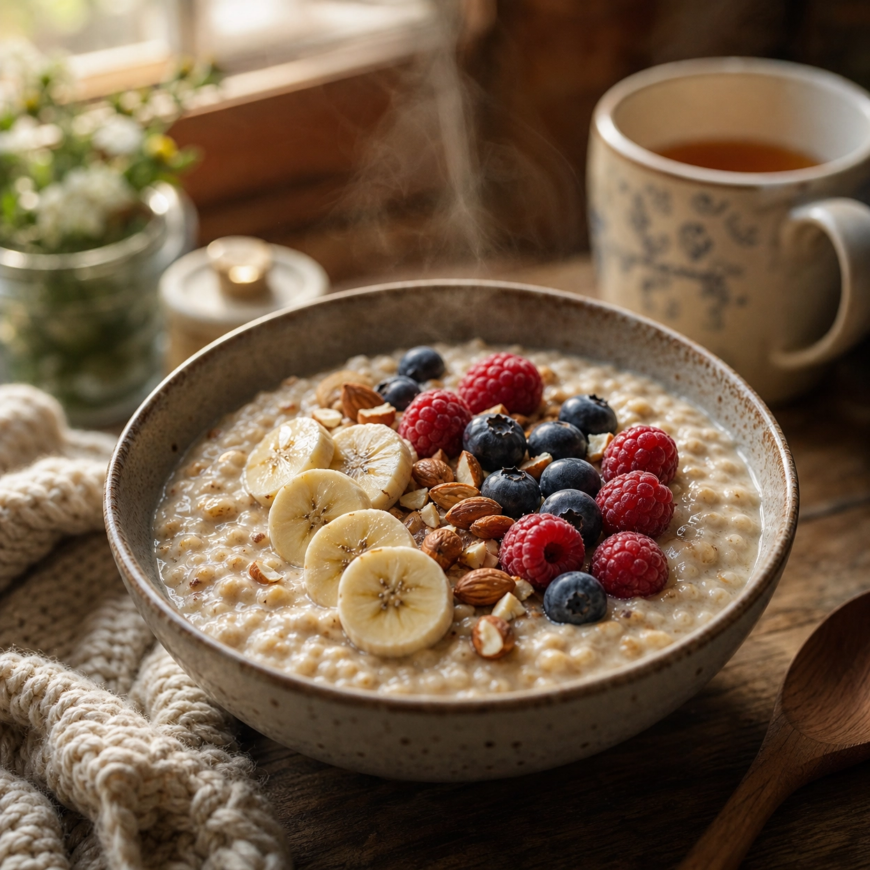
Oats carry tryptophan, B vitamins, beta-glucan prebiotic fibre, and a low glycemic index for steady blood sugar, which makes them one of the more complete mood-boosting foods you can put on a breakfast table.
Dark Chocolate, Magnesium, and the Anxiety-Calming Combination
Quick Answer: Dark chocolate is one of the rare mood-boosting foods that feels like a treat: at 70% cocoa or higher it brings phenylethylamine (a natural mood lift), theobromine (a gentle stimulant), epicatechin and catechin flavonoids that support blood flow to the brain, and about 64 mg of magnesium per ounce. The magnesium and anxiety research points the same way: 300-400 mg a day eases symptoms in anxious adults, and an estimated 45-50% of Americans fall short of the recommended intake.
Dark chocolate is one of the rare mood-boosting foods that doubles as a rich source of magnesium, with about 64 mg in an ounce of the 70% kind, roughly 15% of the daily value. Magnesium quiets NMDA glutamate receptors involved in the stress response, dampens cortisol, and is needed to turn tryptophan into serotonin.
A 2017 systematic review in Nutrients (Boyle et al., PMID 28445426) found the evidence suggestive of a benefit from magnesium on subjective anxiety in people already prone to it, while noting the quality of that evidence is still poor and better trials are needed. NHANES data puts 45-50% of US adults below the recommended daily intake.
Beyond magnesium, this entry on the mood-boosting foods list offers:
- Phenylethylamine (PEA), which prompts endorphin and dopamine release, the same compound tied to the rush of falling in love
- Theobromine, a mild stimulant that sharpens focus without spiking cortisol
- Epicatechin and catechin, flavonoids that raise blood flow to the brain and cut oxidative stress in neurons
Other mood-boosting foods rich in magnesium: pumpkin seeds (168 mg/oz), dark leafy greens, almonds (80 mg/oz), and black beans.
Leafy Greens, Complex Carbs, and Folate: Dopamine’s Foundation
Quick Answer: Leafy greens are foundational mood-boosting foods: spinach, kale, Swiss chard, and arugula top the list of folate sources, a B vitamin the body needs to make dopamine and serotonin through methylation. Folate runs low in 15-38% of people with depression. Complex carbohydrates keep blood glucose steady and head off the energy crashes that feed irritability and low mood.
Spinach, kale, Swiss chard, and arugula are among the richest folate sources on any list of mood-boosting foods (folate is vitamin B9). Folate works as a methyl donor in methylation, the process that converts homocysteine to methionine and lets the body synthesise both serotonin and dopamine. Without enough folate, those pathways stall.
Folate in common leafy-green mood-boosting foods:
- 1 cup cooked spinach: 263 mcg (66% of the daily value)
- 1 cup cooked kale: 19 mcg
- 1 cup raw romaine: 64 mcg
Complex carbs finish the mood-boosting foods picture. Oats, quinoa, sweet potatoes, lentils, and whole-grain bread release glucose over three to five hours, which keeps blood sugar level. Drop below 70 mg/dL and the body releases cortisol, which brings irritability, anxiety, and trouble concentrating. Steady blood sugar is a precondition for steady mood, and it comes from how you build a meal, not from willpower.
If you’re also targeting neuroinflammation, curcumin from turmeric raises BDNF and lowers inflammatory cytokines, and it has shown antidepressant effects in several small trials.
Read also: 12 Anti-Inflammatory Foods: Evidence-Based List + Meal Plan
Your 7-Day Mood-Boosting Meal Plan
Quick Answer: A 7-day plan of mood-boosting foods leans on fatty fish two or three times a week, one fermented food a day, leafy greens daily, and berries or dark chocolate every day. That covers the nutrients mood depends on, from DHA and EPA to tryptophan, folate, B6, magnesium, flavonoids, and probiotics, using everyday ingredients and no extra prep time.
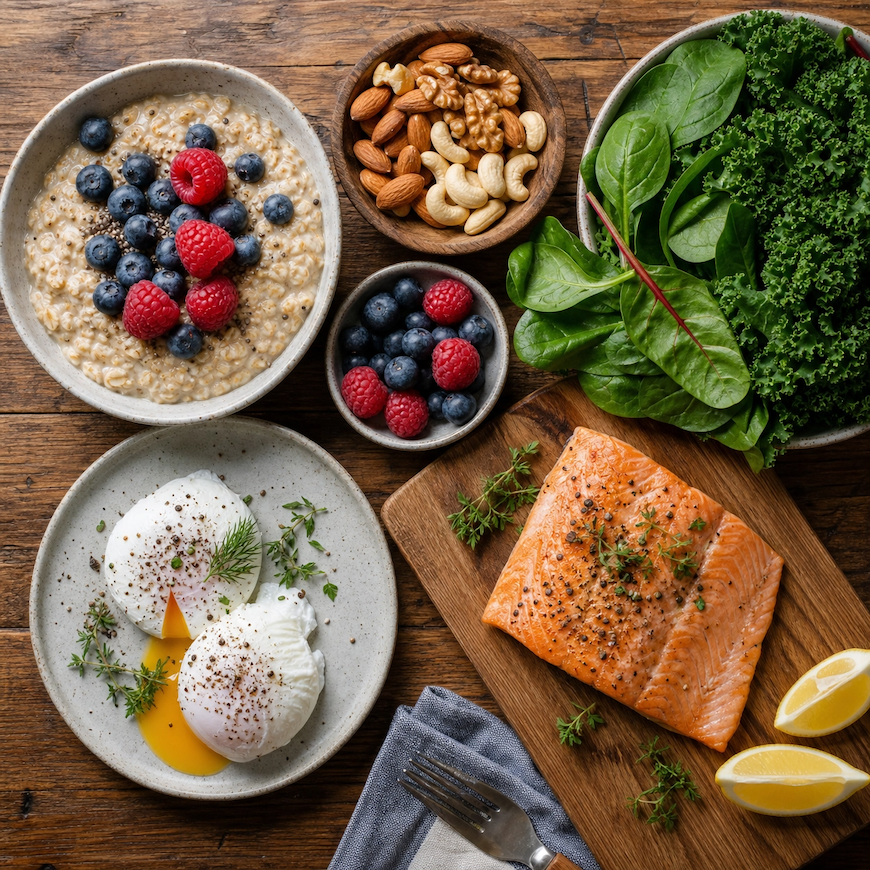
The point of this mood-boosting foods plan is coverage, not perfection. Get fatty fish in twice this week. Add one fermented food a day from the mood-boosting foods above. Put berries and other mood-boosting foods in breakfast. Work leafy greens into lunch or dinner. That structure delivers the nutrient base the research keeps pointing back to, and it builds a week around mood-boosting foods without much effort.
7-Day Mood-Boosting Meal Plan
| Day | Breakfast | Lunch | Dinner | Snack |
|---|---|---|---|---|
| Monday | Overnight oats + blueberries + chia seeds + walnuts | Spinach salad + salmon + avocado | Kimchi fried rice + edamame | Dark chocolate (1 oz) |
| Tuesday | Scrambled eggs + sauteed kale + whole-grain toast | Greek yogurt + pumpkin seeds + raspberries | Baked mackerel + sweet potato + broccoli | Banana + almond butter |
| Wednesday | Kefir smoothie + banana + frozen mango | Quinoa bowl + chickpeas + arugula + olive oil | Turkey stir-fry + bok choy + brown rice | Blueberries |
| Thursday | Oatmeal + flax seeds + strawberries + 1 tsp cacao | Sardine salad wrap + romaine + mustard | Miso soup + tofu + spinach + soba noodles | Walnuts (1 oz) |
| Friday | Greek yogurt + granola + mixed berries | Lentil soup + kale salad | Pan-seared salmon + asparagus + quinoa | Dark chocolate + pumpkin seeds |
| Saturday | Avocado toast (whole grain) + poached egg + sauerkraut | Smoked salmon grain bowl + fermented pickles | Chicken + roasted sweet potato + steamed spinach | Kefir (small glass) |
| Sunday | Overnight chia pudding + raspberries + almond milk | Tuna salad + mixed greens + avocado | Grass-fed beef + broccoli + mashed sweet potato | 70% dark chocolate square |
Frequently Asked Questions
How long does it take for dietary changes to affect mood?
It depends which of the mood-boosting foods you lean on and the mechanism involved. Gut microbiome shifts show up within one to two weeks of steady fermented food and prebiotic fibre. Omega-3 levels in cell membranes take four to eight weeks of consistent fish or supplementation to normalise. Correcting a magnesium shortfall often eases anxiety within two to four weeks. The full effect of a Mediterranean-style pattern on mood usually takes 8 to 12 weeks, in line with the SMILES trial.
What foods should you avoid for better mood?
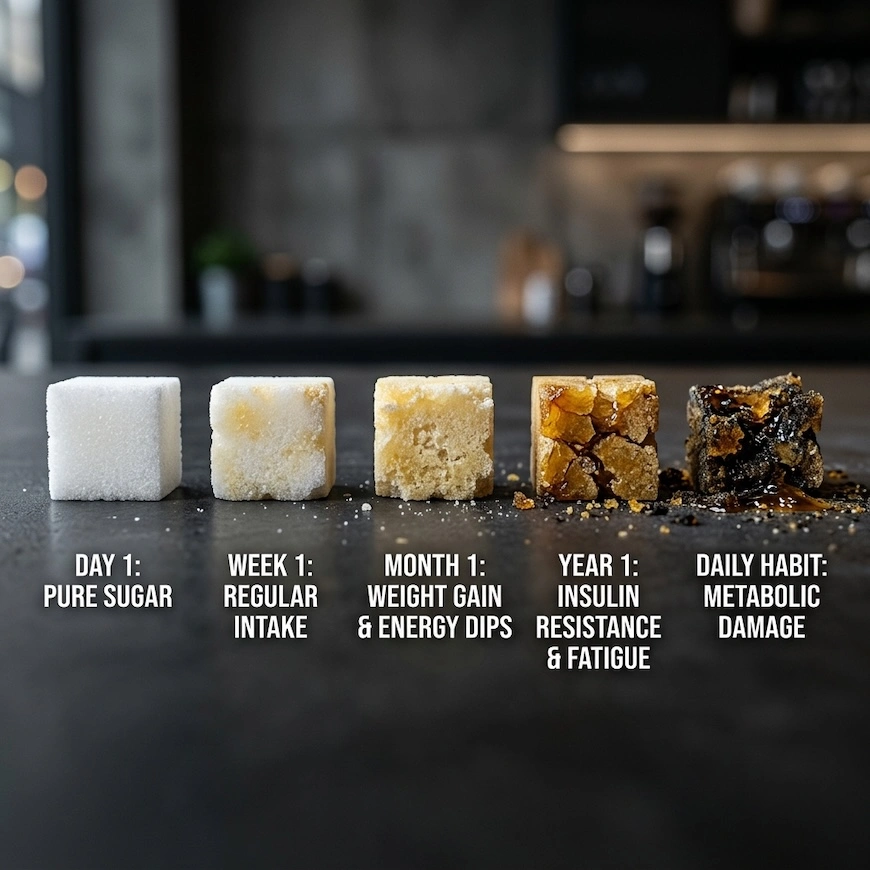
Ultra-processed foods, meaning packaged snacks, fast food, and sugary drinks, are the mirror image of mood-boosting foods and have the most consistent evidence of harm. They swing blood sugar, loosen the gut barrier, thin out microbial diversity, and stoke neuroinflammation. Alcohol works against your mood-boosting foods as a central nervous system depressant that disrupts serotonin and sleep. Excess refined sugar specifically lowers BDNF in the hippocampus.
Is there a connection between vitamin D and mood?
Yes. Vitamin D receptors sit throughout the brain, and vitamin D plays a role in serotonin synthesis. Meta-analyses consistently link low serum 25-hydroxyvitamin D, below 20 ng/mL, with higher rates of depression. In northern latitudes with thin winter sun, mood-boosting foods may not be enough and supplementation at 1,000-2,000 IU a day is widely recommended. Mood-boosting foods that supply it include fatty fish, egg yolks, and fortified products.
Can magnesium help with anxiety?
The evidence leans yes, with caveats. The 2017 Nutrients review by Boyle and colleagues found the data suggestive of a benefit on subjective anxiety in people already prone to it, while flagging that the studies so far are low quality. Magnesium regulates NMDA glutamate receptors tied to the stress response, dampens cortisol reactivity, and is needed for serotonin synthesis. Shortfalls affect an estimated 45-50% of Americans. Best food sources: pumpkin seeds, dark chocolate, spinach, almonds, and black beans. Best supplement forms: magnesium glycinate or magnesium threonate.
Do probiotics improve mental health?
The psychobiotic evidence is fairly consistent. The 2021 Stanford study in Cell found a high-fermented-food diet raised microbiome diversity and lowered inflammatory cytokines, IL-6 among them, after 10 weeks. Beyond fermented mood-boosting foods, meta-analyses of probiotic supplements show modest but statistically significant drops in depression and anxiety scores. The best-supported strains are Lactobacillus acidophilus, L. rhamnosus, Bifidobacterium longum, and B. bifidum, found in kefir, Greek yogurt, and good multi-strain supplements.
This article is for general information and isn’t medical advice. If you have a diagnosed mental health condition or take medication, talk with a qualified healthcare provider before making major dietary changes or starting supplements.

Mimo Karam is the founder and writer at LifestyleMine. She writes about daily habits, nutrition, sleep, and emotional wellness, turning research into practical advice for people who want to live healthier without making it complicated.