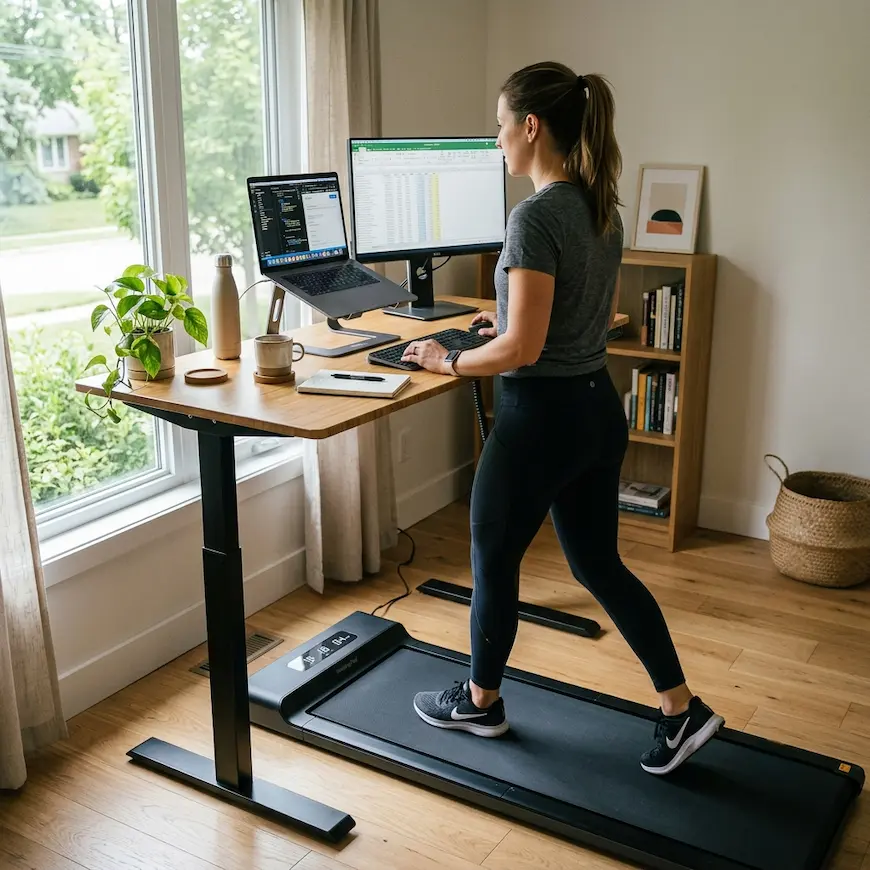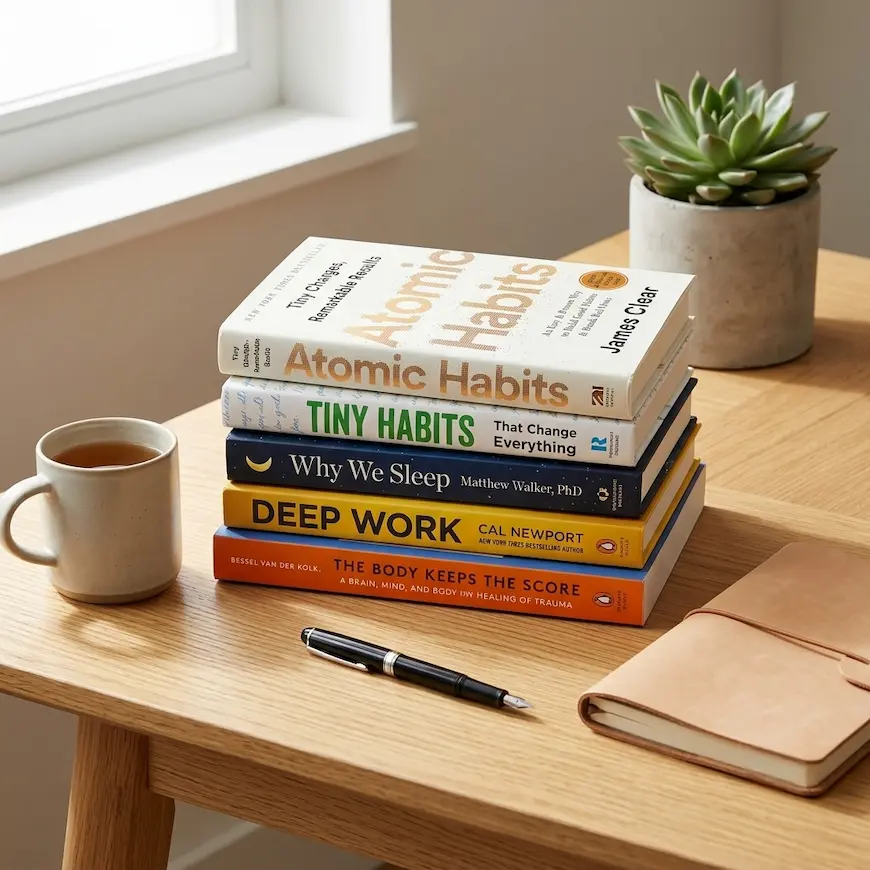
I used to build the kind of habit lists that felt great to write and impossible to live with. Wake at 5:30. Gym. Meditation. Journal. Gratitude. Cold shower. Healthy breakfast. Three liters of water before noon. Every January, the same sprawling document. Every February 10th or so, the same quiet collapse.
What finally worked wasn’t a better plan. It was a smaller one.
Micro habits are habits so small they feel almost embarrassing to talk about. Floss one tooth. Read one page. Put on your workout clothes (you don’t even have to work out). I know how that sounds. I’d have rolled my eyes at it too five years ago. But these are the only reason any of the bigger changes in my life have actually stuck.
This is going to be more of a real conversation about micro habits than a tidy how-to, because most tidy how-tos miss the part that actually matters: why they work, and the times they really don’t. There are 12 specific micro habits at the bottom if you just want the list. Skip ahead if you want. I won’t be offended.
What a Micro Habit Actually Is
The cleanest definition I’ve heard: a micro habit is small enough that you can’t talk yourself out of it on the worst day of your year.
Sounds dramatic. It’s the whole point.
The reason most habit plans fail isn’t because you don’t care. It’s because the good intentions get written when you’re rested and motivated, and the follow-through happens at 9:14pm on a Tuesday when you’ve been up since 6, the kids are still awake, and you’re trying to remember whether you ate dinner. In that moment, “30-minute yoga flow” is going to lose. “Stand on one foot for ten seconds while brushing your teeth” is going to win.
A real micro habit has three features:
1. It takes under two minutes. Often under thirty seconds.
2. It’s almost stupid in how small it is. If it doesn’t make you slightly self-conscious to say out loud, it’s still too big.
3. It’s anchored to something you already do every single day.
That last one is the part most articles skip, and it’s the one that actually matters. A floating habit (“I’ll meditate at some point”) has nothing to attach to and disappears within a week. An anchored one (“right after I press start on the coffee maker, I take three deep breaths”) becomes part of the day almost without effort.
BJ Fogg, the Stanford researcher who basically invented the field of tiny habits, calls these anchors. James Clear calls it habit stacking. Whatever you call it, that’s the mechanism. The habit isn’t really the new behavior. The habit is the cue that triggers it.
Why Bigger Habits Fail (Even When You Care)
Here’s the part of habit science nobody really wants to hear.
Motivation is a wave. It rises, it crashes, and it doesn’t ask your permission. The big habit plans people build in early January are designed for the top of that wave. By mid-February the wave is gone and so is the routine. This isn’t a character flaw. It’s a near-universal pattern.
A Harvard Health piece on why behaviors stick makes a similar point: change is most likely when the new behavior requires less willpower, not more. The classic mistake is to design habits assuming we’ll always have the willpower we have on a good day. We won’t.
Micro habits work because they don’t depend on the wave. They’re so small that they cost nothing to do. You can floss one tooth when you have a migraine. You can read one page when you’re heartbroken. You can do one pushup the day after a funeral. And small as they are, they hold the *identity* together. You’re still someone who flosses, reads, moves. That identity is the bridge across hard weeks, and the bridge is what keeps you coming back when the wave comes back.
There’s also a research finding I think about a lot. Researchers at University College London (the Lally study, which gets cited everywhere) found that the average time for a habit to feel automatic is about 66 days, but the range is wild: anywhere from 18 to 254 days. Some habits stick in three weeks. Some take eight months. If you’ve ever tried to “do something for 21 days and it’ll be a habit,” and then quit at day 30 because it still felt hard, that’s why. You weren’t failing. You just had a habit on the longer end of the range, and you bailed before it locked in.
Micro habits solve this in a sneaky way: they’re so easy that 66 days passes before you notice. By the time you notice you’ve been flossing one tooth every night for two months, you’ve often quietly upgraded to flossing all of them, and you didn’t even decide to.
The Two Things That Make a Micro Habit Stick
Honestly, I think it comes down to two things, and almost no one talks about the second one.
Thing one: Anchor it to an existing habit. I covered this above. It’s the most important variable. Choose something you do every day without fail (brushing teeth, making coffee, locking the front door, getting into bed), and slot the new micro habit right next to it.
Thing two – the one no one talks about: Make the finished version small. Not just the starting version.
This is where most “tiny habits” advice falls apart. The standard advice is “start with one pushup, then build up.” Sure. But the build-up is where people quit. The whole magic of micro habits is that they stay small forever if they need to. One pushup, every single morning, for the rest of your life, is genuinely a habit worth keeping. You don’t have to graduate to thirty. The thirty is allowed to come later, or never. The one is the goal.
Letting yourself off the hook from the “build up” pressure is what makes the habit survive the worst months. Some weeks you’ll naturally do more. Some weeks you’ll do exactly the one. Both count.
Related:How to build a healthy routine you actually stick to →
12 Micro Habits I’d Actually Recommend
Some of these are mine. Some are stolen shamelessly from people I trust. None of them require equipment, an app, or buying anything. Pick two or three. Anchor each one to something you already do every day. Ignore the rest.
1. Drink one glass of water before your first coffee
Right next to the coffee machine, glass already filled. You drink it while the coffee brews. That’s it. Hydration is one of the most under-rated levers for energy and mood, and most people are running on a quiet deficit all day. Harvard’s Nutrition Source on hydration is worth a quick read if you’re skeptical.
2. Two minutes of natural light within thirty minutes of waking
Step outside, or stand by a bright window. Don’t check your phone. Just look at the sky for two minutes. This single micro habit anchors your circadian rhythm, which improves your sleep that night, which improves tomorrow’s energy. The whole loop runs off two minutes of morning light.
3. Three slow breaths before opening your laptop
In through the nose. Long, slow exhale. Three of them. The whole thing takes maybe fifteen seconds and it’s the difference between starting work calm and starting work already braced. Anchor: the moment you sit down.
4. One pushup (or one squat) before your shower
Just one. Every morning. I know. But the threshold of “I’m going to start working out tomorrow” is psychologically enormous, and “one pushup” gets you over it. Most days you’ll do five or ten. Some days you’ll do one. Both are wins.
5. Floss one tooth before bed
This one comes from BJ Fogg’s research directly. The point isn’t dental hygiene (obviously). The point is the friction. Once the floss is in your hand and one tooth is done, the cost of doing the rest is essentially zero. Sometimes you do all of them. Sometimes you do the one. Either way, you stayed in the lane.
6. Read one page of a real book before sleep
A page. Not a chapter. If you read more, fine. If you only read the page, also fine. The phone goes on the charger across the room first. This one micro habit has done more for my sleep than any sleep supplement I’ve ever tried.
7. Set out tomorrow’s clothes the night before
This sounds like productivity advice from a 1990s parenting magazine. I don’t care. It still works. Three minutes the night before saves twenty in the morning and removes one decision from a brain that’s not awake yet.
8. Eat one piece of fruit a day, no negotiation
Banana with breakfast. Apple in the bag. Berries on yogurt. Whatever fits. It’s not a diet. It’s not “five servings of fruits and vegetables.” It’s one piece. Once you’re doing one, two or three sometimes happens. The bar stays at one.
9. Send one short message to a friend
Not a long catch-up. Not a planned phone call. One sentence: “Thought of you today, hope you’re okay.” Loneliness compounds quietly, and so does connection. This one micro habit has been the most underrated wellness move I’ve ever added.
10. Sixty seconds of tidying before bed
One minute, timer optional. Wipe a counter, fold a blanket, put away three things. You’re not cleaning the house. You’re closing the loop on the day so tomorrow doesn’t start in chaos.
11. Write down one thing tomorrow
Not a to-do list. Not journaling. One thing that has to happen tomorrow, written on a sticky note or a journal page. Frees your brain from holding it overnight, which (as the Scullin sleep research found) measurably reduces how long it takes you to fall asleep.
12. Stretch one part of your body for thirty seconds
Anywhere. Anytime. Touch your toes for thirty seconds. Roll your shoulders. Twist gently side to side. The body holds so much tension we don’t notice, and thirty seconds of stretch is the kind of micro habit that quietly prevents the back issue you didn’t know was building.
How to Actually Start (The Boring But Important Part)
Pick two. Not five. Definitely not twelve.
For each one, write the cue out loud: “After I do this existing thing, I will do the micro habit.” That sentence is the whole plan.
Then do it for two weeks. Not perfectly. Just keep returning to it on the days you forget. The goal isn’t a perfect streak; the goal is the habit becoming part of how the day already runs.
At the two-week mark, check in honestly. If the habit is showing up on most days, add a third. If it’s still feeling effortful, stay where you are. There’s no prize for adding more.
Most people fail at micro habits for the same reason they fail at every other habit attempt: they get bored with how small it is and try to scale too fast. Resist. Boring and consistent beats ambitious and abandoned every single time.
When Micro Habits Don’t Work (Being Honest)
I want to be straight about this part because most habit articles aren’t.
Micro habits are powerful but they’re not a fix for everything. There are situations where they genuinely won’t carry the weight, and pretending otherwise is how people get disillusioned.
They don’t fix burnout. If you’re in a season where your nervous system is fried and your baseline is empty, no number of tiny anchor habits is going to dig you out. What you need is rest, not optimization. The micro habits will be there when you come back.
They don’t replace medical care. Persistent fatigue, sleep disorders, mood symptoms that won’t lift, chronic pain that keeps coming back – these need a doctor, not a habit list.
They don’t substitute for the harder structural fixes either. You can build a beautiful micro-habit stack and still be in a job that’s eating you alive, a relationship that’s draining you, or a financial situation that’s making good sleep impossible. The habits help you survive those things better. They don’t dissolve them.
LifestyleMine is a wellness platform, not a medical resource. If something feels bigger than what habits can hold, please talk to a qualified professional.
Frequently Asked Questions
How long does it take for a micro habit to become automatic?
The Lally research at UCL found the average is about 66 days, with a range from 18 to 254. The smaller the habit, the faster it locks in. Most micro habits feel automatic within four to eight weeks if you anchor them properly.
Can I do too many micro habits at once?
Yes. The most common mistake. Start with two. Add a third only when those two are showing up without you thinking about it. The whole point of micro habits is sustainability, and sustainability dies when you stack too fast.
What if I forget for a few days?
You haven't broken anything. Just return on the next day. The strength of micro habits is that there's no streak to protect; there's just a habit you're returning to. Forgetting is part of the process, not failure.
Are micro habits backed by research?
Yes. BJ Fogg at Stanford, James Clear's work on habit formation, the Lally study at UCL, and decades of behavioral psychology all support the same finding: small, anchored, easy-to-perform behaviors stick more reliably than bigger, willpower-dependent ones. The science is settled. The hard part is letting yourself believe small is enough.
What’s the single best micro habit to start with?
Probably the morning glass of water, only because it anchors to a habit (making coffee) that almost everyone already does daily, and the payoff (energy, mood, hydration) compounds fast enough that you actually feel the difference. But honestly, the best one is the one that fits *your* day. Pick the micro habit you can imagine doing on your worst Tuesday.
The Takeaway
The longer I live with micro habits, the more I think they’re less about the habits themselves and more about what they teach you. They teach you that consistency beats intensity. That small is enough. That identity holds the days willpower can’t reach.
You don’t need a five-page wellness plan. You don’t need a 5am alarm. You don’t need to overhaul a single thing about your life. You need two anchors and two habits the size of a sneeze, and you need the willingness to let them stay that small for as long as it takes.
Pick two from the list. Anchor them to something you already do. Do them for two weeks badly. That’s the whole start. The rest is just patience, which I know is the least exciting answer, and also the one that’s actually true.
That’s what micro habits really are, when you strip the marketing off them: a slow, quiet way of becoming someone who keeps the small promises they make to themselves. And that’s a much bigger thing than any single habit.
All content on LifestyleMine is for informational and educational purposes only. It is not a substitute for advice from a qualified healthcare professional.

Mimo Karam is the founder and writer at LifestyleMine. She writes about daily habits, nutrition, sleep, and emotional wellness, turning research into practical advice for people who want to live healthier without making it complicated.