✦
THE LIFESTYLEMINE NEWSLETTER
Simple wellness tips, healthy recipes, and
everyday inspiration delivered to your inbox.
Your Email Address
Quick Answer: Whole-food protein snacks beat processed ones on protein-to-calorie ratio, amino acid completeness, and micronutrient content. The top tier is Greek yogurt, cottage cheese, eggs, edamame, and canned tuna. These high protein snacks deliver 14 to 25g protein per 100 calories without the additives, sugar alcohols, or price premium of protein bars.
Snack
Serving
Protein
Calories
Protein/100 cal
Canned tuna (water)
3 oz (85g)
22g
99
22g
Turkey breast slices
2 oz (57g)
10g
60
17g
Plain Greek yogurt (non-fat)
6 oz (170g)
17g
100
17g
Cottage cheese (low-fat)
½ cup (113g)
14g
90
16g
Hard-boiled eggs
2 large
12g
154
8g
Edamame (shelled)
1 cup (155g)
17g
188
9g
String cheese
1 stick (28g)
7g
80
9g
Almonds
1 oz (28g)
6g
164
4g
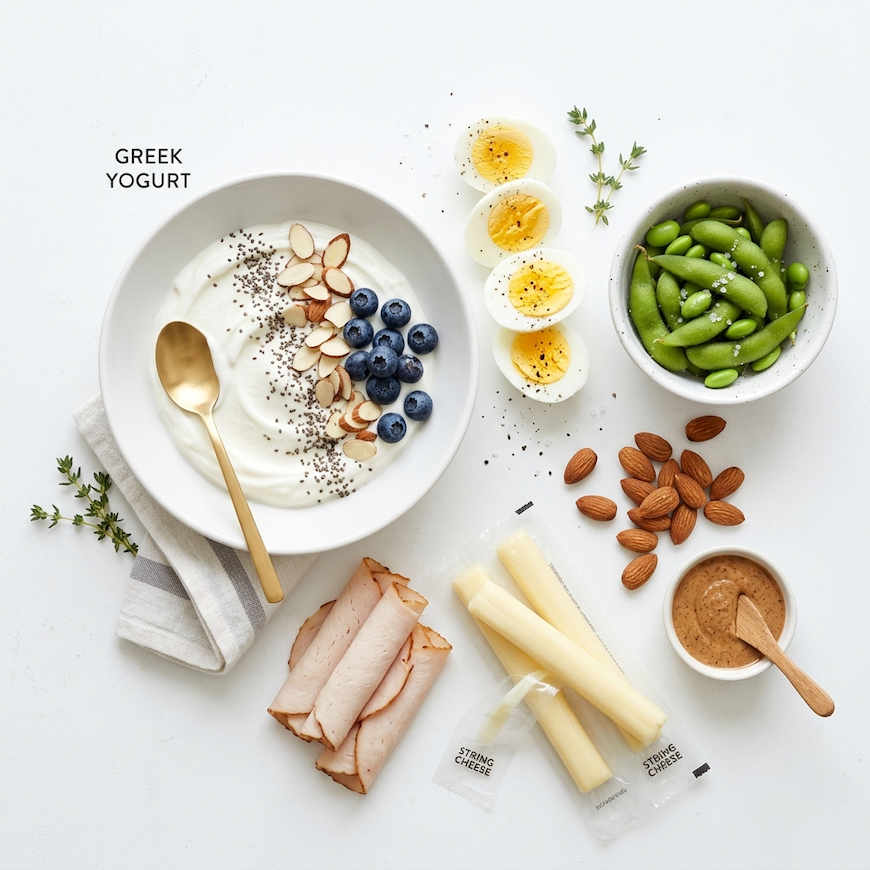
Greek yogurt is the standout among whole-food high protein snacks for protein density, leucine, and convenience. Full-fat versions trade some protein-to-calorie efficiency for added satiety. Buy plain. Flavored Greek yogurts often pack 15 to 25g of added sugar, which flips the macro profile you actually want.
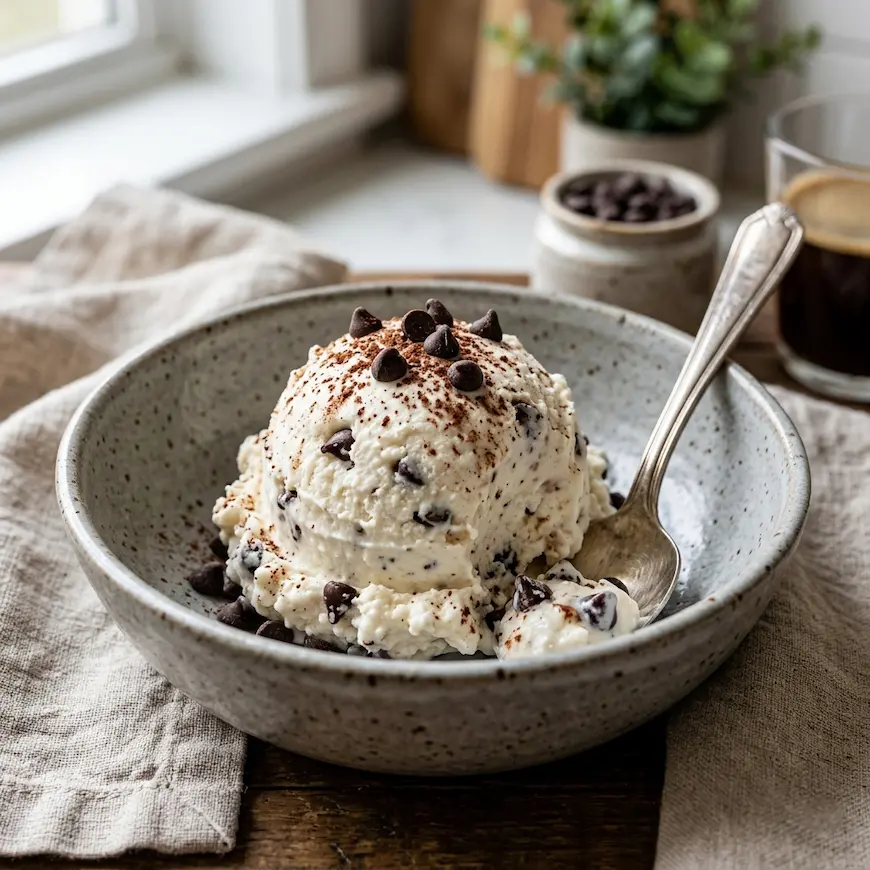
Cottage cheese has quietly become one of the most popular high protein snacks, and for good reason: 14g protein per half cup, a mild flavor that takes sweet or savory toppings, and a lot of casein (slow-digesting protein) that makes it a great pre-sleep snack. A 2016 study (Res et al.) found that 40g of protein before sleep significantly raised overnight muscle protein synthesis, and cottage cheese is the most practical whole-food way to get there. For more on pre-sleep nutrition, see our guide to deep sleep habits .
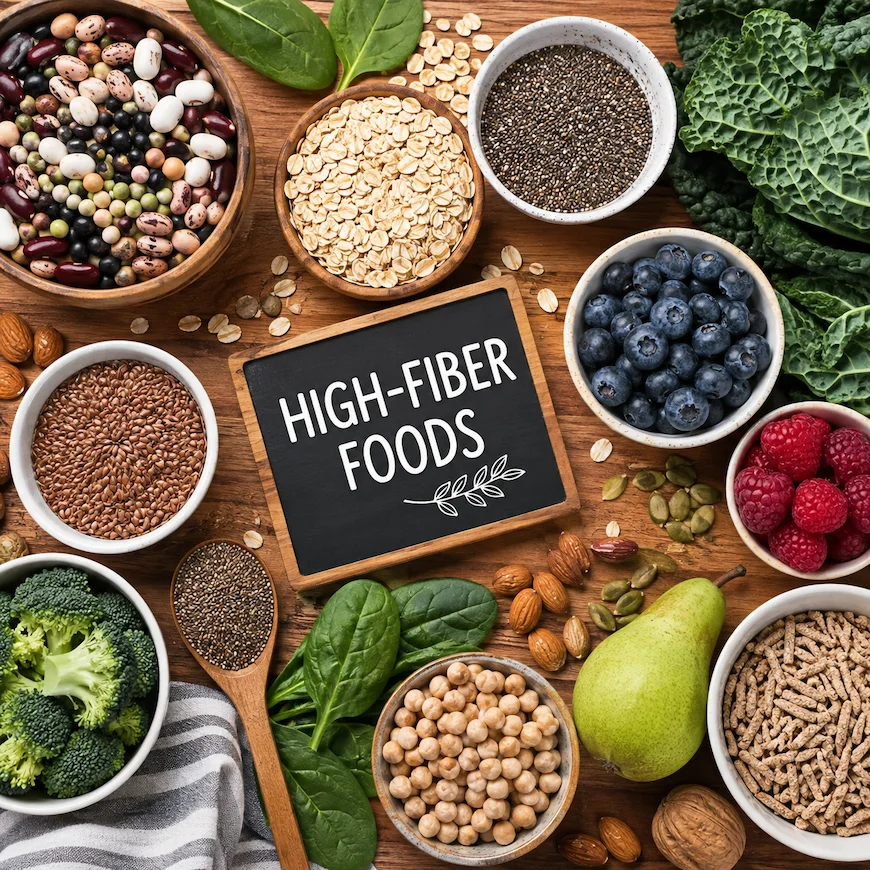
Edamame is the best plant-based pick, a complete protein with all the essential amino acids, which most legumes lack. One cup shelled gives you 17g protein and 8g fiber. Frozen edamame microwaves in 4 to 5 minutes and keeps at room temperature for a couple of hours. The fiber also feeds the gut microbiome, which ties into the same fiber benefits we cover in the health benefits of bananas .
Hard-boiled eggs are still unmatched for portability and protein quality. Most of the protein is in the white; the yolk brings fat-soluble vitamins (D, A, K, B12) and choline. Two eggs give you 12g of complete protein at 154 calories. Batch-cook a dozen on Sunday.
Canned tuna has the highest protein-to-calorie ratio on the list: 22g protein per 99 calories. Light tuna in water (not oil) keeps the density up. Canned salmon and sardines give similar protein plus omega-3 EPA and DHA for an anti-inflammatory bonus. A tin of sardines slots neatly into an anti-inflammatory diet approach to snacking.
Quick Answer: For high protein snacks aimed at weight loss, protein-to-calorie ratio beats raw protein grams. Snacks under 200 calories with 15g or more protein give you the satiety without much caloric cost. Pair them with fiber (vegetables, fruit) to stretch fullness, and skip the ones with added sugar that pile on calories without helping satiety.
Here’s why high protein snacks help with weight loss: protein cuts how much you eat at the next meal more than any other macronutrient. A 2014 meta-analysis in the American Journal of Clinical Nutrition (Dhillon et al.) found that whey protein lowered hunger ratings and later meal intake compared to carb and fat controls.
Weight-loss snack combinations that work:
6oz plain Greek yogurt (17g protein, 100 cal) + ½ cup berries (4g fiber) → about 135 calories, 17g protein
2 hard-boiled eggs (12g protein, 154 cal) + cucumber slices → about 170 calories, 12g protein
3oz canned tuna (22g protein, 99 cal) + cucumber rounds → about 120 calories, 22g protein
½ cup low-fat cottage cheese (14g protein, 90 cal) + tomatoes + black pepper → about 110 calories, 14g protein
1oz almonds (6g protein, 164 cal) + 1 string cheese (7g protein, 80 cal) → about 244 calories, 13g protein (higher calorie but very filling)
What to avoid: protein bars sold for weight loss often run 200 to 300 calories for 12 to 20g protein, a worse ratio than cottage cheese at a fraction of the cost. Read total calories, not just protein grams. A lot of diet protein shakes also use artificial sweeteners whose effects on insulin and the gut microbiome are inconsistent.
Quick Answer: To build muscle, hit the 2 to 3g leucine threshold per snack (about 25 to 30g of complete animal protein) and spread protein over 3 to 4 meals a day. Pre- and post-workout snacks are the highest-leverage windows. Spreading protein evenly across meals beats loading it into one or two big ones.
High protein snacks for muscle building come down to hitting the leucine threshold, not just total protein. Animal sources (dairy, eggs, meat, fish) carry the most leucine per gram. Plant sources can get there, but you need bigger servings.
Top muscle-building picks:
Greek yogurt and whey blend (smoothie): 30 to 35g complete protein in one serving, high leucine from dairyCottage cheese (1 cup) plus fruit: about 28g protein; the casein makes it useful post-workout or pre-sleep, with a slow, sustained amino acid release over roughly 6 hours3 hard-boiled eggs plus turkey slices (1oz): about 24g protein, complete amino acid profile, portableCanned salmon (3oz): about 22g protein plus EPA and DHA that reduce exercise-induced muscle inflammation
Timing: the post-workout anabolic window turned out to be wider than the old “within 30 minutes” rule. A 2013 meta-analysis by Schoenfeld and Aragon found that total daily protein and its distribution matter more than precise timing for most people. A high-protein snack within 2 hours of training is still the practical call. Before a workout, lean on carbs for fuel and save the heavy protein for after.
Quick Answer: The best low-calorie high protein snacks give you at least 15g protein under 150 calories. Whole foods pull this off easily (non-fat Greek yogurt, tuna in water, turkey slices, egg whites), but most packaged protein bars can’t, since they run 180 to 300 calories for 12 to 20g protein.
This table ranks snacks by protein per 100 calories, the real measure of protein efficiency:
Snack
Protein per 100 cal
Calories per serving
Notes
Canned tuna (water)
22g
99 / 3oz
Best overall ratio
Egg whites (cooked)
25g
100 / 3 large
Protein without fat or yolk calories
Non-fat Greek yogurt
17g
100 / 6oz
Add fruit; avoid sweetened
Turkey breast slices
17g
60 / 2oz
Low cost, ready-to-eat
Non-fat cottage cheese
16g
90 / ½ cup
High casein (slow-digesting)
Fat-free string cheese
14g
80 / 1 stick
Convenient, portable
Edamame
9g
188 / 1 cup
Best plant-based option
Quest protein bar
9g
200 / 1 bar
Packaged reference point
The takeaway: among low-calorie high protein snacks, whole foods beat packaged products on density in nearly every comparison. Save the bars and shakes for real convenience, like travel or a post-workout with no kitchen, not a default snack.
Quick Answer: Among packaged options, the best protein bars vary a lot in quality. What to check: protein grams, total calories, added sugar, and protein source (whey and casein beat soy, which beats a plant blend for leucine). Bars with 20g or more protein under 200 calories and under 5g sugar sit at the better end.
For genuine on-the-go situations, these packaged high protein snacks hold up:
Protein bars worth using:
Quest Nutrition bars (20g protein, 180 to 200 cal, 1g sugar): high leucine from a whey and casein blend, fewer sugar alcohols than most competitors, decent fiber. The Chocolate Chip Cookie Dough flavor tastes like dessert without the sugar crash.RXBAR (12g protein, 210 cal, made from egg whites, dates, and nuts): short ingredient list, no artificial additives. Less protein than Quest but very clean macros, and a good pick if you avoid artificial sweeteners.Think! Protein Bars (20g protein, 230 cal): solid ratio with good flavor variety.
Packaged whole-food options:
Jack Link’s Beef Jerky (10g protein per 1oz): portable, shelf-stable, moderate protein density. Watch the sodium, since most jerky runs 450 to 600 mg per serving. Good for travel or long days out.Roasted chickpeas (6g protein, 120 cal/oz): plant-based, shelf-stable, high fiber, and more satisfying as a snack than many protein bars. Biena and HIPPEAS are easy to find.Single-serve almond butter packets (7g protein, 190 cal): pairs well with an apple or banana for a protein-and-carb combo. High calorie density, so mind the portion.
Protein shakes: Premier Protein shakes (30g protein, 160 cal) are the most efficient ready-to-drink option at this protein level. The artificial sweetener formula isn’t for everyone, but the protein-to-calorie ratio is very high.
Quick Answer: Keto-compatible protein snacks stay under 5g net carbs per serving. That rules out most fruit pairings and many bars. The best keto picks: hard-boiled eggs, beef jerky (watch for added sugar), cheese and deli meat, sardines, pork rinds (yes, a complete protein), and nut-based snacks with no added carbs.
For keto-friendly high protein snacks, the aim is high protein and high fat with minimal net carbs:
Snack
Protein
Fat
Net Carbs
Notes
2 hard-boiled eggs
12g
10g
1g
Ideal keto macro ratio
Beef jerky (plain, 1oz)
10g
1g
3g
Check label for added sugars
Cheddar + turkey slices
14g
11g
1g
Zero prep, portable
Sardines (3.75oz can)
22g
12g
0g
Highest omega-3 of any keto snack
Pork rinds (1oz)
9g
5g
0g
Pure protein and fat, surprisingly complete amino profile
String cheese (2 sticks)
14g
10g
2g
Easy, no prep
Keto-friendly protein bars: Quest bars are the main reliable option (4 to 5g net carbs). Most others use dates or oats for texture, which pushes net carbs past keto limits.
Quick Answer: The highest-protein, lowest-cost snacks are almost always homemade. A Sunday batch session (hard-boil a dozen eggs, portion cottage cheese, prep edamame) sets up a week of protein-dense snacks for roughly half the cost of packaged high protein snacks.
5-minute ideas:
Savory cottage cheese bowl: ½ cup cottage cheese + sliced cucumber + cherry tomatoes + everything bagel seasoning → 14g protein, about 120 caloriesTuna cucumber boats: 1 can light tuna drained + Dijon mustard + capers, spooned into cucumber rounds → 22g protein, about 130 caloriesGreek yogurt berry parfait: 6oz plain Greek yogurt + ½ cup mixed berries + 1 tbsp pumpkin seeds → 20g protein, about 180 caloriesEgg white scramble cups (batch): whisk 4 egg whites + diced peppers + spinach, pour into silicone muffin cups, bake at 350°F for 15 minutes, refrigerate → 4 cups, 7g protein each, about 50 calories eachSmoked salmon and cream cheese cucumber rounds: 2oz smoked salmon + 1 tbsp cream cheese on cucumber slices → 14g protein, about 130 calories
Protein bars work as a fallback for genuine inconvenience: travel, post-gym, long workdays. As a daily habit they're an expensive, nutritionally weaker substitute for cottage cheese, Greek yogurt, eggs, or tuna. Among high protein snacks, a 32oz tub of Greek yogurt has more protein than a week of Quest bars at about 20% of the cost. Treat bars as a convenience tool, not a nutritional strategy.
The RDA for protein is 0.8g per kilogram of body weight, but that's the floor to prevent deficiency, not the optimal amount for muscle maintenance or weight management. For active adults the current evidence points to 1.6 to 2.2g per kilogram. Our protein calculator runs the exact number by age, activity level, and goal. Adults over 65 do better at the high end to offset age-related muscle loss (sarcopenia).
No. Eating protein before sleep actually helps overnight muscle protein synthesis. A 2016 study found that 40g of casein 30 minutes before bed raised overnight synthesis rates by 22% versus placebo. Cottage cheese is the most practical whole-food casein source for this. One caveat: skip large, high-fat meals near bedtime, since they can hurt sleep quality. A small 100 to 200 calorie protein snack is fine.
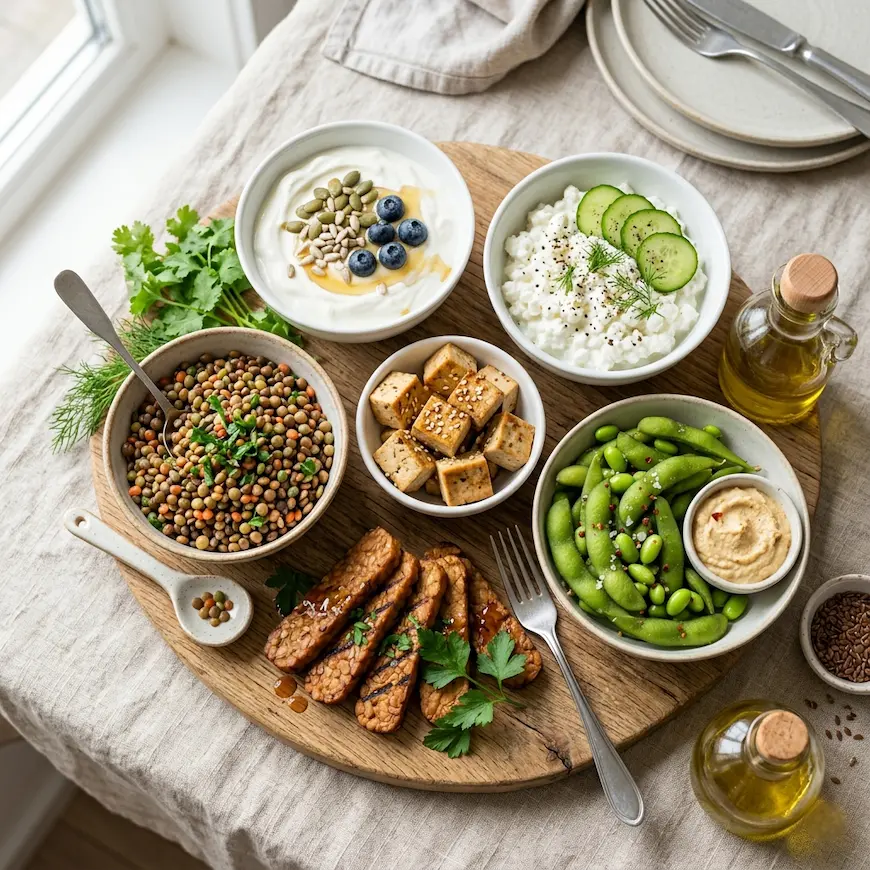
Yes. Plant-based high protein snacks can get you there with attention to protein quality and portion size. Plant proteins are generally lower in leucine than animal proteins, so you need larger servings to hit the 2 to 3g leucine threshold for muscle protein synthesis. The best plant-based options: edamame (17g per cup, a complete protein), roasted chickpeas, hemp seeds (10g per 3 tbsp), pumpkin seeds (7g per 1oz), and plant-based protein shakes (a pea and rice blend is the most leucine-complete plant combination). Soy protein (from edamame, tofu, tempeh) comes closest to animal protein on amino acid completeness.
Not necessarily. Healthy kidneys handle high protein intake without trouble. The "high protein damages kidneys" concern applies specifically to people with pre-existing kidney disease or significantly reduced GFR (glomerular filtration rate). If you have chronic kidney disease, your nephrologist will set a protein target, often restricted to 0.6 to 0.8g/kg, to reduce the nitrogen load on compromised kidneys. Follow your nephrologist's guidance over general recommendations if you have a kidney condition.
Top vegan picks: edamame (17g per cup, the only complete plant protein snack here), roasted chickpeas (6 to 8g per oz), hummus with vegetables (4g per 2 tbsp), pumpkin seeds (7g per 1oz), hemp seeds (10g per 3 tbsp), and vegan protein bars built on pea and rice protein (most deliver 15 to 20g per bar). Greek-style coconut yogurt now reaches 10 to 15g protein per serving in some brands. Tempeh is the most protein-dense vegan whole food (31g per 100g), though it's more of a meal component than a snack.
This article is for informational purposes only. Protein needs vary by individual health status, activity level, age, and medical history. Anyone with kidney disease, phenylketonuria (PKU), or other metabolic conditions affecting protein metabolism should follow their healthcare provider’s dietary guidance rather than general population recommendations.
Mimo Karam is the founder and writer at LifestyleMine. She writes about daily habits, nutrition, sleep, and emotional wellness, turning research into practical advice for people who want to live healthier without making it complicated.