✦
THE LIFESTYLEMINE NEWSLETTER
Simple wellness tips, healthy recipes, and
everyday inspiration delivered to your inbox.
Your Email Address
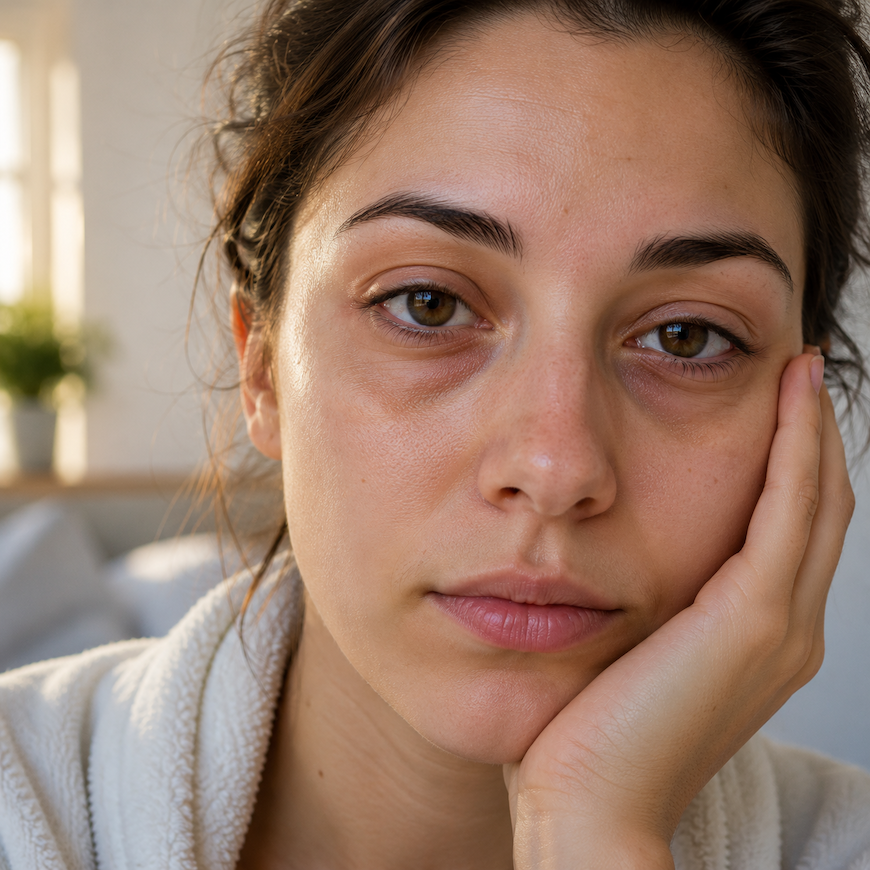
Sodium is the main dietary driver of morning puffiness, and for most people who deal with this regularly, it’s the one foods that cause puffy eyes have in common.
The mechanism is simple. Sodium is an electrolyte your body keeps in tight balance with water. When blood sodium climbs after a salty meal, your body holds onto water to dilute it back to the right ratio. Every extra gram of sodium pulls in roughly 200ml of water, so a single high-sodium meal can add 400 to 800ml.
That water circulates in your bloodstream. Lie flat and it redistributes. By morning, a good chunk has settled into the loose tissue around your eyes, the path of least resistance when you’re lying down. You wake up puffy.
The hidden sodium that does this isn’t the salt shaker on your table. It’s the salt baked into processed and restaurant food as a preservative and flavor booster, usually in amounts you’d never guess. Soy sauce runs about 900mg of sodium per tablespoon. A restaurant sushi meal with soy sauce can hit 2,000 to 3,500mg, near or past the daily limit in one sitting. Canned soups, deli meats, packaged snacks, oversized restaurant portions, and fast food fill in the rest.
The worst sodium offenders are the ones eaten within four hours of sleep, since your body never gets an overnight window to flush it before you go horizontal.
Alcohol is one of the foods that cause puffy eyes that most articles skip, and it works through a completely different route than sodium.
Alcohol blocks ADH, short for antidiuretic hormone (also called vasopressin). ADH tells your kidneys to reabsorb water instead of dumping it. Suppress it and your kidneys flush water harder, which is why a few drinks send you to the bathroom so often.
The trouble shows up the next morning. Once the alcohol clears and ADH switches back on, your body overcorrects for all the water it lost and clamps down into a strong retention phase. It reads dehydration and grabs all the water it can. Add the facial redistribution that happens while you sleep and you get noticeable puffiness the morning after, even from a modest amount.
It gets worse when the drinks come with salty food, which they usually do: chips with wine, fries with beer, restaurant food with cocktails. The sodium drives retention while the alcohol knocks out the hormone that would normally regulate it. Together they’re the most reliable puffiness combo most people never connect.
Sugar and high-glycemic refined carbs are foods that cause puffy eyes through two separate pathways.
The first is inflammatory and slow. A lot of sugar over time drives the formation of advanced glycation end products (AGEs), compounds that form when glucose latches onto proteins. AGEs build up in collagen fibers, including the collagen around your eyes, and make it stiffer and less elastic. Stiffer tissue holds fluid worse, so puffiness reads more easily. This isn’t a one-meal effect, but it’s why a chronically high-sugar diet ages the eye area faster than the rest of the face.
The second pathway is acute. A high-glycemic meal spikes insulin, which triggers pro-inflammatory signaling molecules like interleukin-6 and tumor necrosis factor. Those make blood vessels more permeable, so fluid leaks into surrounding tissue more easily. Around the eyes, that leak turns into puffiness.
The usual suspects are the standard high-glycemic foods: white bread, lots of white rice, pastries, boxed cereals, candy, and soft drinks. They overlap heavily with the foods you’d cut for general health, and the anti-inflammatory foods you’d swap in help the eye area specifically.
Dairy is one of the foods that cause puffy eyes for some people and not others, and the reason is worth understanding.
Lactose intolerance affects 65 to 70% of adults worldwide, which is true, but it causes gut symptoms (bloating, gas, cramping, diarrhea), not eye puffiness specifically. The dairy-puffiness link is a different thing.
Some people mount an inflammatory response to casein, the main protein in cow’s milk, whether or not they can digest lactose. Casein sensitivity is immune-mediated inflammation, not an enzyme shortage, and it can show up around the body, including the eye area. It’s less common and harder to pin down.
There’s a third route too: people sensitive to dairy may release histamine in response to casein. Histamine widens blood vessels and makes them leakier, both of which push fluid into loose tissue. It’s the same mechanism behind allergy puffiness.
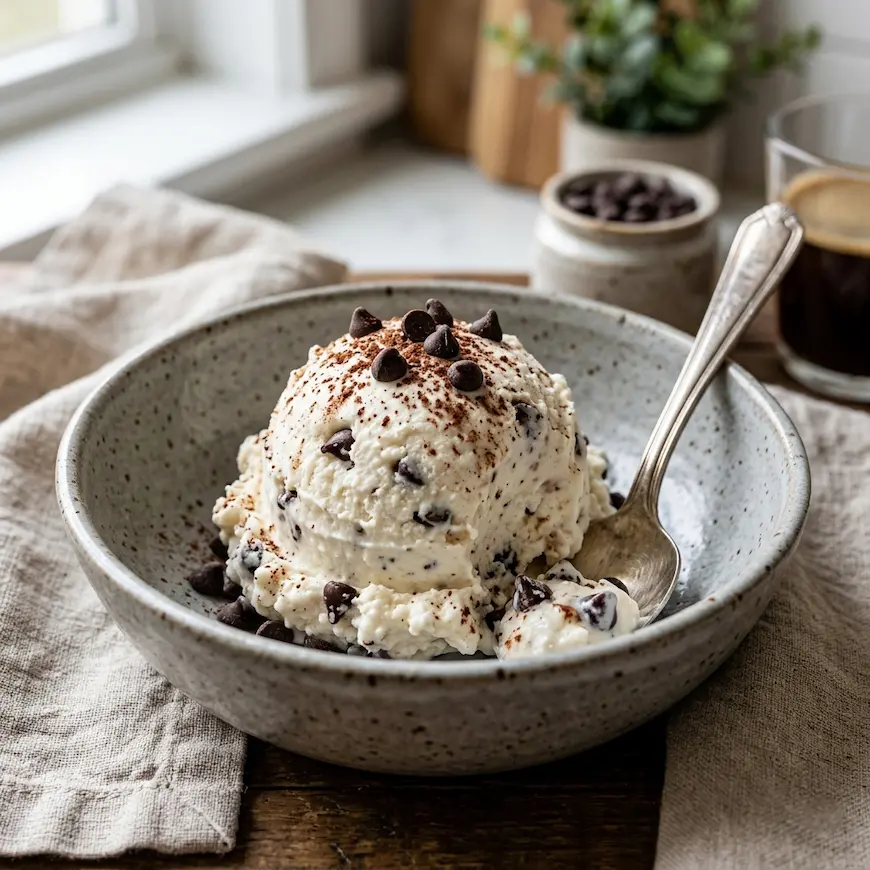
If mornings after heavy dairy (aged cheese, ice cream, lots of milk) leave you puffier, a two to three week elimination trial will tell you a lot. If it fades without dairy and returns when you add it back, the link is real for you.
You’ll often read that tomatoes cause puffy eyes because of solanine. That needs qualifying, because it’s overstated all over the internet.
Solanine is an alkaloid in the nightshade family: tomatoes, eggplant, peppers, potatoes. It’s far more concentrated in unripe, green, or damaged nightshades than ripe ones. A ripe red tomato has barely any.
A small group of people do have real nightshade sensitivity that triggers inflammation, puffy eyes included. That’s individual variation, not a population-wide effect. The research on nightshade inflammation is thin, and the affected group looks small.
If you eat ripe tomatoes regularly without trouble, they almost certainly aren’t a problem for you. If you notice consistent puffiness after nightshade-heavy meals (peppers and eggplant, not just tomatoes), a short elimination trial is a fair test.
For most people, the sodium in tomato-based products (canned tomatoes, paste, pasta sauce, ketchup) is a much more likely culprit than the tomato itself.
Monosodium glutamate (MSG) turns up in restaurant dishes, packaged snacks, seasoning blends, and processed meats. The name gives it away: it contains sodium, and it drives the same sodium-linked water retention table salt does.
Beyond sodium, some people report MSG sensitivity that brings on inflammation, facial puffiness, and headaches. The research there is mixed; big controlled trials find that most reported sensitivity doesn’t hold up under blinded conditions. The sodium contribution, though, is real and measurable no matter how you personally react.
Restaurant meals are where it all stacks up: high salt, MSG in the seasoning, refined carbs in the sauces and sides, and often alcohol on the side. Three or four foods that cause puffy eyes in one evening meal explains why morning-after restaurant puffiness is so consistent and so much worse than what a home-cooked dinner does. Once you understand what your body actually needs from food , the gap between restaurant and home cooking gets obvious.
Knowing what causes the puffiness is only half of it. Some foods actively push the other way.
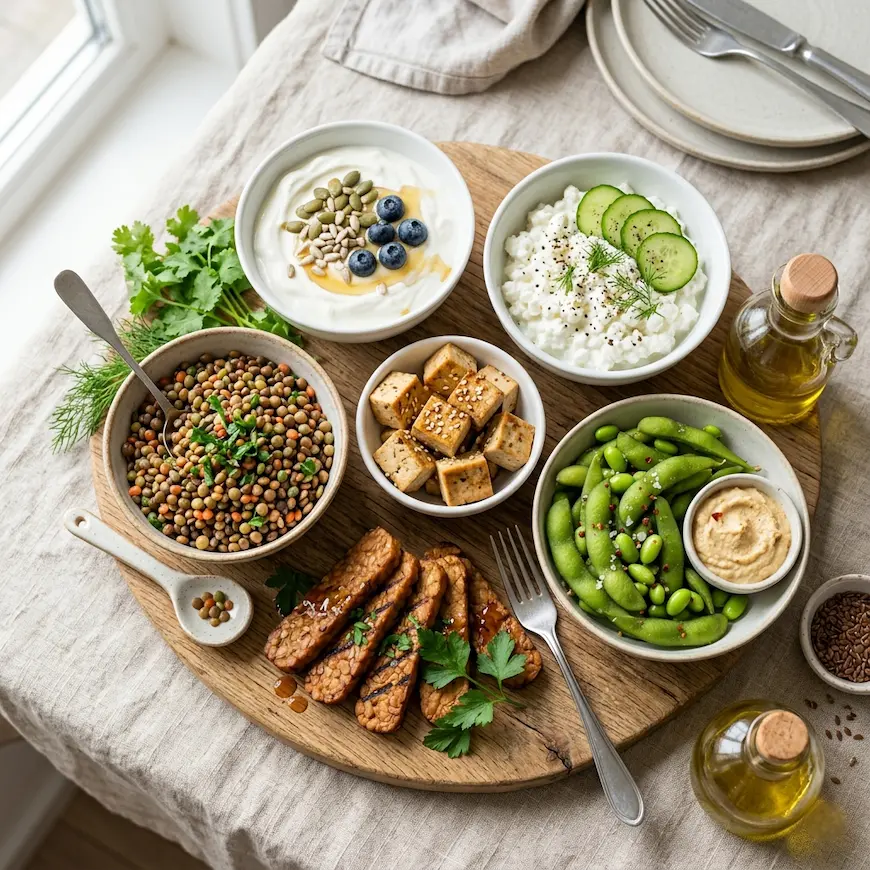
Potassium is sodium’s counterweight. Plenty of dietary potassium tells your kidneys to dump more sodium, which eases water retention. Bananas (422mg each), avocado (708mg per medium fruit), sweet potato (542mg per 100g cooked), and spinach (839mg per cooked cup) are the easy sources. You want 3,500 to 4,700mg a day; most people on a processed diet manage 2,000 to 2,500mg.
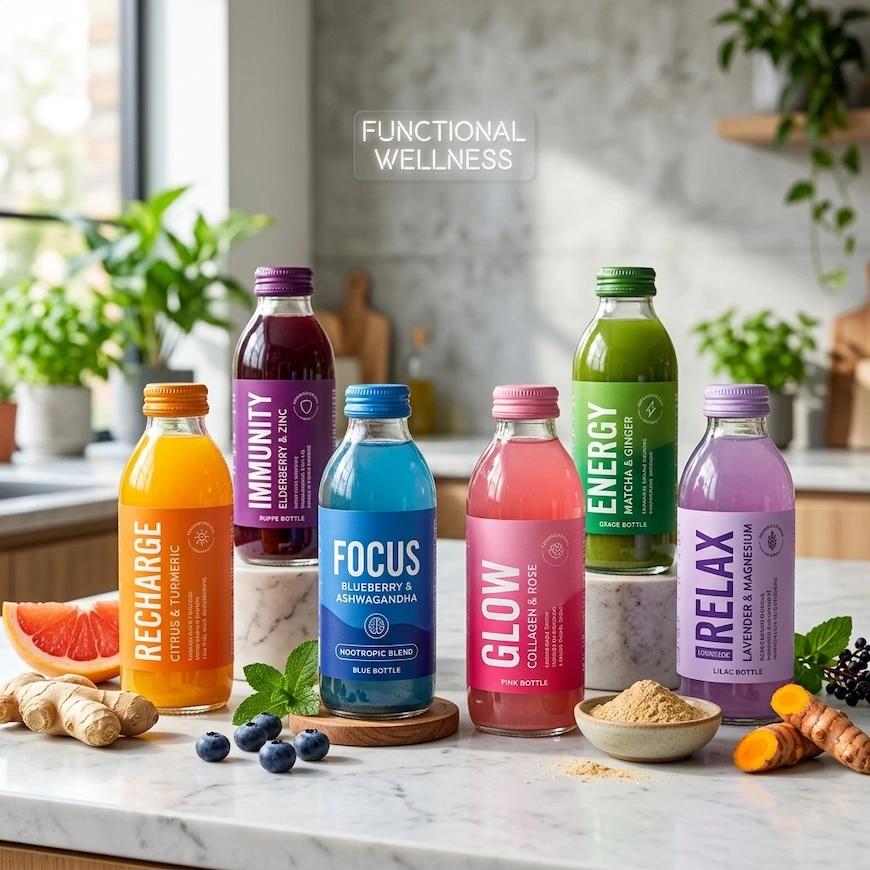
Quercetin is a flavonoid that acts like a mild antihistamine and anti-inflammatory. It calms mast cell degranulation, the process that releases histamine and makes vessels leaky. Onions are the most concentrated source (100 to 120mg per 100g), with apples, capers, and green tea chipping in. Putting onions in your evening meal works against some of the inflammation directly.
Cucumber is more useful eaten than applied. The cold-spoon trick is mostly vasoconstriction, not cucumber chemistry. The vegetable itself is 96% water, carries potassium, and has almost no sodium, so it hydrates you without feeding retention.
Water is the counterintuitive one. Drinking enough actually lowers retention, because it tells your body resources aren’t scarce. Get dehydrated and your body hoards water instead. Six to eight glasses a day is the usual target, and it matters most after a salty or boozy night.
You don’t have to cut the problem foods entirely. Balancing them with potassium and anti-inflammatory choices in the same meal can take the edge off the morning after. You can still have soy sauce with your sushi if there’s edamame (potassium) and green tea (quercetin) next to it.
Food is the main lever, but a few things change how hard the foods that cause puffy eyes hit you.
Sleep position matters. Face-down sleeping maximizes fluid pooling around the eyes; sleeping on your back with your head slightly raised cuts the overnight drift toward your face. It won’t cancel a salty dinner, but it softens the blow.
Sleep length matters too. Short sleep raises cortisol, which encourages fluid retention. A 2021 study in Nature Communications found that sleep deprivation raises inflammatory markers like CRP and IL-6, both of which make vessels leakier and let fluid settle in loose tissue. Getting enough sleep isn’t separate from managing puffy eyes; it’s part of the same system.
Allergies are another driver. Environmental and food allergies release histamine, which causes puffiness through leaky vessels. If your puffiness is year-round and doesn’t track with food, seasonal or environmental allergies may be the main cause.
Thyroid function is the one people miss. Hypothyroidism causes puffy eyes through a different process called myxedema, where glycosaminoglycans build up in tissue rather than fluid. If diet changes don’t budge the puffiness, get your thyroid checked; your doctor can run a TSH on a standard blood panel.
Lying flat moves body fluid toward your face. Stack the overnight sodium retention from last night's dinner on top, and the area around your eyes swells where you can see it. Once you're up and moving, gravity drains the fluid back down and the puffiness eases. That's why foods that cause puffy eyes eaten at dinner produce morning puffiness rather than instant puffiness after the meal.
Sodium-driven puffiness usually clears within 24 to 48 hours if your next meals are lower in salt. Extra water and potassium-rich food speed it up. Alcohol puffiness tends to resolve in 12 to 24 hours as ADH normalizes. Inflammatory puffiness from sugar or dairy sensitivity lingers longer, often 24 to 72 hours, because the mediators involved (IL-6, TNF) stick around longer.
No. Puffiness that stays constant no matter what you eat can point to allergies, hypothyroidism, kidney disease, or other conditions. Food is the most common explanation for morning puffiness that swings with the previous night's dinner. If cutting sodium, alcohol, and inflammatory food for two to three weeks does nothing, check thyroid and kidney function. The 6 kidney problems signs that are easy to miss include facial puffiness as an early marker of reduced kidney function.
Usually not. The worry is that more water means more puffiness. But when sodium and electrolytes are balanced, your body raises water excretion to match intake. Drinking enough actually lowers retention by signaling that you're not short on water. The exception is chugging water while eating very high sodium, which can briefly raise retention as your body buffers the salt.
Topically, yes: caffeine constricts blood vessels, which is why so many eye creams use it, and applied cold it cools and shrinks visible swelling for a while. As a drink, caffeine is a mild diuretic that nudges sodium out. One or two cups of green tea or coffee in the morning can speed sodium clearance after a salty night and shorten the puffiness. Green tea also brings quercetin, handy if histamine is part of your picture.
No. Sodium and alcohol work through mechanisms that apply to almost everyone. Dairy and nightshade sensitivity vary a lot person to person. Sugar-driven inflammation depends on your metabolic health and gut bacteria. Testing how your body responds to dietary changes is the surest way to find your own pattern. A two to three week elimination and reintroduction, one food at a time, beats any general list.
This article is for educational purposes only and isn’t medical advice. Puffy eyes that don’t respond to dietary changes should be checked by a physician to rule out thyroid, kidney, or allergic causes.
Mimo Karam is the founder and writer at LifestyleMine. She writes about daily habits, nutrition, sleep, and emotional wellness, turning research into practical advice for people who want to live healthier without making it complicated.