For most of my twenties, I considered cottage cheese the food equivalent of a beige cardigan. Fine for someone, presumably. Definitely not for me.
It was the texture. The way it sat in the bowl. The vaguely sour smell from the family-sized tub at my grandmother’s house, where it lived next to the canned peaches and the iceberg lettuce. I had categorized cottage cheese as “old-people food” sometime around 1998 and I had not revisited the verdict.
Then about three years ago, I got serious about hitting a daily protein target, and the math forced my hand. Twelve to fifteen grams of protein per half cup. Two dollars a tub. No cooking. No prep. Available at every gas station in the country.
I started eating it skeptically. Then begrudgingly. Then, somewhere around month two, I stopped buying Greek yogurt entirely.
This article is about the actual cottage cheese benefits that earned this food its surprising 2024–2026 comeback. Not the influencer hype. The actual reasons it works. And one honest note about the texture problem (because we should talk about that), plus who genuinely should be cautious about it.
What Cottage Cheese Actually Is (Briefly)
Cottage cheese is a fresh, soft cheese made by curdling milk with an acid (or with lactic-acid-producing bacteria, depending on the brand). The curds get rinsed, salted lightly, and packed with a bit of cream. That’s the entire process. It’s one of the least-processed dairy products on the shelf.
There are different curd sizes (large curd vs small curd) and fat percentages (full fat, 2%, 1%, fat-free). All of them count when we’re talking about cottage cheese benefits, though full-fat versions are generally more satiating and contain fat-soluble vitamins the low-fat versions lose.
If you grew up assuming cottage cheese was inherently a diet food, that’s a marketing leftover from the 1970s. It’s just food. Quietly excellent food, as it turns out.
1. The Protein Advantage Is Genuinely Significant
The single most important of all the cottage cheese benefits is the protein. A typical half-cup serving delivers about 12–15 grams of complete protein. A full cup pushes 25–28 grams. For context, that’s roughly the protein content of three large eggs.
But the protein in cottage cheese isn’t just more, it’s different. Around 80 percent of it is casein, a slow-digesting protein that releases amino acids into your bloodstream gradually over 5–7 hours. Whey protein (the kind in protein shakes) digests fast. Casein digests slow. Both have their uses. Casein is the reason cottage cheese keeps you full for hours when toast and jam would have crashed you by 10am.
This is also why a small bowl of cottage cheese before bed is a sneakily good move for muscle recovery and overnight satiety. The casein feeds your muscles steadily through the night instead of dumping all at once. The USDA’s FoodData Central database lists the protein and amino acid profile if you want the deep nutritional version.
Related: What to eat when you’re feeling exhausted — protein-anchored meals for low-energy days →
2. It Keeps You Full Longer Than Almost Anything
Closely related to the protein point, but worth its own section because of how dramatic the effect is in practice.
The combination of casein protein, modest fat (in full-fat versions), and the dense satiating quality of the curd itself makes cottage cheese one of the most filling foods you can eat for its calorie count. A half cup runs about 90–110 calories. That same 90 calories of granola won’t hold you for 90 minutes. The half cup of cottage cheese will hold most people for 3–4 hours.
This matters for two reasons. First, the obvious one: it makes the day’s eating more stable. Less snacking, less crashing, less of the 3pm panic for sugar. Second, the less obvious one: it makes hitting a daily protein target almost easy, which compounds across muscle, metabolism, and aging in ways most people massively underestimate.
If you’ve ever wondered why every TikTok-and-Pinterest wellness account suddenly talks about cottage cheese in 2024 and 2025, this is most of the reason. The satiety-to-calorie ratio is genuinely exceptional.
3. It’s One of the Best Affordable Sources of Calcium
A half cup of cottage cheese delivers around 100–140 milligrams of calcium, roughly 10–15 percent of the daily target. According to the NIH Office of Dietary Supplements adults need 1,000–1,200 mg of calcium per day, and most people don’t hit it consistently.
Calcium is one of those nutrients that quietly underwrites a lot. Bone density obviously. But also muscle function, nerve signaling, blood clotting, and (most underrated) sleep quality. People who don’t get enough calcium often have worse sleep without ever connecting the dots.
What makes cottage cheese particularly useful here is the bioavailability. The calcium in dairy products absorbs efficiently because it comes packaged with vitamin D (in fortified versions), magnesium, and the fat-soluble vitamins that help your body actually use it. Calcium from a supplement, by contrast, often passes through without being absorbed properly.
For the price of a tub of cottage cheese, you’re getting calcium, protein, and a few other nutrients that synergize. That’s a better deal than most calcium supplements on the market.
4. The Gut Health Connection (Read the Label)
This one comes with a caveat, so I want to be honest about it.
Some cottage cheese brands include live and active cultures, the same kinds of probiotic bacteria you find in yogurt and kefir. Some brands don’t, because pasteurization after culturing kills them. So this benefit is real, but only if you check the label.
The brands that DO include live cultures (Good Culture, Daisy in some varieties, several smaller brands) deliver real probiotics that support gut flora. If you’re already adding fermented foods to your week for gut health reasons, cottage cheese with live cultures is a quieter, less acidic addition that doesn’t taste fermented at all.
The brands without live cultures still have cottage cheese benefits, protein, calcium, satiety, but they don’t move the needle on gut health.
The label phrase to look for: “live and active cultures” or “probiotics.” If it’s not on the label, it’s probably not in the tub.
Related: The power of gut health drinks — building a fuller gut-supporting routine →
5. It Genuinely Helps With Sleep (The Casein Trick)
This is the one cottage cheese benefit that almost nobody talks about, and it’s the one that surprised me most when I noticed it.
A small bowl of cottage cheese eaten 30–60 minutes before bed has measurable effects on overnight muscle protein synthesis and (in many people) sleep quality. The casein protein I mentioned earlier, the slow-digesting one, releases tryptophan gradually through the night. Tryptophan is the precursor to serotonin and melatonin, both of which support sleep architecture.
I noticed this accidentally. I started eating a small bowl with berries before bed because I’d run out of protein-target room earlier in the day. Within about ten days, my sleep was deeper. Less of the 4am wake-ups, less of the mind-loud nights. The protein and the gradual amino acid release seemed to be the difference.
This isn’t a sleep-supplement-grade effect. It’s not melatonin. But it’s a small, free, well-supported intervention that compounds over weeks. If you’re already eating cottage cheese anyway, shifting some of it to evening is worth trying.
6. It Supports Steady Blood Sugar (Especially With the Right Pairings)
Cottage cheese benefits for blood sugar stability are quietly significant. The combination of protein, modest fat, and very low carbohydrate content (around 6 grams per cup, much of it from natural lactose) makes cottage cheese a near-ideal blood-sugar-friendly food.
When paired with something like berries (low-glycemic fruit), seeds (healthy fats and fiber), or whole-grain toast (slow carbs), the resulting meal produces a remarkably gentle glucose curve. Less spike, less crash, more steady energy.
This is particularly useful for anyone with insulin resistance, prediabetes, or PCOS, though as always, talk to your doctor if any of those apply to you specifically. For the general population, it just means fewer afternoon energy collapses.
A practical breakfast that hits this perfectly: half cup cottage cheese, a small handful of blueberries, a tablespoon of pumpkin seeds, a drizzle of honey. Five minutes. Stable until lunch.
7. The Affordability Factor (And Why It Matters for Long-Term Wellness)
I almost didn’t include this, because it sounds unromantic. But I think it matters.
Cottage cheese is one of the few high-protein foods that’s actually cheap. A standard 16-ounce tub runs $2–4 at most grocery stores. That’s roughly $0.10 to $0.20 per gram of protein. For context, chicken breast runs about $0.05–0.07 per gram of protein, Greek yogurt around $0.15–0.20, and most protein powders run $0.20–0.40.
So cottage cheese sits in the affordable-protein category, and unlike chicken breast, it requires zero cooking and stays good in the fridge for a week or two.
What this means in practice: it’s one of the rare wellness foods that doesn’t require a wellness budget. If you’re trying to eat more protein and you’ve been priced out of premium options, this is the most accessible win.
8. Versatility Is What Actually Makes the Habit Stick
The other cottage cheese benefits above all hold up to research. But this one holds up to real life, which is at least as important.
Cottage cheese is one of the most versatile foods in any kitchen. Sweet or savory. Breakfast or dinner. Blended or unblended. Hot or cold. The fact that you can have it five different ways in a week without getting bored is the reason it actually stays in your diet long enough to deliver any of the benefits we’ve discussed.
A few ways to actually use it:
Sweet:
– With berries, honey, and toasted nuts
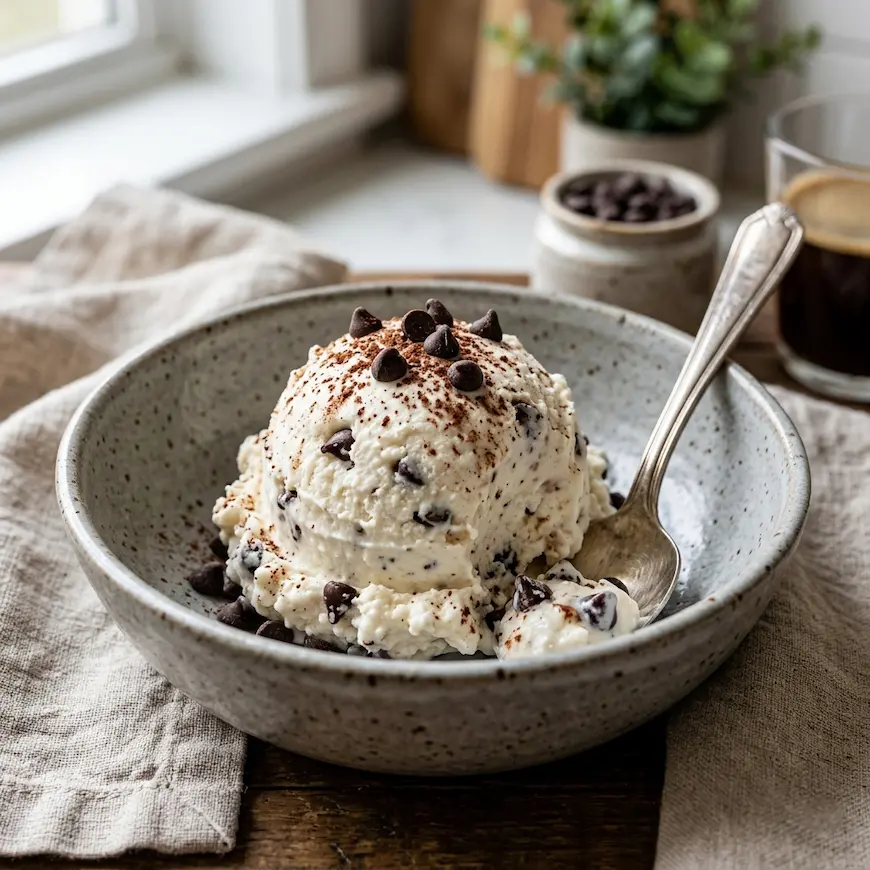
– Blended into a creamy chocolate “mousse” with cocoa powder and maple syrup
– Stirred into pancake batter for higher-protein pancakes
– Spread on toast with banana and cinnamon
Savory:
– On sourdough toast with tomato, basil, salt, olive oil
– Mixed with smoked salmon, dill, and lemon
– Stirred into pasta sauce for creamy texture without cream
– Topped on baked sweet potato with chives
The trick if you don’t like the texture: blend it smooth in a small food processor or blender. This single move turns it into something that tastes like a creamy ricotta or labneh, completely without the curd-texture that puts people off. Most of the texture-haters I’ve converted started with this one move.
9. It Genuinely Holds Up to How It’s Marketed (Which Is Rare)
I want to land this last point honestly. Most of the foods that get viral on TikTok and migrate to Pinterest do not live up to their hype. Celery juice did not change anyone’s life. The “carnivore diet” was not a revelation. Charcoal lemonade did approximately nothing.
Cottage cheese is one of the rare cases where the viral moment caught up to a food that was actually that good. The reason it took off in 2024 wasn’t because someone discovered new research about it. It’s because a generation of women started chasing daily protein targets and realized that cottage cheese was the cheapest, easiest, most flexible way to hit them. The benefits had been there all along. The marketing finally caught up.
That’s the honest case for cottage cheese benefits. Not a superfood. Not a transformation. Just a quietly excellent food that earns its space in the rotation.
Who Should Be Cautious With Cottage Cheese
I want to be honest about the people for whom cottage cheese genuinely isn’t ideal.
If you have a true dairy allergy (not lactose intolerance, actual allergy),ncottage cheese is obviously out. Talk to your doctor about alternatives.
If you’re seriously lactose intolerant, standard cottage cheese may cause discomfort, though the lactose content is lower than milk. Some people tolerate it fine. Others don’t. Lactose-free versions exist and work for most people.
If you’re managing high blood pressure or sodium-sensitive, the sodium content is worth watching. A typical cup contains around 700 mg of sodium, about a third of the recommended daily limit. Low-sodium versions are available and generally taste fine.
If you have kidney disease that requires phosphorus or protein restriction, talk to your doctor before adding cottage cheese to your routine. It’s a high-protein, phosphorus-rich food, and that may or may not be appropriate depending on your specific situation.
For everyone else, the cottage cheese benefits outlined above genuinely apply.
How to Pick a Good Cottage Cheese
A quick buyer’s guide, since not all cottage cheese is created equal.
Full-fat is generally better than low-fat for satiety and the fat-soluble vitamins. The marketing pressure toward “low-fat dairy” peaked in the 90s; the research has largely walked it back. Full-fat dairy isn’t the enemy.
Look for “live and active cultures” on the label if you want the probiotic benefit (see point 4 above).
Sodium content varies wildly between brands. Some have 350mg per serving; some have 450mg+. If sodium matters to you, compare labels.
Curd size is personal preference. Large curd has more texture; small curd is creamier. Whipped or blended cottage cheese is the smoothest of all.
Watch the ingredient list. A great cottage cheese has 3–4 ingredients: milk, cream, salt, cultures (or vinegar). Avoid versions with stabilizers, gums, or excessive additives.
The USDA’s Dietary Guidelines consider dairy a key component of healthy eating patterns, and unprocessed cottage cheese is one of the better dairy choices available.
Related: Anti-inflammatory foods — what to pair cottage cheese with for the best combined effect →
Frequently Asked Questions
Can I eat cottage cheese every day?
For most people, yes. Daily cottage cheese consumption is fine and may help meet daily protein and calcium targets. Watch sodium content if you're managing blood pressure, and consider rotating across multiple protein sources for variety.
Is cottage cheese better than Greek yogurt?
They're close, but cottage cheese generally edges out Greek yogurt on protein per calorie, satiety, and casein content. Greek yogurt typically has more probiotics by default. The honest answer: have both, depending on what you feel like.
What’s the best time to eat cottage cheese?
Anytime works, but two windows stand out. **Breakfast** for stable morning energy and satiety. **Before bed** for the slow-release casein and overnight muscle recovery. Both are research-supported uses of cottage cheese.
How much cottage cheese should I eat per day?
Most people do well with one to two half-cup servings (12–28g of protein from cottage cheese) per day. There's no specific cap for healthy adults, though balance it with other protein and food sources for variety.
Does cottage cheese help you lose weight?
It can, indirectly. The cottage cheese benefits for satiety mean it tends to reduce overall calorie intake without conscious restriction. It's not a "fat-burning food," but its protein content and fullness factor make it a practical fit in most weight-management plans. Always pair lifestyle changes with professional guidance if weight is a clinical concern.
Why am I suddenly seeing cottage cheese everywhere in 2024–2026?
Because a generation of women started seriously tracking daily protein, discovered that cottage cheese hits the target cheaply and easily, and the food finally got the visibility its actual nutrition profile always deserved. The viral moment caught up to the real benefits.
The Takeaway
The honest summary of every cottage cheese benefit above: this is a cheap, high-protein, calcium-rich, satiating, surprisingly versatile food that does several quiet things well at the same time. It’s not a transformation. It’s a quietly excellent rotation food.
For most adults, adding two half-cup servings to your week, one as a sweet breakfast bowl, one as a savory toast or pasta, quietly closes nutrient gaps that supplements can’t fix and steady your protein intake without thinking about it. If the texture has been your obstacle, blend it smooth and try again. Most converted skeptics start there.
Three years in, I now buy two tubs a week and never run out. Sweet bowls in the morning, blended into things in the afternoon, occasional pre-bed snack with berries. It’s quiet, it’s reliable, and it’s earned its space.
That’s the case for cottage cheese, when the marketing settles down and the actual benefits show up.
All content on LifestyleMine is for informational and educational purposes only. It is not a substitute for personalized nutrition advice from a registered dietitian or healthcare professional. If you have specific health conditions (kidney disease, sodium-sensitive hypertension, dairy allergy, severe lactose intolerance), please consult a professional before making dietary changes.

Mimo Karam is the founder and writer at LifestyleMine. She writes about daily habits, nutrition, sleep, and emotional wellness, turning research into practical advice for people who want to live healthier without making it complicated.