What Are the Best Foods for Gut Health?
Quick Answer: The gut microbiome, roughly 100 trillion microorganisms across 500+ species — responds measurably to dietary changes within 24–48 hours. Fermented foods (kefir, kimchi, sauerkraut, Greek yogurt) directly increase microbial diversity. High-fiber prebiotic foods (onions, garlic, oats, legumes) feed existing bacteria and drive production of short-chain fatty acids like butyrate, which fuel the intestinal epithelium and regulate immune function. A 2021 Stanford RCT found that a high-fermented-food diet increased microbiome diversity more effectively than a high-fiber diet alone over 10 weeks.
I added daily kefir to my morning routine in spring 2023 after months of inconsistent digestion. Some days were fine, others brought noticeable bloating after meals. For the first four weeks I didn’t change anything else. By week three the afternoon bloating had dropped by about 70%. By week six I was more regular than I’d been in years.
What I didn’t expect was how much the effect depended on consistency. Miss three or four days in a row and the mild symptoms came back. The microbiome is a living system, and foods for gut health work when they’re part of a sustained pattern rather than a one-off fix.
Around the same time I started eating chickpeas four days a week. That pairing, a fermented food (kefir) plus a prebiotic legume (chickpeas), is close to what the 2021 Stanford study tested, and the diversity results in that research showed up within six weeks. It’s become the core of my own foods for gut health routine.
How the Gut Microbiome Works, and Why Diversity Is the Goal
Quick Answer: The gut microbiome is the community of roughly 100 trillion microorganisms (bacteria, archaea, fungi, and viruses) that live mostly in the large intestine. It does jobs the human genome can’t. It ferments dietary fiber into short-chain fatty acids (SCFAs) that feed intestinal cells, makes B vitamins and vitamin K2, and helps regulate the immune system, since about 70% of immune tissue lines the gut. It also talks to the brain through the gut-brain axis (the vagus nerve and enteric nervous system). The metric most people track for gut health is microbial diversity. A higher Shannon diversity index tends to line up with better metabolic, immune, and neurological outcomes.
Why diversity matters more than any single strain: A microbiome dominated by a few species, even if they’re the “good” bacteria, is less resilient than a diverse one. Different species ferment different substrates, produce different metabolites, and fill different ecological niches. Loss of diversity (dysbiosis) shows up repeatedly alongside inflammatory bowel disease, metabolic syndrome, depression, and type 2 diabetes in population research.
Short-chain fatty acids (SCFAs), the main output: When gut bacteria ferment fiber, the main products are short-chain fatty acids:
- Butyrate: the primary fuel for colonocytes (intestinal epithelial cells); anti-inflammatory, protects gut barrier integrity, linked to lower colorectal cancer risk
- Propionate: travels to the liver, involved in gluconeogenesis regulation and appetite signaling (it reduces food intake in human trials)
- Acetate: the most abundant SCFA, crosses into circulation and influences metabolism body-wide
The anti-inflammatory foods article covers how SCFAs connect dietary patterns to systemic inflammation. There’s a lot of overlap between foods for gut health and anti-inflammatory foods.
The gut-brain axis: The gut produces about 90% of the body’s serotonin (in enteroendocrine cells, not neurons), and gut bacteria influence that production through tryptophan metabolism. The vagus nerve carries signals in both directions between gut and brain. Dysbiosis tracks with anxiety and depression in observational studies, and several RCTs have shown mood improvements from probiotic supplementation. That’s why gut health now matters well beyond digestive symptoms, and why foods for gut health keep coming up in research on mood and immunity.
Fermented Foods, the Probiotics That Survive to the Gut
Quick Answer: Fermented foods contain live bacteria that survive digestion better than many supplement capsules, partly because the food itself buffers against stomach acid. A 2021 RCT from Stanford (Wastyk et al., Cell) found that a 10-week high-fermented-food diet raised gut microbiome diversity and lowered 19 inflammatory proteins, an effect the high-fiber group didn’t show. Among foods for gut health, the fermented options with the best evidence are kefir (highest bacterial count and diversity), kimchi, unpasteurized sauerkraut, Greek yogurt with live cultures, and kombucha.
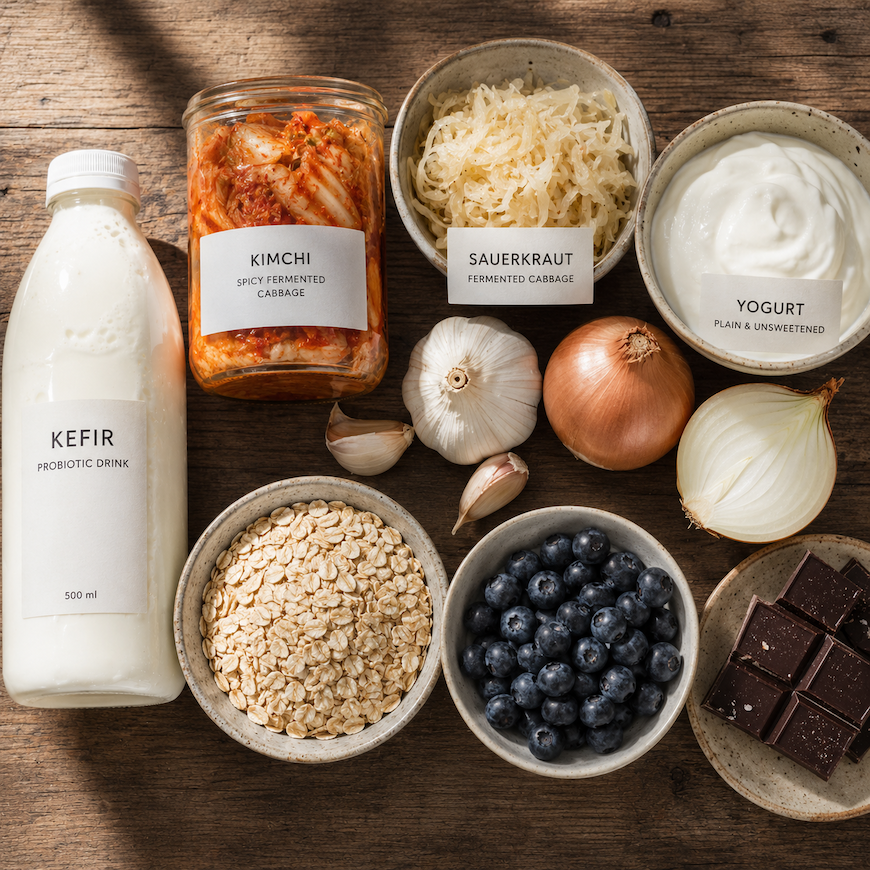
Kefir benefits for gut health: Of all the foods for gut health, kefir is the one I’d start with. Kefir is fermented milk made with kefir grains, a symbiotic culture of bacteria and yeasts. Depending on how it’s prepared, it carries somewhere between 30 and 61 bacterial strains at 10⁷ to 10⁹ CFU/ml. That’s well beyond most commercial yogurts (usually 2 to 5 strains) and beyond many probiotic supplements. In clinical studies kefir improves lactose digestion (most lactose-intolerant people tolerate it, because the bacteria’s lactase enzyme pre-digests the lactose during fermentation), eases IBS symptoms, and raises circulating Lactobacillus and Bifidobacterium.
Kimchi: A Korean fermented vegetable dish, usually napa cabbage, radish, garlic, ginger, and chili. The dominant bacteria are Lactobacillus kimchii and relatives. What sets it apart from other fermented vegetables is the capsaicin from the chili, which has its own anti-inflammatory effect, so kimchi works on two fronts. The vegetables also bring fiber, which feeds the probiotics. Buy refrigerated kimchi rather than shelf-stable; the refrigerated versions are still actively fermenting.
Sauerkraut (unpasteurized): Fermented cabbage, one of the oldest preserved foods. It only works if it’s unpasteurized, since heat above 70°C kills the live cultures. Check the label for “contains live cultures” or “naturally fermented.” It’s also high in vitamin C (sailors once used it against scurvy) and in fiber from the cabbage. The brine holds a lot of the cultures, so don’t drain it off.
Greek yogurt: Lower diversity than kefir, but easier to find and easier to eat every day. As foods for gut health go, it’s the most beginner-friendly. Go for plain full-fat or 2% Greek yogurt that says “live and active cultures” on the label. Skip the flavored versions, since the added sugar works against the probiotic benefit. It’s a good source of casein protein (the protein calculator article covers pre-sleep protein timing), calcium, and B12.
Kombucha: Fermented tea, carrying Acetobacter and Gluconobacter species plus yeasts. The probiotic evidence here is thinner than for dairy ferments, and most of it comes from animal models. It’s a decent low-sugar drink and a reasonable source of B vitamins. Watch the sugar on commercial bottles, though; some brands sweeten after fermentation, which undercuts the whole point.
Prebiotic Fiber, the Food That Feeds Your Bacteria
Quick Answer: Prebiotics are food components we can’t digest that feed beneficial gut bacteria. The best-studied classes are inulin and fructooligosaccharides (FOS), found in onions, garlic, leeks, asparagus, and chicory root; resistant starch, found in cooled cooked potatoes and rice, unripe bananas, and oats; and beta-glucan, found in oats and barley. These fibers reach the large intestine intact, where Bifidobacterium and Lactobacillus ferment them into butyrate and multiply in the process. The evidence is consistent that prebiotic fiber raises Bifidobacterium counts 10- to 100-fold within two weeks.
Among foods for gut health, prebiotics are the half people forget. These are the top sources by inulin and FOS content:
Garlic: 9 to 16g of inulin per 100g raw, one of the most concentrated sources you can get. It also contains allicin, which is antimicrobial against pathogens but easier on the beneficial species. Use it raw when you can; heat breaks down inulin, and cooking cuts the content by roughly half.
Onions: 2 to 6g of inulin per 100g. The quercetin in onions adds an anti-inflammatory effect in the gut. Red onions carry more polyphenols than white or yellow.
Leeks and asparagus: 2 to 4g of inulin per 100g. Asparagus also gives you a solid dose of vitamin K and folate.
Chicory root: Up to 41.6% inulin by dry weight, the most concentrated commercial source there is. The FOS pulled from chicory root shows up in a lot of fiber supplements and fortified foods.
Jerusalem artichoke: 16 to 20% inulin by fresh weight, high enough to earn the nickname “fartichoke.” The fermentation produces gas, so start with small portions and let your microbiome adjust.
Resistant starch: When you cook starch and then cool it (refrigerated for 12 hours or more), some of it retrogrades into resistant starch RS3. The small intestine can’t digest that form, so it reaches the colon intact and feeds your bacteria. In practice this means overnight oats, or cooled rice and potatoes in salads. The change is only partial (about 15% of cooled potato starch turns resistant, for instance) but it’s reliable. Reheating reverses some of it.
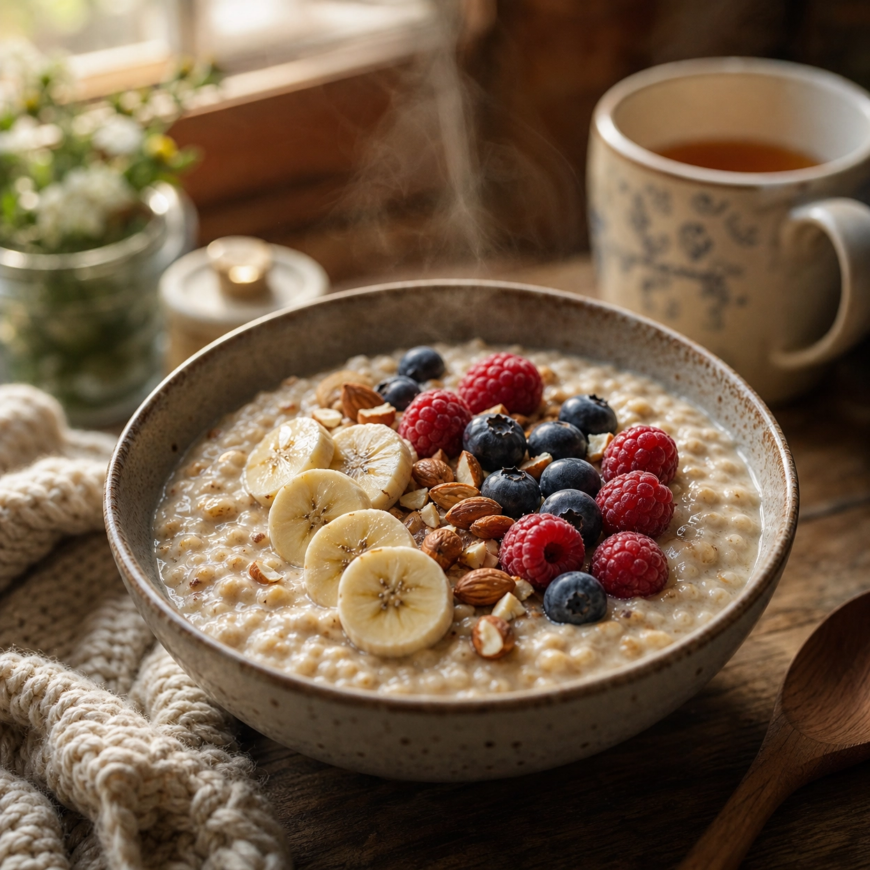
Beta-glucan (oats and barley): Oats hold about 4g of beta-glucan per 100g dry weight. Bifidobacterium ferments beta-glucan specifically and grows more abundant on it. It also forms a thick gel in the gut that slows glucose absorption (helping keep blood sugar steady) and lowers LDL cholesterol, which is the basis for the FDA-approved health claim on oats at 3g or more per day. The omega-3 benefits article covers how omega-3 and soluble fiber work together for the heart.
The 30-Plants-Per-Week Rule, and Why Diversity Beats Volume
Quick Answer: The American Gut Project (McDonald et al., 2018) looked at microbiome samples from more than 10,000 people and found that those eating 30 or more different plant foods a week had noticeably greater gut microbiome diversity than those eating 10 or fewer. That held whether they were omnivores, vegetarians, or vegans. Each new plant brings different fiber types, polyphenols, and phytonutrients that feed different species. The rule rewards variety, not volume. Herbs, spices, nuts, seeds, whole grains, legumes, vegetables, and fruit all count.
Why variety matters more than quantity: Different gut bacteria prefer different substrates. Bacteroides thetaiotaomicron breaks down particular plant polysaccharides, Roseburia intestinalis goes for resistant starch, and Bifidobacterium longum specializes in inulin-type fructans. A monotonous diet, even a “healthy” one built on, say, spinach and chicken, feeds a narrow set of species and starves the rest. Microbial diversity needs dietary diversity to run on, which is why the best foods for gut health are a wide rotation rather than a short list of superfoods.
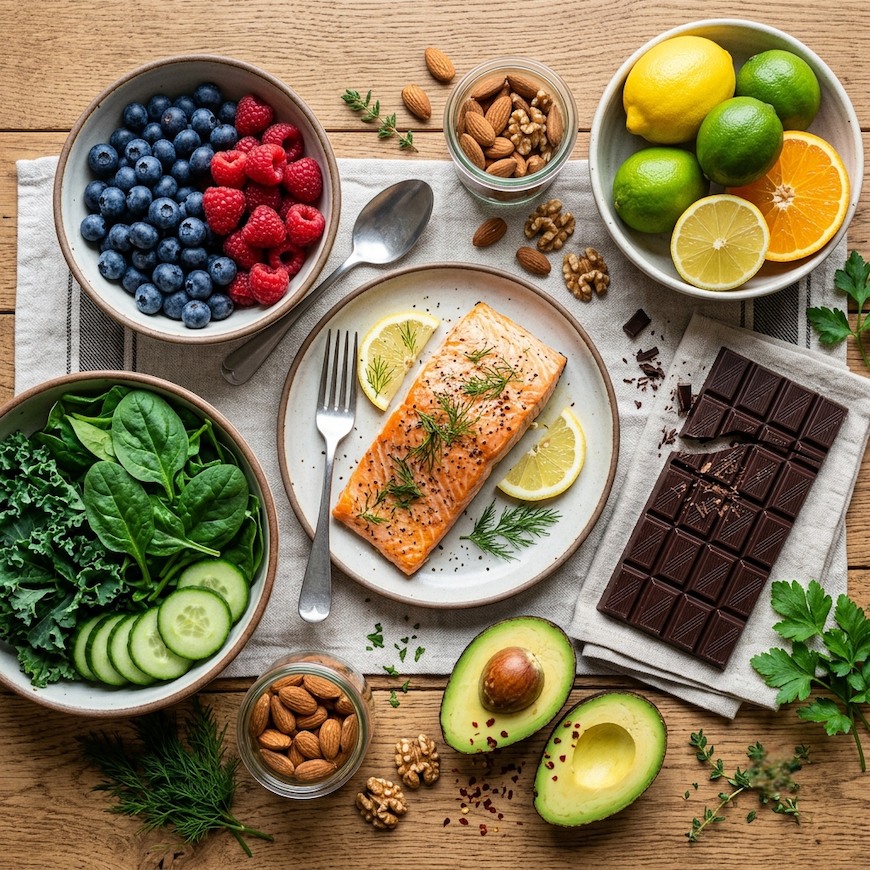
How to reach 30 plants in practice: “Plants” here includes herbs and spices, and each one counts, which makes 30 more reachable than it sounds. Take a single day: rolled oats (1) with blueberries (2), walnuts (3), and cinnamon (4) at breakfast. A salad with romaine (5), cherry tomatoes (6), cucumber (7), red onion (8), chickpeas (9), olive oil (10), lemon juice (11), and black pepper (12). Salmon with asparagus (13), garlic (14), and brown rice (15) for dinner. That’s 15 plants from three meals. Vary them across the week (quinoa instead of brown rice, broccoli instead of asparagus) and 30 is well within reach.
Polyphenol-rich plants: Beyond fiber, plant polyphenols (in blueberries, green tea, dark chocolate, olive oil, and red wine) get fermented by beneficial bacteria and have their own effects on the microbiome. Bifidobacterium and Lactobacillus metabolize them into bioactive compounds. In one small RCT, dark chocolate at 70% cocoa or higher, 20 to 30g a day, raised Lactobacillus 2.4-fold, the strongest effect from any polyphenol food in a published human trial.
Foods That Harm Gut Health
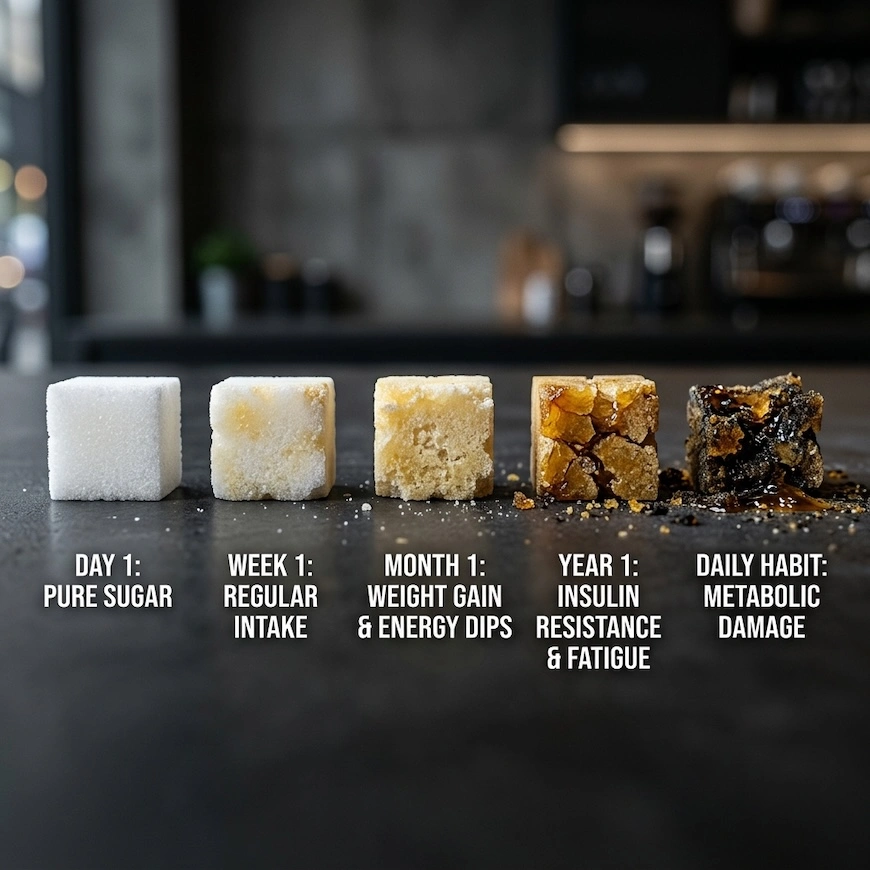
Quick Answer: Ultra-processed foods are the most reliably gut-dysbiotic pattern in the evidence base. The problem isn’t one or two “bad” foods; it’s the steady diet of products built on emulsifiers, artificial sweeteners, refined carbohydrates, and very little fiber. Polysorbate 80 and carboxymethylcellulose (CMC), common emulsifiers in ice cream, salad dressings, and packaged bread, thinned the protective mucus layer over the intestinal lining and raised inflammatory markers in animal models, at doses in line with normal dietary exposure. Artificial sweeteners like sucralose and saccharin shift gut microbiome composition in human RCTs within two weeks.
Ultra-processed foods (UPFs): The NOVA system sorts foods into minimally processed (whole foods), processed (canned vegetables, cheese, cured meats), and ultra-processed (reformulated industrial products like chips, soft drinks, packaged bread, and fast food). UPFs now make up about 60% of calories in the average American diet. They hurt the gut both for what they contain (emulsifiers, sweeteners, refined starch) and for what they lack: fiber, prebiotic compounds, and the diversity that comes from eating a range of whole foods. In that sense they’re the opposite of foods for gut health.
Artificial sweeteners: A 2022 study in Cell (Suez et al.) found that sucralose, saccharin, and aspartame, though not stevia in this trial, changed gut microbiome composition and worsened glycemic control in healthy adults within two weeks. The microbiome shifts tracked with each person’s glycemic response. That matters most for people leaning on these sweeteners to manage blood sugar, where the microbiome disruption may cancel out the direct glycemic benefit.
Alcohol: Heavy, chronic drinking lowers microbial diversity, increases intestinal permeability (“leaky gut”), and favors dysbiotic Proteobacteria. Light to moderate intake (around one drink a day) shows less consistent harm in cohort data, and red wine’s polyphenols (resveratrol, quercetin) may even have mild prebiotic effects. Dose matters here: moderate and heavy drinking lead to very different gut outcomes.
A Simple Weekly Gut Health Eating Pattern
Quick Answer: The gut microbiome needs consistency before it shows lasting change. A workable weekly setup: a fermented food every day (kefir at breakfast, or yogurt, or kimchi at dinner), prebiotic fiber at most meals (onion and garlic in your cooking, oats at breakfast, legumes three to five days a week), 30 or more plant varieties across the week, not much ultra-processed food, and enough water to keep the mucosal layer healthy. Add the heavy fermenters (Jerusalem artichoke, big legume portions) slowly. The gas and bloating from a new prebiotic is bacterial activity, not intolerance, and it usually settles within two to three weeks as the microbiome adapts.
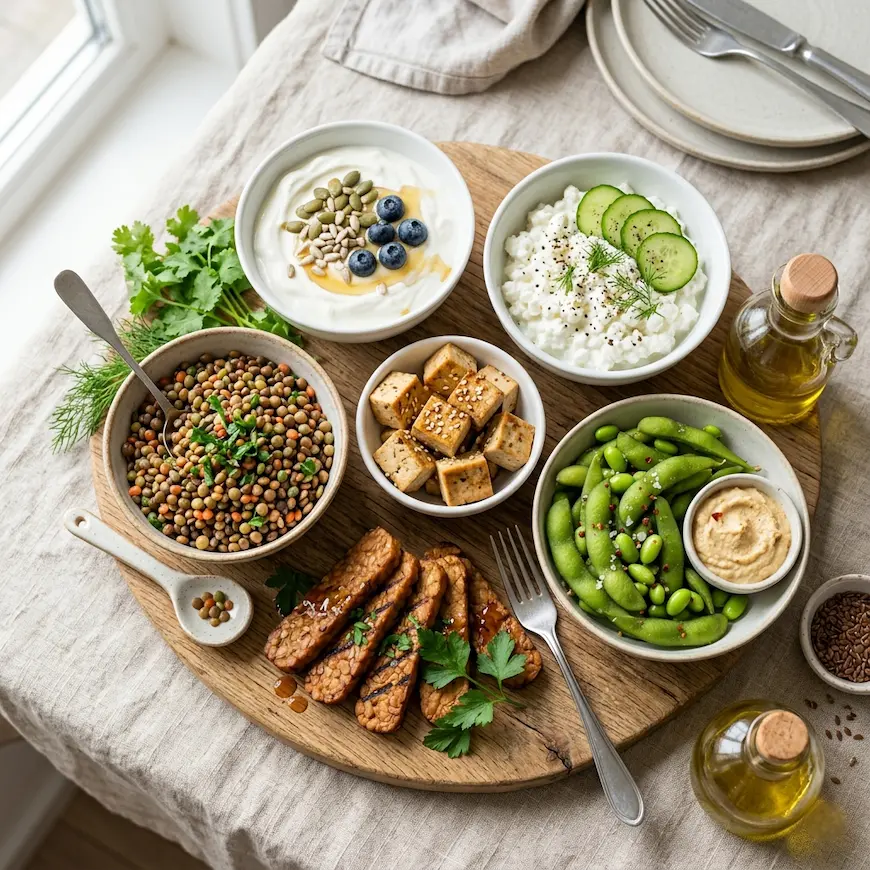
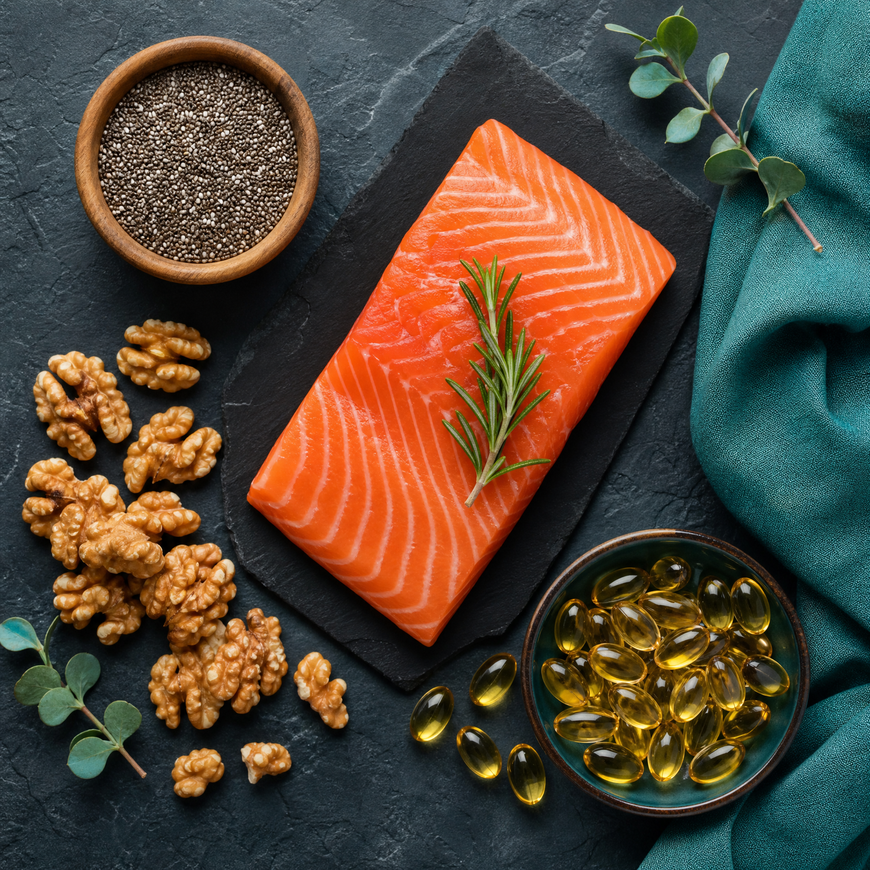
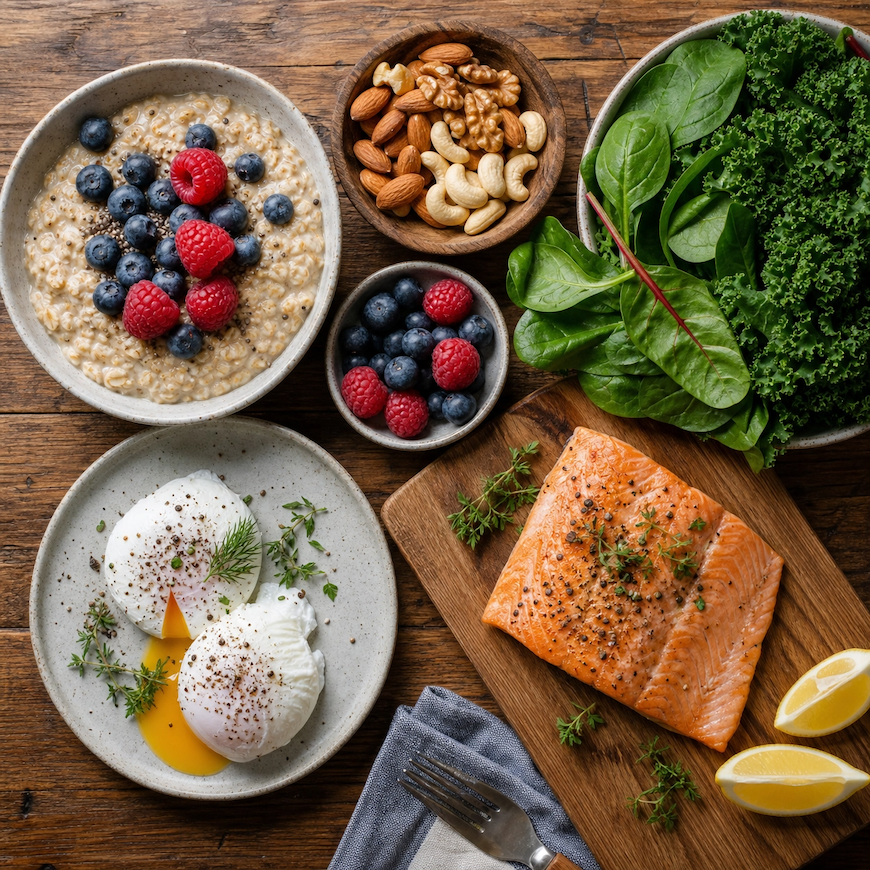
Daily framework:Here’s how the foods for gut health stack up across a normal day:Breakfast: rolled oats with berries, walnuts, and chia seeds (fiber, polyphenols, omega-3 ALA). If you like, add 150 to 200ml of plain kefir or Greek yogurt on the side.Lunch: a big salad with a range of vegetables (aim for five or six different plants in the one bowl), some legumes (chickpeas, lentils, or edamame), and an olive oil and vinegar dressing (polyphenols, plus acetic acid from the vinegar, which has mild probiotic properties).
Dinner: build most meals on a base of garlic and onion. They add real prebiotic value with no extra prep. Put a fermented food on the side too, kimchi with Asian dishes, sauerkraut with a protein, or Greek yogurt as a sauce base.
None of this works as a one-week project. The foods for gut health that move the needle are the ones you eat week after week, which is why the framework is built around habits rather than a cleanse.
The signs of magnesium deficiency article ties in here: magnesium supports intestinal motility, and a deficiency is linked to constipation, which changes the microbiome by slowing transit time and shifting the fermentation environment.
The detox water article covers hydration: a steady 1.5 to 2L a day supports both the mucosal layer that protects the gut lining and the motility that keeps transit time regular.
Frequently Asked Questions About Foods for Gut Health
Can you repair gut health after antibiotics?
Yes, but you have to be deliberate about it. A full course of antibiotics can cut microbiome diversity by 25 to 50%, with effects that linger one to two years if you do nothing. The approach with research behind it: start fermented foods (kefir especially) as soon as you finish the course, and consider Lactobacillus rhamnosus GG or Saccharomyces boulardii at clinical doses during the course and for two weeks after (those two strains have the strongest evidence for preventing antibiotic-associated diarrhea and helping the microbiome bounce back). With focused dietary changes, the microbiome can recover a lot within four to eight weeks.
Is bone broth good for gut health?
Bone broth has gelatin (hydrolyzed collagen) and glutamine, both often credited with repairing the gut lining. The human evidence is thin, though; most of the research is in vitro or in animals. Glutamine does get used clinically for gut permeability conditions like short bowel syndrome, but at far higher doses than broth delivers. It's a healthy, protein-rich food. Its gut-healing reputation just runs ahead of what the human evidence currently supports.
Are probiotic supplements better than fermented foods?
For most people without a specific clinical reason, no. A supplement gives you one strain or a few at high CFU counts. Fermented foods give you dozens of strains inside a food matrix that helps them survive digestion. The exception is genuine clinical indications (antibiotic-associated diarrhea, certain IBS subtypes, ulcerative colitis), where particular strains at particular doses have evidence that food can't reliably match. Taken without that kind of reason, supplements often pass straight through without colonizing much. For most people, fermented foods stay the most accessible foods for gut health.
How long does it take to improve gut health?
Composition can shift measurably within 24 to 48 hours of a dietary change. For symptoms, a consistent pattern of foods for gut health usually takes two to four weeks to ease bloating and regularity. Structural diversity changes take longer, more like 8 to 12 weeks of steady eating. The 2021 Stanford RCT recorded clear diversity gains and lower inflammatory proteins at 10 weeks. The variation between people is wide; some respond in weeks, others take months.
Can stress hurt gut health?
Yes, by several routes. Cortisol slows intestinal motility and transit time, raises intestinal permeability, lowers secretory IgA (immune protection at the gut lining), and pushes the microbiome toward dysbiotic patterns. The gut-brain axis runs both ways, so dysbiosis also makes the HPA axis more reactive, and the two feed each other. Chronic psychological stress has measurable effects on microbiome diversity in human cohort studies. That's the physiological basis for the gut-mood link.
This article provides general nutritional information about gut health. It does not constitute medical advice and is not intended to diagnose, treat, or prevent any medical condition. If you have IBS, IBD, GERD, or other diagnosed digestive conditions, consult a registered dietitian or gastroenterologist before changing your diet significantly.

Mimo Karam is the founder and writer at LifestyleMine. She writes about daily habits, nutrition, sleep, and emotional wellness, turning research into practical advice for people who want to live healthier without making it complicated.