What Type of Seat Cushion Is Best for Long Sitting?
Quick Answer: The best seat cushion depends on your specific problem. For general lower back fatigue: a contoured memory foam coccyx cushion. For sciatica: a wedge cushion that tilts the pelvis forward and reduces sacral nerve compression. For tailbone or coccyx pain: a U-shaped cutout cushion that eliminates all direct coccyx contact. For hemorrhoids: a donut/ring cushion that unloads the perineal area. One design does not work equally well for all four conditions.
The average American adult sits for more than 9 hours a day, more than most people spend asleep. A 2015 meta-analysis in the Annals of Internal Medicine, covering 47 studies and more than 800,000 participants (Biswas et al., 2015), found that prolonged sedentary time raised the risk of cardiovascular disease, type 2 diabetes, and early death regardless of how much people exercised. An hour at the gym does not cancel out eight hours of unbroken sitting.
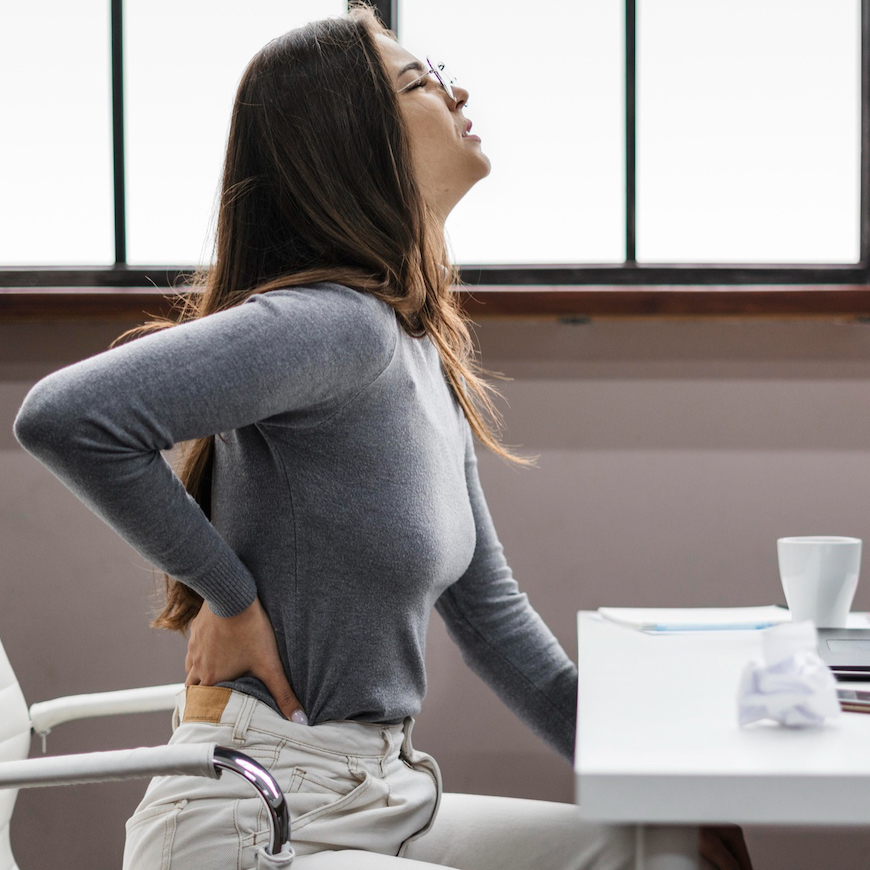
The spine takes the brunt of it. In an early study of lumbar disc mechanics, Nachemson (1966) measured the pressure inside spinal discs in different body positions. Sitting without back support puts about 140% of the standing pressure on the L3 disc. Slouching, which most people slide into after about 20 minutes in an unsupported chair, pushes that to roughly 185% of standing. Spread over 8–10 hours, that load dries out the discs, stresses the outer disc wall, and tires the muscles that hold you upright, which is what you feel as back pain by the end of the day.
A well-made seat cushion for long sitting works on this by spreading your weight over a larger area, easing the peak pressure under the sit bones (the ischial tuberosities), holding the lumbar curve that flat chairs erase, and, for certain conditions, lifting all contact off vulnerable spots like the coccyx or perineum.
This guide pairs five types of seat cushion for long sitting with the conditions each one handles best, based on what’s currently available, Amazon ratings, and the ergonomics behind each design.
What makes a seat cushion actually ergonomic?
Quick Answer: A good seat cushion for long sitting spreads pressure evenly across the sit bones instead of letting it concentrate, restores the lumbar curve that most chairs flatten, and holds the pelvis in a slight forward tilt that lines the spine up in its natural curve. Material, shape, and firmness all change how well it manages this.
Material options and their trade-offs:
- Memory foam: molds to your shape, spreads pressure well, and holds up over repeated use, though it traps heat. Density matters here; look for at least 2.5 lb/ft³ if you want it to last.
- Gel-infused memory foam: the same pressure relief with added cooling, better for hot offices or summer use.
- Gel alone: the best cooling and pressure relief, but heavier, and it can feel less stable than foam when you shift around.
- Inflatable air cushions: you can adjust the firmness, which is great for custom support, but they wear out faster with daily use.
- Wedge foam: less about pressure relief and more about tilting the pelvis forward to change how the spine sits, which helps a lot with sciatica and lumbar pain.
Shape options and what they address:
- U-shape with coccyx cutout: takes all pressure off the tailbone and lower sacrum, which is essential for tailbone injuries, coccydynia, and recovery after surgery.
- Contoured flat cushion: eases pressure under the sit bones, good for general lower back fatigue.
- Wedge, tapered front to back: lifts the back of the pelvis so the hips tilt slightly forward, which counters the backward pelvic tilt that regular chairs force and that squeezes the lumbar discs.
- Donut or ring: the open center keeps all pressure off the perineal and anal area, used for hemorrhoids, prostatitis, and recovery from perineal surgery.
The orthopedic advice in our mattress for lower back pain article applies here too. Sitting and sleeping surfaces follow the same logic: too soft and you sink through it, too firm and it creates pressure points. Medium-firm contoured foam with a coccyx cutout is the best all-around seat cushion for long sitting when you want one cushion to cover most situations.
Seat cushion for back pain: what the research shows
Quick Answer: Most lower back pain from sitting comes down to slouching, where the pelvis rolls backward, the lumbar curve flattens, and pressure inside the discs climbs. A seat cushion for long sitting that brings back the natural 30–35 degree lumbar curve, either through contoured memory foam or a wedge shape, cuts the muscle and disc load that causes back pain at a desk.
Seat cushions for back pain are among the most searched items in the ergonomics category, which makes sense: lower back pain is the leading cause of disability worldwide and affects about 577 million people at any given time, according to the Global Burden of Disease study.
The mechanics are simple. Most office chairs have a flat or slightly reclined seat. Sit on a flat seat for more than 20–30 minutes and your hip flexors tighten, the pelvis rolls back, the lumbar spine flattens, and the load on the L4-L5 and L5-S1 discs goes up sharply. This is not a willpower problem, just what happens when your hips stay flexed on a flat surface.
A contoured seat cushion for long sitting that sits a little higher at the back keeps the pelvis tilted forward, which keeps the lumbar curve where it should be. Pair it with an ergonomic chair’s lumbar support, or a separate lumbar cushion, and you get the full back support that stops the flattening from starting.
Supporting posture habits that multiply the cushion’s effectiveness:
- Knees at 90 degrees and feet flat on the floor, so your hamstrings don’t pull the pelvis into a slouch.
- Monitor at eye level, with the top of the screen at eye height, to avoid forward head posture. Every inch your head leans forward adds about 10 lbs of effective load on the neck.
- A movement break every 30–45 minutes. Even a two-minute stand or walk rehydrates the discs and wakes the muscles back up, and the benefit adds up over the day.
If your back also bothers you overnight, our mattress for lower back pain guide goes deep on how your sleeping surface affects spinal alignment.
Seat cushion for sciatica: the wedge advantage
Quick Answer: Sciatica is irritation or compression of the sciatic nerve, which leaves the lumbar spine around L4–S1 and runs through the piriformis muscle in the buttock. Sitting flat does two bad things at once: it squeezes the lumbar discs onto the nerve root and stretches the piriformis across the nerve. A wedge cushion tilts the pelvis forward and relieves both at the same time, which makes it the best seat cushion for long sitting when sciatic pain is the problem.
Searches for a sciatica seat cushion usually come from one frustration: a regular coccyx cushion doesn’t reliably help, because it works on pressure at the sit bones rather than the nerve root in the lower back. Wedge cushions, thicker at the back and tapering toward the front, change the angle of the pelvis in a way that targets both of the main sitting-related causes of sciatic irritation.
The forward tilt from a wedge does three useful things:
- It restores the lumbar curve, which reduces the backward disc bulge and takes pressure off the L4-S1 nerve roots.
- It opens the hip angle from around 90 degrees to roughly 100–110 degrees, which eases the stretch on the piriformis over the nerve.
- It shifts more weight forward onto the thighs, so there’s less compression on the path the sciatic nerve takes through the buttock.
A 3-inch rise at the back of a wedge produces roughly 15–20 degrees of forward pelvic tilt in most people, enough to measurably change disc pressure and piriformis tension.
One caution: severe or worsening sciatica, especially with leg weakness, foot drop, or changes in bowel or bladder control, needs urgent medical evaluation, not a different cushion. Those are signs of serious nerve compression that call for imaging.
5 best seat cushions for long sitting: Amazon’s top picks
1. Everlasting Comfort Memory Foam Seat Cushion
Best for: General lower back pain, all-day office sitting, travel
The benchmark for the category, and a safe first seat cushion for long sitting if you mostly want general support. It earns its consistently high Amazon ratings with memory foam dense enough to contour without bottoming out, a deep U-shaped coccyx cutout that actually keeps the tailbone off the seat, and a non-slip base that stays put on fabric and leather alike.
The foam springs back reliably over thousands of sittings, which is where cheaper, lower-density cushions tend to give out. The machine-washable mesh cover keeps it from trapping the heat that makes some foam cushions uncomfortable after an hour.
Who it fits: Anyone with general lower back fatigue, mild tailbone soreness, or who just wants a real upgrade from a bare office chair. Light enough to carry to the car or onto a plane.
Specifications:
| Feature | Detail |
|---|---|
| Material | 100% memory foam |
| Shape | U-shaped coccyx cutout |
| Cover | Breathable mesh, machine-washable |
| Non-slip base | Yes |
| Use | Office chair, car, wheelchair, plane |
| Price range | [CHECK PRICE ON AMAZON] |
2. Cushion Lab Extra Dense Pressure Relief Seat Cushion
Best for: Sciatica, lumbar disc pain, anterior pelvic tilt correction
Cushion Lab’s design is a wedge, thicker at the back and tapering to the front, built to tilt the pelvis forward and restore the lumbar curve. If you want a seat cushion for long sitting that targets nerve pain, this is the one. The high-density foam (firmer than standard memory foam) holds the wedge shape under your weight instead of flattening out.
It’s the most effective pick here for sciatica because the shape goes straight at the sitting mechanics that irritate the nerve. Plenty of physical therapists recommend this style for patients with L4-S1 disc problems.
The flat bottom and non-slip cover give it a stable base on most chairs. It pairs well with a separate lumbar roll if you want full back support.
Specifications:
| Feature | Detail |
|---|---|
| Material | High-density ergonomic foam |
| Shape | Wedge (posterior elevation) |
| Elevation | ~2 inches at rear |
| Cover | Removable, washable |
| Non-slip base | Yes |
| Price range | [CHECK PRICE ON AMAZON] |
3. ComfiLife Orthopedic Coccyx Office Chair Cushion
Best for: Coccyx/tailbone injuries, coccydynia, post-delivery perineal discomfort, prolonged driving
One of Amazon’s highest-rated coccyx cushions, and a strong seat cushion for long sitting if tailbone contact is your main complaint. The U-shaped cutout runs deeper than most, which matters for taller people or anyone whose tailbone sits higher. The foam lands in that firm-medium range that stops the bottoming-out that ruins pressure relief in softer cushions.
It’s a favorite among people recovering from coccyx fractures or dealing with coccydynia (chronic tailbone pain), where any direct contact while sitting brings a sharp jolt. The cutout suspends the tailbone in open space and puts all the weight on the sit bones and thighs instead.
Specifications:
| Feature | Detail |
|---|---|
| Material | Memory foam, orthopedic grade |
| Shape | Deep U-shaped coccyx cutout |
| Cover | Velour top, non-slip bottom |
| Washable cover | Yes |
| Use | Office, car, wheelchair |
| Price range | [CHECK PRICE ON AMAZON] |
4. Donut Pillow Seat Cushion (Hemorrhoid & Tailbone Relief)
Best for: Hemorrhoids, post-prostatectomy, post-perineal surgery, pregnancy, chronic coccydynia
The donut design has a fully open center. You sit in the ring, so no pressure reaches the perineal area, anus, or coccyx. It’s the shape clinicians recommend for hemorrhoids because it removes the pressure that causes pain, bleeding, and slow healing in inflamed or post-surgical tissue. As a seat cushion for long sitting during recovery, it’s hard to beat for these specific conditions.
Inflatable versions let you adjust the firmness, handy for post-op recovery when comfort changes day to day. Foam versions are steadier for everyday office use.
It also helps men with prostatitis or discomfort after prostate surgery, and women recovering from an episiotomy or perineal tears after birth.
Specifications:
| Feature | Detail |
|---|---|
| Material | Memory foam or inflatable options |
| Shape | Open-center ring |
| Center opening | Full open (no coccyx contact) |
| Cover | Removable, washable |
| Use | Office chair, toilet, car, recovery |
| Price range | [CHECK PRICE ON AMAZON] |
5. Xtreme Comforts Gel-Infused Memory Foam Seat Cushion
Best for: Hot weather sitting, users who find memory foam too warm, long driving sessions
Gel-infused memory foam pulls heat away at the contact surface, which fixes the most common gripe about memory foam: it traps heat. After an hour or two on a standard cushion, the surface warms up noticeably, while the gel layer here keeps shedding that heat. For a warm climate, this is the seat cushion for long sitting I’d reach for first.
The contour still gives you the pressure relief and lumbar support of standard memory foam. It’s a good fit for warm climates, overheated offices, or truck and delivery drivers who sit for 4–6 hours at a stretch. The non-slip bottom is unusually grippy and holds onto leather and vinyl car seats better than most fabric-backed cushions.
Specifications:
| Feature | Detail |
|---|---|
| Material | Gel-infused memory foam |
| Shape | Contoured with rear elevation |
| Cooling | Gel matrix heat dissipation |
| Cover | Washable |
| Non-slip base | Yes |
| Price range | CHECK PRICE ON AMAZON |
Product comparison at a glance
Here’s how the five stack up if you’re trying to pick one seat cushion for long sitting and want the differences side by side.
| Cushion | Best For | Shape | Material |
|---|---|---|---|
| Everlasting Comfort | General back fatigue, travel | U-shape coccyx cutout | Memory foam |
| Cushion Lab | Sciatica, lumbar disc pain | Wedge | High-density foam |
| ComfiLife | Coccyx injury, coccydynia | Deep U-shape | Orthopedic memory foam |
| Donut Pillow | Hemorrhoids, post-surgery | Ring (open center) | Foam or inflatable |
| Xtreme Comforts Gel | Hot climates, long driving | Contoured | Gel-infused foam |
How to use a seat cushion correctly
Quick Answer: A seat cushion for long sitting only does its job if the rest of your posture backs it up. Line up the coccyx cutout, if there is one, with your tailbone rather than centering the cushion on the chair. Set the seat so your knees are at 90 degrees, your feet are flat on the floor, and your thighs are parallel to the ground. The top of your screen should sit at eye level.
Even the best cushion can’t make up for a chair that’s too low, a monitor that makes you look down, or eight hours of sitting without a break. A cushion handles pressure and pelvic tilt. The rest of the chain still needs your attention.
Full seated posture checklist:
- Place the cushion with the coccyx cutout toward the back, so the tailbone hangs free in the opening.
- Set seat height for a knee angle of 90–100 degrees, thighs parallel to the floor.
- Keep your feet flat on the floor or a footrest, and don’t cross your legs, which twists the pelvis.
- Push your hips all the way back against the chair, and add a lumbar roll if the chair has no lumbar support.
- Put the top of the monitor at eye level to avoid the forward head posture that loads the neck.
- Keep the keyboard at elbow height so your shoulders don’t hike up and strain the traps.
- Take a movement break every 30–45 minutes: stand, walk for two minutes, or do five forward folds.
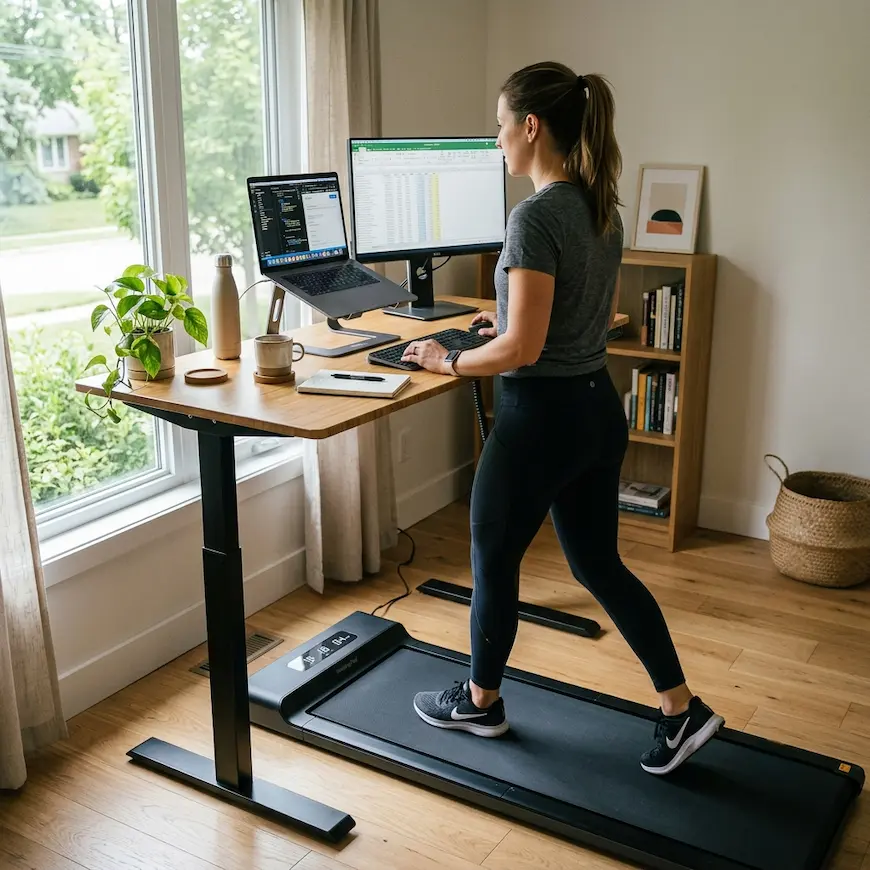
The 30–45 minute rule lines up with research on the risks of prolonged sitting. In the AusDiab cohort, each additional hour of daily television viewing, the most common sedentary behavior, was linked to higher all-cause and cardiovascular mortality (Dunstan et al., 2010). Short standing breaks also blunt glucose and insulin spikes, lower disc pressure, and restart the muscle activity that fades during long stretches of stillness. A cheap standing-desk converter, or even a timer, makes the habit automatic.
For how daily posture habits feed into sleep, we get into the link between back pain and sleeping position in our sleep deprivation article.
When to see a doctor instead of buying a cushion
Quick Answer: A seat cushion for long sitting deals with posture and pressure. It does not treat a diagnosed spinal condition, nerve damage, or serious hemorrhoids. See a doctor if you have pain shooting down one leg below the knee, weakness or numbness in a foot, bowel or bladder changes alongside back pain (a possible cauda equina emergency), or hemorrhoids that bleed heavily, don’t improve within 1–2 weeks, or come with a change in stool habits.
Red flags that need medical evaluation before you rely on a seat cushion for long sitting:
- Foot drop or leg weakness with back pain: possible L4-L5 nerve root compression that needs imaging.
- Saddle numbness (around the inner thighs or perineum) with back pain: possible cauda equina syndrome, which is an emergency.
- Back pain with fever: possible discitis or a spinal epidural abscess.
- Coccyx pain after a fall or delivery: get an X-ray or MRI to rule out a fracture before putting pressure on it, even with a cutout cushion.
- Bleeding hemorrhoids with a change in stool caliber or rectal bleeding: needs a colonoscopy referral to rule out colorectal disease.
Chronic sciatica, spinal stenosis, and advanced disc disease respond best to a mix of approaches: physical therapy, the right pain relief, and ergonomic tools like a seat cushion for long sitting as one piece of the plan rather than the whole plan.
Frequently Asked Questions
Can I use a seat cushion in a car?
Yes, all five above work in car seats. A memory foam coccyx model doubles as a good seat cushion for long sitting on the road, since car seats usually have little lumbar support and push you into the same backward pelvic tilt as an office chair. Look for a non-slip base that grips fabric upholstery. Wedge cushions help with lower back pain on long highway stretches. One note: a thick cushion can eat into headroom in cars with low rooflines, so test it before a long trip.
Do seat cushions help with tailbone pain?
Yes, as long as the cushion fully unloads the tailbone. A coccyx-style seat cushion for long sitting with a deep U-shaped cutout keeps all direct pressure off it while you sit. That works for chronic coccydynia, bruising after a fall, and the soreness that builds up from long sitting on hard surfaces. It won't treat an actual fracture, though, so get imaging if the pain started after a fall or hurts badly when you move, not just when you sit.
How do I know if my back pain is from sitting or something else?
Pain that builds through the day, eases when you stand or walk, and tracks with desk time is most likely postural strain from sitting. Pain that's worse in the morning, comes with stiffness lasting more than 30 minutes after you wake, or improves with movement rather than rest points more toward inflammatory conditions like ankylosing spondylitis and is worth getting checked. Pain that shoots down the leg below the knee, or comes with foot weakness or bladder and bowel changes, could be nerve compression and needs imaging no matter what your sitting habits are.
Are seat cushions worth it for occasional sitting?
If you sit less than three hours a day, the payoff is small. The problems a cushion targets, like backward pelvic tilt, lumbar flattening, and concentrated pressure under the sit bones, take sustained sitting to turn into pain. If you sit five or more hours a day, especially at a computer or in a car, a $30–$65 seat cushion for long sitting is an easy call: it costs less than one physiotherapy session and gives you passive support every day for years.
This article is for informational purposes only and does not constitute medical advice. Persistent back pain, sciatica, tailbone pain, or hemorrhoids may require evaluation by a physician or physical therapist. Do not rely on a seat cushion alone for conditions that may require imaging, medication, or physical therapy.

Mimo Karam is the founder and writer at LifestyleMine. She writes about daily habits, nutrition, sleep, and emotional wellness, turning research into practical advice for people who want to live healthier without making it complicated.