Somewhere in 2024 I started paying closer attention to what I was actually eating. Not counting calories, not following a protocol. Just noticing which foods kept showing up in my week and which didn’t. Six months in, I had a rough list of eight that I’d been eating regularly, and a clear sense that something had shifted. My energy held steadier through the day. I slept better. The 3pm crash I’d written off as normal just stopped happening.
I won’t pin all of that on eight foods. But these are the ones that kept surfacing when I went looking for why I felt different. None of it is trendy or expensive. Just foods your biology puts to work in specific, well-documented ways that most people never hear about.
Not because a wellness influencer ranked them, but because of what happens in your cells when you eat them regularly. These are the foods your body needs.
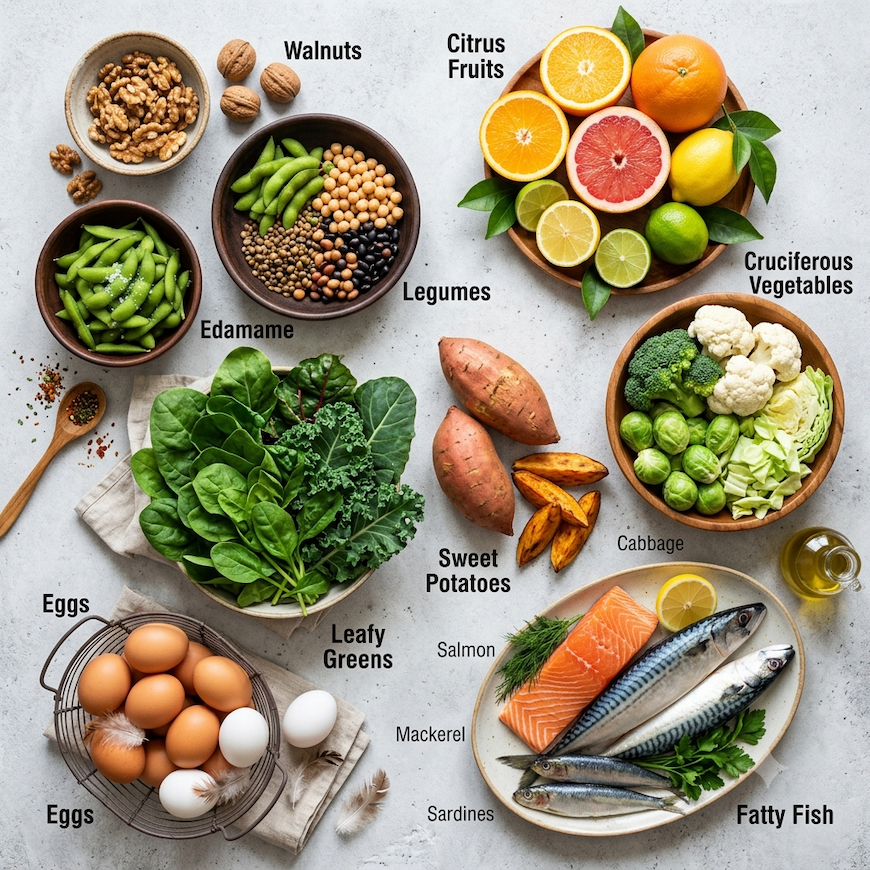
1. Fatty fish (salmon, mackerel, sardines)
If there’s one food your body needs that most Western diets fall short on, it’s the long-chain omega-3 fats EPA and DHA.
EPA (eicosapentaenoic acid) works mostly on inflammation. It competes with arachidonic acid in the body’s inflammatory pathways and tamps down the pro-inflammatory signaling molecules that come out of them. That matters, because chronic low-grade inflammation sits underneath heart disease, metabolic syndrome, neurodegenerative conditions, and mood disorders. It’s what puts oily fish near the top of any list of foods that reduce systemic inflammation.
DHA (docosahexaenoic acid) does something different. It’s structural. It builds itself into your cell membranes, especially in neurons. Your brain is roughly 60% fat by dry weight, and DHA makes up a big share of the fatty acids in gray matter. Get enough and you’re looking at better cognition, lower dementia risk, and steadier mood. That’s not some downstream side effect. It comes straight from membrane fluidity, which governs how cleanly neurons fire signals. That also lands fatty fish among the foods that support brain chemistry and mood.
The catch: your body can’t make EPA and DHA efficiently from ALA, the plant omega-3 in walnuts and flaxseed. Conversion tops out around 5 to 10%. For a reliable DHA status, marine sources are the way there. The NIH’s omega-3 fact sheet has the intake numbers.
How much: Two servings of fatty fish a week is the standard American Heart Association recommendation. A serving runs about 100 to 140g cooked.
Wild vs. farmed: Wild salmon carries a better omega-3 to omega-6 ratio. Farmed salmon can run high in omega-3 too, depending on what it’s fed, though it also tends to carry more contaminants. Norwegian farmed Atlantic salmon is usually one of the cleaner picks. Sardines and mackerel sit low on the food chain, so they’re low in mercury, high in omega-3, and cheap.
How to cook: High heat wrecks omega-3s. Poach, steam, or bake at 180°C instead of frying hot.
2. Eggs
Eggs have a messy past. For years they got restricted over their cholesterol content, until it became clear that dietary cholesterol moves blood cholesterol far less than saturated and trans fats do for most people. What’s left standing is that eggs are about as complete as the foods your body needs get.
Choline. This is the part people miss. Choline is the precursor to acetylcholine, the neurotransmitter behind muscle control, learning, memory, and attention. It also builds cell membranes and moves fat out of the liver, which is why a choline-short diet can let fat pile up there. Your liver makes a little, nowhere near enough. Plenty of people are mildly choline-deficient without realizing it, especially women who aren’t pregnant and so aren’t taking a prenatal with it.
One large egg gives you about 147mg of choline. Adequate intake is 425mg a day for women and 550mg for men, so two eggs cover more than half of that.
Complete amino acid profile. Eggs have all nine essential amino acids in ratios your body actually uses. Egg protein scores a 1.0 on the PDCAAS scale (protein digestibility-corrected amino acid score), which is the ceiling. You can’t get a more complete protein than that.
Biotin. This B vitamin runs fatty acid metabolism, glucose use, and keratin production for your skin, hair, and nails. One yolk has roughly 10mcg. One caveat: raw egg whites contain avidin, which binds biotin and blocks its absorption. Cooking knocks the avidin out, so the odd raw egg won’t hurt you, but a steady habit of raw whites could. Cook them. That keratin angle is also why eggs land on most lists of foods that support skin, hair, and nails.
3. Sweet potatoes
Out of all the foods your body needs, you want at least one carbohydrate source that genuinely earns its place. Sweet potatoes are that one.
Beta-carotene is the headline here. One medium sweet potato (around 130g) covers more than 100% of your daily vitamin A through beta-carotene. Vitamin A runs your vision (low-light vision in particular), your immune system, skin cell turnover, and the upkeep of epithelial tissue all over the body.
Two things are worth knowing about how you absorb it.
It needs fat. Beta-carotene is fat-soluble. Eat sweet potato with no fat at all and you barely absorb it. Add a little olive oil or butter, really any fat, and absorption jumps, up to fourfold in some studies depending on whether fat is there.
Cooking helps. Vitamin C breaks down with heat, but beta-carotene goes the other way. Cooking breaks down the cell walls and frees up more of it for absorption.
4. Leafy greens (spinach, kale, chard, collard greens)
Leafy greens make every list of the foods your body needs, but nobody ever explains why in full.
Folate. Dark leafy greens are one of the best food sources of folate, or vitamin B9. Your body needs it to build and repair DNA, make red blood cells, and produce neurotransmitters. It’s famous for pregnancy, where it prevents neural tube defects, but it keeps mattering long after that as part of the methylation cycle, the biochemistry tied to gene expression, mood, and detoxification. Run short on folate and your homocysteine climbs, which is its own independent risk factor for heart disease.
Magnesium. A real chunk of the population runs low on magnesium, mostly the people who hardly eat greens. It’s a cofactor in more than 300 enzyme reactions, ATP production and protein synthesis and nerve function among them. Low levels track with anxiety, lousy sleep, muscle cramps, and metabolic trouble, which is exactly what magnesium deficiency from low leafy green intake looks like in practice.
Non-heme iron. Greens have iron, but the non-heme kind, which your body absorbs less readily than the heme iron in meat. Pair them with some vitamin C (lemon juice, bell pepper, tomato) and absorption climbs, because vitamin C converts ferric iron into the ferrous form your gut takes up more easily.
A spinach-specific note: raw spinach is loaded with oxalates, which bind calcium and iron and drag down how much you absorb. Wilt it lightly (don’t boil it to death) and the oxalate content drops, which frees up those minerals. Raw spinach in a salad now and then is fine. If it’s your daily green, cook it a little.
5. Cruciferous vegetables (broccoli, cauliflower, Brussels sprouts, cabbage)
These might be the most pharmacologically busy of all the foods your body needs. The active compound is sulforaphane, and the way it gets made is the part most people don’t know.
Sulforaphane isn’t sitting in the raw vegetable waiting for you. The precursor, glucoraphanin, and the enzyme that activates it, myrosinase, sit in separate compartments inside the plant cells. Chop, chew, or crush the vegetable and the two finally meet and react to form sulforaphane. So prep matters.
Heat kills myrosinase. Cook broccoli before that reaction has happened, by steaming or boiling it right after you cut it, and you’ve denatured the enzyme before any sulforaphane could form. You end up with a lot less of it in the cooked vegetable.
The fix: Cut your cruciferous veg and just let it sit for 30 to 40 minutes before it goes anywhere near heat. The reaction runs and the sulforaphane stabilizes in that window. Then cook it gently. Or skip the wait and eat some raw, since chewing does the same mechanical job on the enzyme.
6. Citrus fruits (oranges, grapefruit, lemons, limes)
Citrus turns up on every roundup of the foods your body needs, and the reason given is almost always just “vitamin C,” which sells it short.
Vitamin C and iron. Like I mentioned up in the greens section, vitamin C pushes non-heme iron absorption way up. If you lean on plant sources for iron, eating citrus with or right after them makes a measurable difference to your iron status.
Collagen. Vitamin C is a required cofactor for the enzymes that lock collagen’s triple helix into shape. Without enough, your body still makes collagen, just a weak, unstable version, and it shows in your skin, wound healing, joint cartilage, blood vessel walls, and gums. Since vitamin C is water-soluble and gone within hours, you can’t bank it. You need some daily.
Bioflavonoids. Citrus carries hundreds of flavonoids, things like hesperidin, naringenin, and quercetin, that never make it onto the basic nutrition label but do real work on cardiovascular health, inflammation, and blood vessel function. The full phenolic makeup of a whole orange is a lot more interesting than its vitamin C number alone.
On juice: Commercial orange juice loses most of those bioflavonoids (they live in the pulp and membranes, not the liquid), spikes blood sugar higher with the fiber gone, and often gets pasteurized hot enough to degrade some vitamin C. The whole fruit gives you more of what’s worth having.
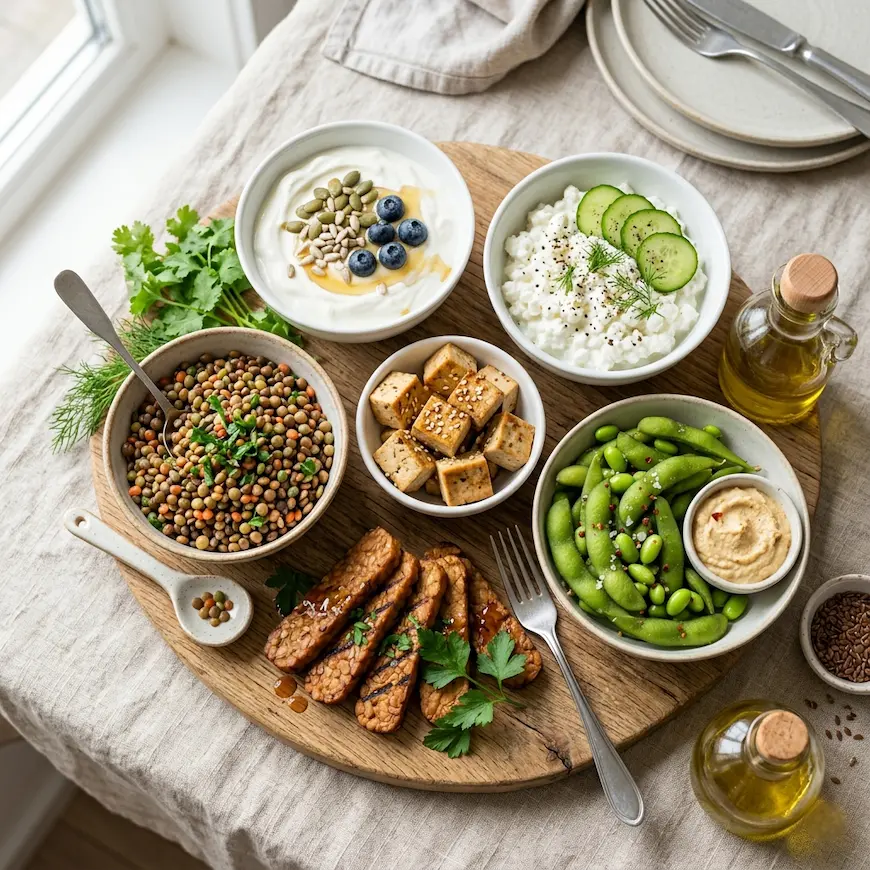
7. Edamame and legumes
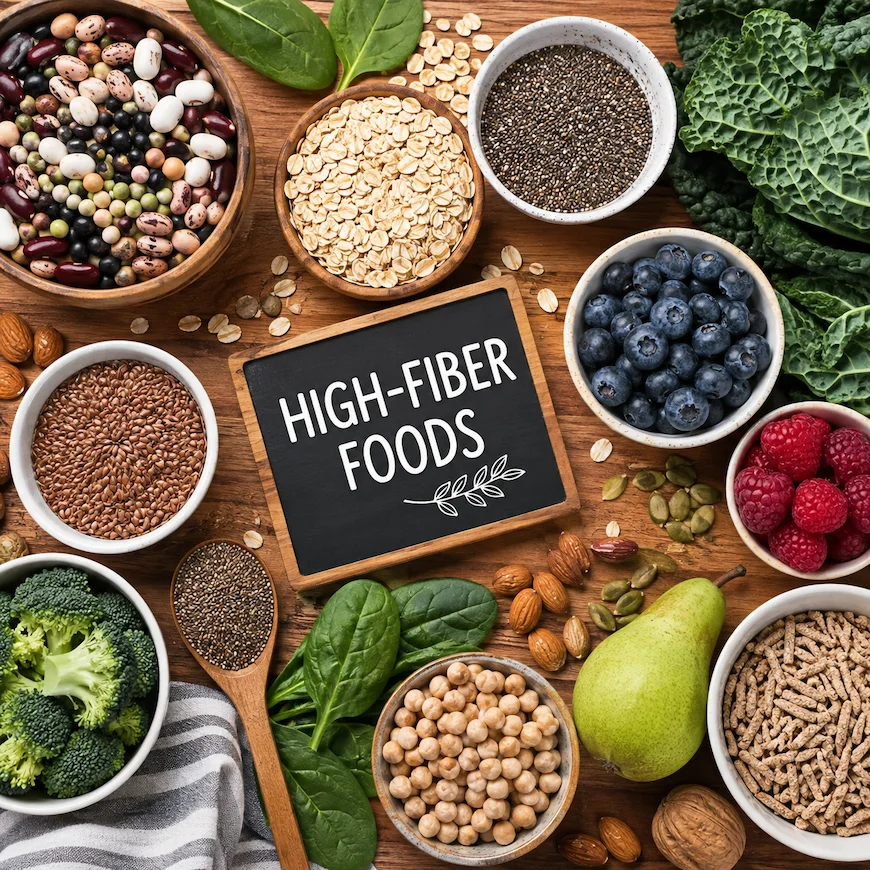
Edamame (whole soybeans) and legumes in general, things like lentils, chickpeas, black beans, and kidney beans, are some of the most complete plant foods your body needs.
Resistant starch. Legumes are the best food source of resistant starch, the kind that slips past the small intestine and ferments in the large one instead. There your gut bacteria turn it into short-chain fatty acids, mostly butyrate. Butyrate fuels the cells lining your colon, keeps the intestinal barrier intact, and its anti-inflammatory effects reach well beyond the gut, which is a big part of gut health and microbiome diversity.
Protein and fiber at once. Legumes are one of the rare foods that bring real protein (15 to 18g a cooked cup) and real fiber (12 to 15g a cooked cup) in the same bite. That combination keeps you full, smooths out your blood sugar, and feeds your microbiome all at the same time.
A note on edamame. It contains isoflavones, the plant estrogens people have studied for years around cancer risk, breast cancer especially. Where the major cancer research bodies have landed is that moderate whole-food soy, on the order of two to three servings a day, is safe and might even be mildly protective, particularly for people who’ve eaten it their whole lives. The hormone-disruption worry is really about concentrated isoflavone supplements, not a bowl of edamame.
8. Walnuts
Most nuts give you fat, protein, and minerals and leave it there. Walnuts stand apart from the other foods your body needs for two reasons most articles skip.
ALA omega-3. Walnuts are the one nut with a meaningful amount of ALA, the plant-based omega-3 precursor. Conversion to EPA and DHA is limited, as I said, around 5 to 10%. But ALA does its own anti-inflammatory work regardless, and for people who don’t eat fish it’s an easy way in.
Ellagic acid. Gut bacteria break the ellagitannins in walnuts down into urolithins, compounds research has tied to mitophagy, the clearing of damaged mitochondria from your cells. That feeds into cellular aging, muscle function, and metabolic health. Whether you can run the conversion at all depends on which bacteria you carry, one more reason a diverse microbiome pays you back in what you get out of your food.
Melatonin. Walnuts hold trace amounts of dietary melatonin, a detail that lives in agricultural science papers and almost never in nutrition writing. It’s a small amount, not enough to rearrange your sleep on its own, but it’s probably part of why higher walnut intake tracks with better sleep quality in some studies.
A handful is about 28g, roughly 7 whole walnuts. That’s enough to get the upside without a big calorie hit.
The complement principle: foods that work better together
Some of the foods your body needs simply work better paired up than eaten solo. Worth keeping in mind when you plan meals:
- Sweet potato + olive oil or butter. The fat unlocks the beta-carotene, as covered above.
- Greens + citrus. Vitamin C drives non-heme iron absorption way up.
- Cruciferous veg + mustard. Mustard seed has its own myrosinase, so stirring some into cooked broccoli brings back part of the sulforaphane reaction the heat killed.
- Salmon + greens. Omega-3 brings inflammation down while folate supports methylation, and together they do more for your brain than either does alone.
- Eggs + cruciferous veg. The choline in eggs backs up the same liver detox work that cruciferous vegetables switch on through Nrf2.
None of this needs fancy cooking. They’re patterns, not recipes. The whole idea: keep these foods your body needs showing up on your plate regularly, in different combinations, and you’re quietly covering nutritional ground most people miss completely.
The Bottom Line
These eight foods your body needs, fatty fish, eggs, sweet potatoes, leafy greens, cruciferous vegetables, citrus, legumes, and walnuts, aren’t a diet. They’re a foundation. Each one hands your body something specific and well-documented that processed food just doesn’t.
The sulforaphane in broccoli only forms if you prep it right. The beta-carotene in sweet potato only absorbs with some fat in the meal. The iron in your greens only goes in efficiently with vitamin C alongside it. The details aren’t busywork. They’re the part that, once you understand the why, makes the habit actually stick.

Mimo Karam is the founder and writer at LifestyleMine. She writes about daily habits, nutrition, sleep, and emotional wellness, turning research into practical advice for people who want to live healthier without making it complicated.